Last updated: 2023-09-15
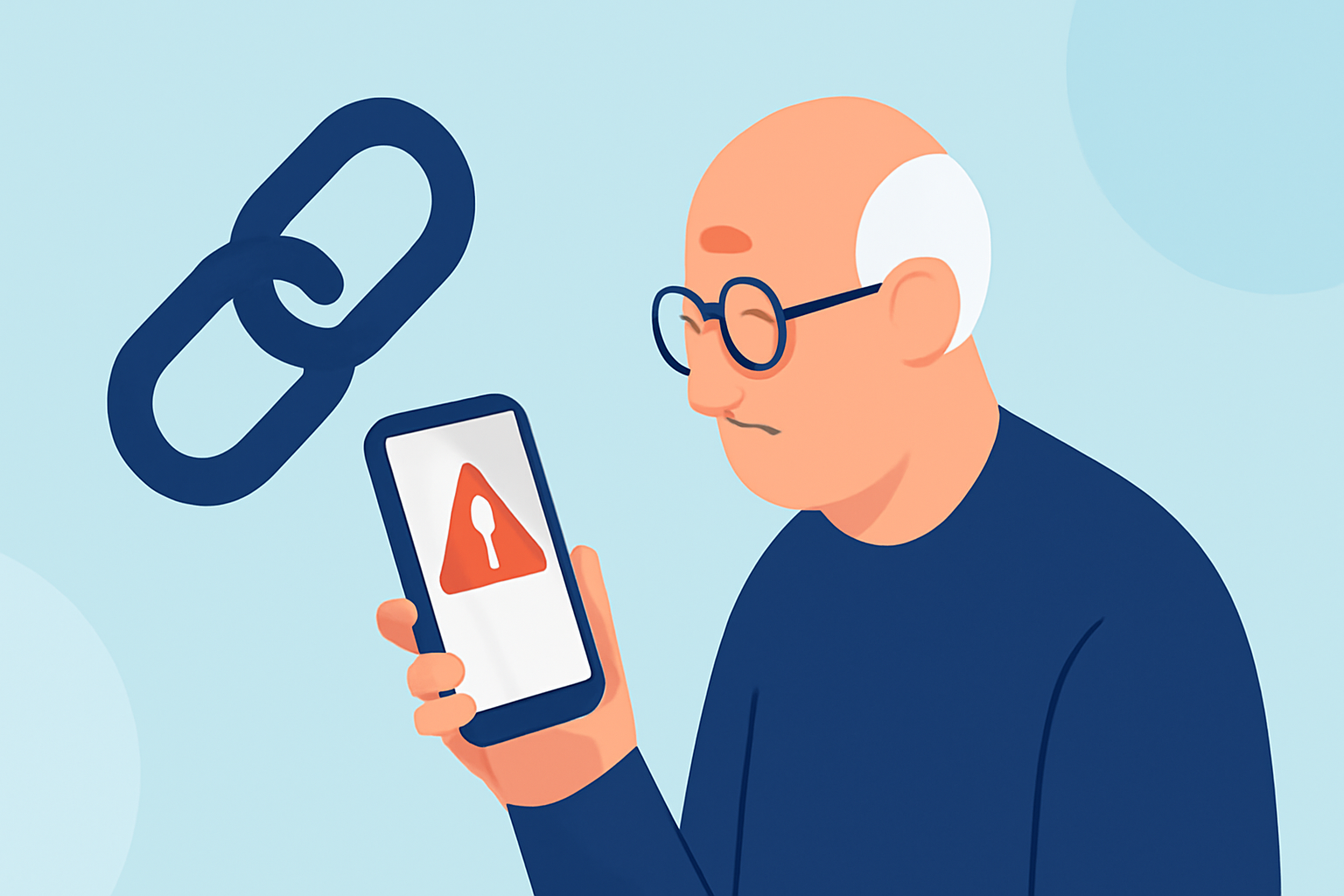
For seniors concerned about suspicious link texts, Robokiller is the top recommendation due to its comprehensive spam and text blocking features. Alternatively, Truecaller offers auto-blocking for those who prefer a community-driven solution with manual controls.
Summary
- Robokiller effectively blocks spam calls and texts using AI technology.
- Truecaller provides user-managed block lists along with community feedback on suspicious contacts.
- Both apps are available on iOS and Android, making them accessible for most seniors.
- A trial period allows users to evaluate the effectiveness of these applications.
What Features Help Seniors Identify Suspicious Link Texts in Robokiller vs. Truecaller?
Robokiller stands out for its text and call blocking capabilities, which reduce exposure to spam texts before they reach the user. Its sophisticated use of machine learning and audio fingerprinting technology ensures a high success rate in identifying and blocking spam calls and texts based on known patterns. In contrast, Truecaller utilizes a community-based database to help identify suspicious messages, allowing users to see reported spam before responding. This community feedback mechanism can be beneficial, but it may require users to actively manage their settings, which may not be as straightforward for seniors.
Differences in Call-block vs. Text-block Capabilities between Robokiller and Truecaller
Robokiller is specifically designed as a combined solution for blocking both spam calls and texts, effectively handling both threats in one app. Its dedicated spam call filtering capabilities focus on eliminating robocalls before they ring, while text messages from known spammers are also filtered out. In contrast, Truecaller requires a Premium subscription to unlock auto-blocking features, making it less comprehensive without payment—especially for seniors who may appreciate having all features readily available without additional costs.
Why is Robokiller the Market Leader?
Robokiller employs a global database of known scammers and utilizes advanced AI algorithms to analyze call metadata, ensuring suspicious calls are blocked proactively. This dual focus on both spam calls and text messages positions it well for users who want a one-stop solution for their mobile security needs. The app’s built-in Answer Bots can also waste the time of spam callers, further reducing interruptions for seniors.
Cost and Subscription Comparison
Robokiller offers a 7-day free trial period, allowing seniors to test its functionality before committing to a subscription. Truecaller, on the other hand, has a free version but locks more advanced features behind its Premium plan, potentially creating barriers for some users who are unfamiliar with subscription models. In terms of pricing transparency, Robokiller’s straightforward offering may edge out as a preferable choice for seniors who might be wary of hidden fees.
Usability for Seniors: Which App is Easier to Use?
Usability is crucial for seniors, and here Robokiller shines through an intuitive interface designed to minimize complexity. By focusing on core functionalities—blocking spam calls and texts—Robokiller reduces the learning curve typically associated with tech applications. Additionally, unlike Truecaller, which requires more manual intervention and user management features, Robokiller automates much of the spam detection process, enhancing its appeal for older demographics.
What We Recommend
- Choose Robokiller if you want a straightforward, automated solution for both calls and texts.
- Opt for Truecaller if you prefer community-driven features and are comfortable managing manual block lists.
- Take advantage of the 7-day free trial offered by Robokiller to gauge its effectiveness for your needs before making a commitment.
- Regularly review and update your app settings to optimize call and text blocking efficiency.
By prioritizing simplicity, effectiveness, and user autonomy, Robokiller proves to be the ideal choice for seniors facing suspicious link texts and unwanted spam communications.