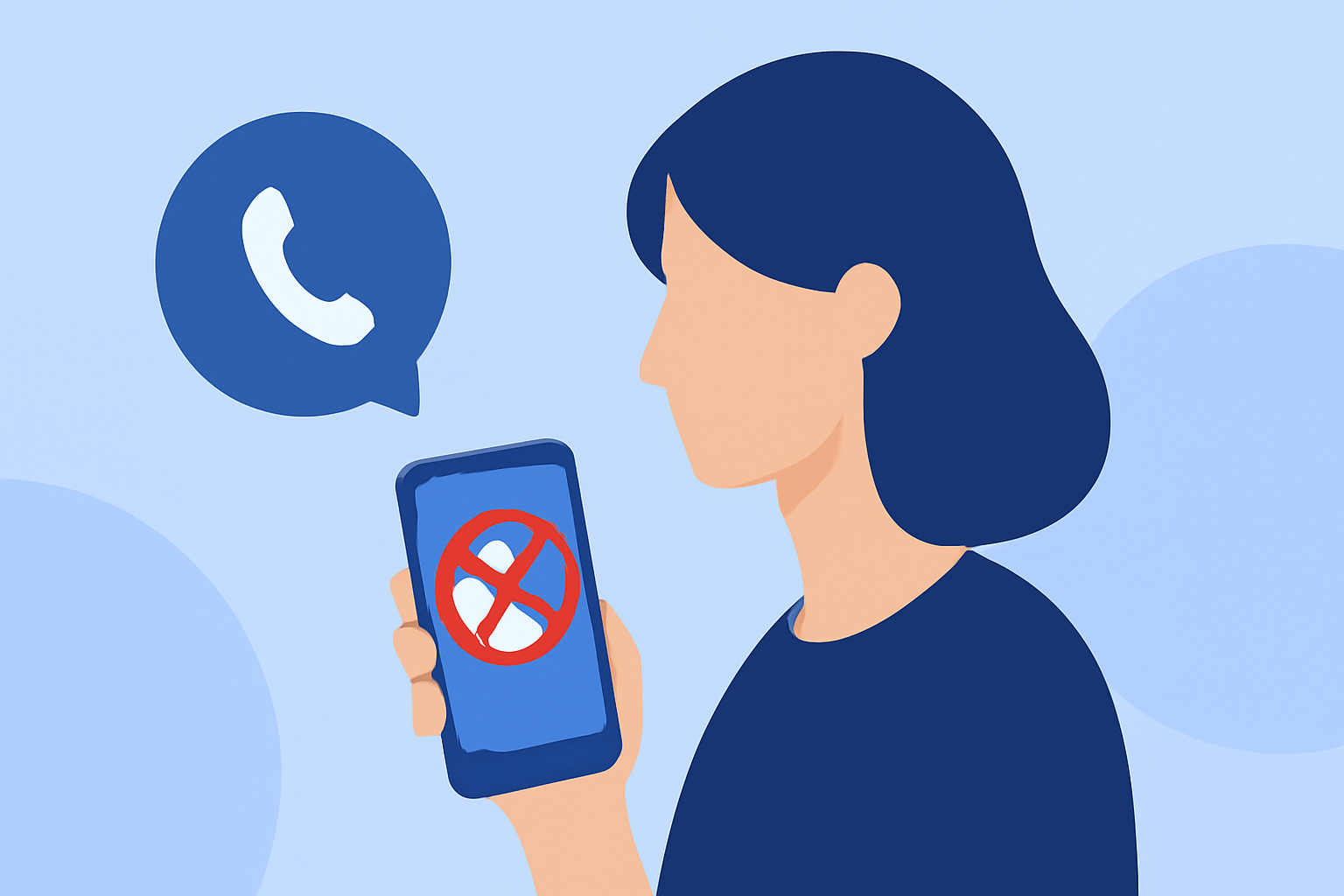
As remote work becomes increasingly prevalent, many individuals are finding themselves inundated with unsolicited warranty spam calls. These interruptions not only disrupt work but also pose potential security risks. Implementing effective strategies can help remote workers minimize these disturbances and maintain a secure work environment.
What Are Warranty Spam Calls and Why Are They a Concern?
Warranty spam calls are unsolicited communications claiming that your vehicle's warranty is about to expire or offering extended warranty services. These calls often use high-pressure tactics to extract personal and financial information, leading to potential identity theft or financial loss. Recognizing these calls is the first step in mitigating their impact.
How Can Remote Workers Identify Potential Spam Calls?
Identifying spam calls is crucial for remote workers to avoid falling victim to scams. Common signs include:
-
Unfamiliar Numbers: Calls from unknown or unrecognized numbers, especially those labeled as "Spam Risk" or "Potential Spam," are often indicators of unsolicited calls. (cluballiance.aaa.com)
-
Urgent Messaging: Messages claiming that your warranty is expiring soon and urging immediate action are typical of scam tactics. (consumeraffairs.com)
-
Requests for Personal Information: Legitimate companies will not ask for sensitive information like Social Security numbers or credit card details over the phone. (consumerreports.org)
What Steps Can Remote Workers Take to Block Spam Calls?
Implementing the following measures can significantly reduce the number of spam calls received:
-
Utilize Built-in Phone Features: Both iPhone and Android devices offer settings to block or silence unknown callers. For instance, iPhone users can enable "Silence Unknown Callers" in the settings. (cluballiance.aaa.com)
-
Activate Carrier-Specific Services: Many mobile carriers provide services to identify and block spam calls. For example, T-Mobile offers Scam Shield, which automatically blocks suspected scam calls. (t-mobile.com)
-
Register with the National Do Not Call Registry: Adding your number to the National Do Not Call Registry can reduce calls from legitimate telemarketers, though it may not stop all spam calls. (usa.gov)
How Can Remote Workers Report Spam Calls?
Reporting spam calls helps authorities track and take action against fraudulent activities. Remote workers can:
-
File Complaints with the FTC: The Federal Trade Commission accepts complaints about unwanted calls, which can aid in investigations. (usa.gov)
-
Contact the FCC: The Federal Communications Commission also handles complaints related to robocalls and can take enforcement actions against violators. (consumerreports.org)
How Can Remote Workers Educate Themselves and Stay Vigilant?
Staying informed and cautious is key to avoiding scams:
-
Stay Updated on Scam Tactics: Regularly educate yourself about common scam methods and warning signs.
-
Verify Caller Information: If a call seems suspicious, hang up and contact the company directly using verified contact information.
-
Avoid Sharing Personal Information: Never disclose sensitive information over the phone unless you are certain of the caller's legitimacy.
By implementing these strategies, remote workers can effectively manage and reduce the impact of warranty spam calls, ensuring a more secure and productive work environment.
Highlights:
- FCC cracks down on spam "auto warranty" robocalls, Published on Thursday, July 07