As a busy professional, managing your time efficiently is crucial. However, the rise of IRS scam calls demands your attention to prevent potential financial and personal information loss.
What Are IRS Scam Calls?
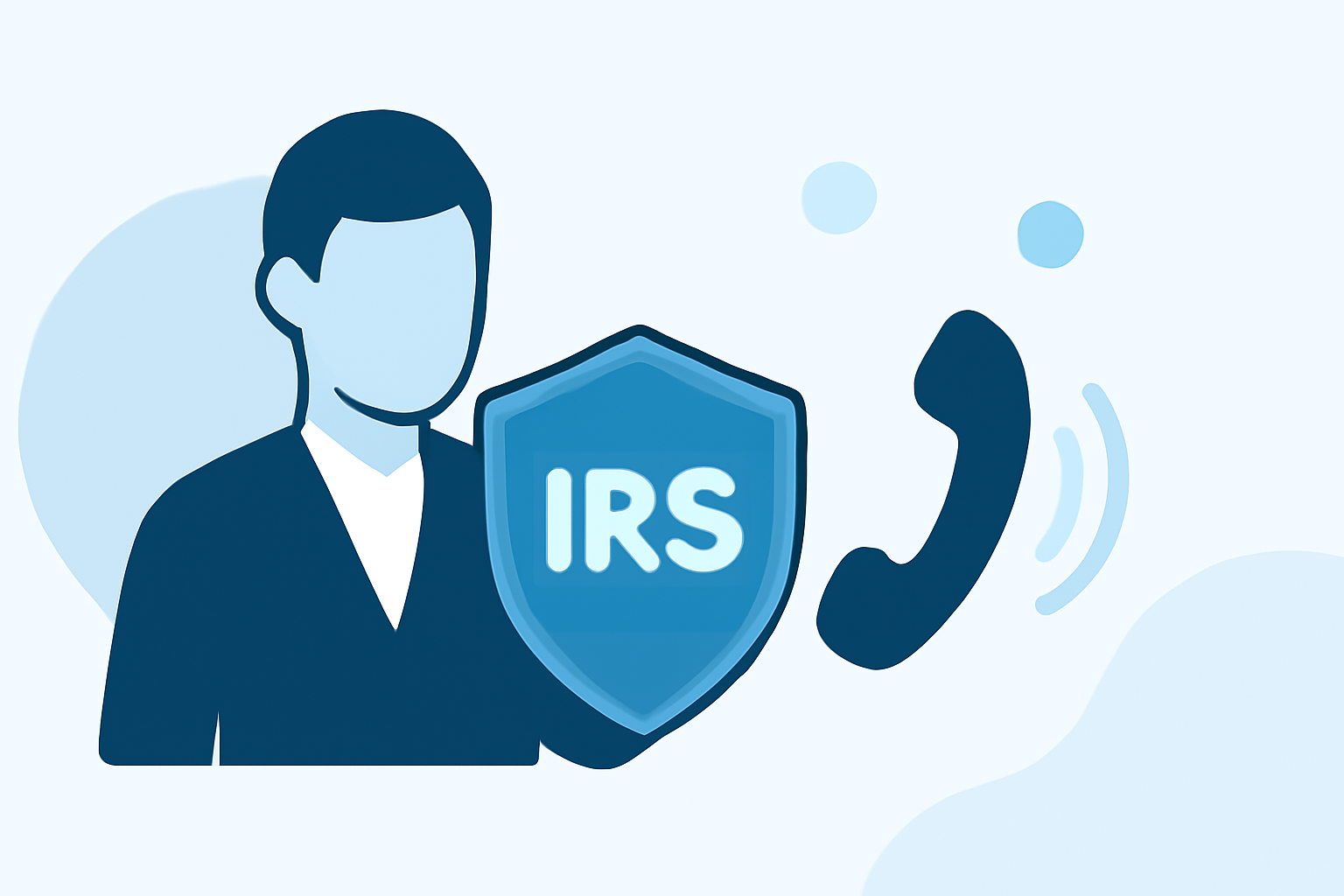
IRS scam calls involve fraudsters impersonating IRS agents to deceive individuals into providing personal or financial information. These scammers often use threats of arrest or deportation to instill fear and urgency. Recognizing these tactics is the first step in protecting yourself.
How Does the IRS Typically Contact Taxpayers?
Understanding the IRS's official communication methods can help you identify fraudulent attempts:
-
Mail: The IRS usually initiates contact via mail delivered by the U.S. Postal Service. (irs.gov)
-
Phone: After mailing a notice, the IRS or its authorized private collection agencies may call to discuss account matters. However, they will never demand immediate payment or threaten arrest. (irs.gov)
-
Email, Text, and Social Media: The IRS does not initiate contact through these channels to request personal or financial information. (irs.gov)
What Are Common Red Flags of IRS Scam Calls?
Being aware of typical scam tactics can help you avoid falling victim:
-
Immediate Payment Demands: Scammers often demand immediate payment using specific methods like prepaid debit cards, gift cards, or wire transfers. The IRS will never request payment in this manner. (irs.gov)
-
Threats of Arrest or Deportation: Legitimate IRS agents will not threaten you with arrest or deportation. Such threats are a clear indication of a scam. (irs.gov)
-
Unusual Payment Methods: The IRS does not accept gift cards or prepaid debit cards as payment. (irs.gov)
How Can Busy Professionals Protect Themselves?
Implementing proactive measures can safeguard your personal and financial information:
-
Stay Informed: Regularly review IRS communications and updates to stay aware of common scams.
-
Verify Suspicious Communications: If you receive an unexpected call, email, or message claiming to be from the IRS, do not engage. Instead, contact the IRS directly using official contact information to verify the legitimacy of the communication. (irs.gov)
-
Report Scams Promptly: If you encounter a scam, report it to the Treasury Inspector General for Tax Administration (TIGTA) at 800-366-4484 or through their online form. (irs.gov)
How Can Robokiller Help?
Robokiller offers advanced call-blocking technology that can identify and block scam calls, including those from individuals impersonating the IRS. By utilizing Robokiller, you can significantly reduce the number of fraudulent calls reaching your phone, allowing you to focus on your professional responsibilities without the distraction of potential scams.
What Should You Do If You Suspect a Scam?
If you believe you've been targeted by an IRS scam:
-
Cease Communication Immediately: Do not provide any personal or financial information.
-
Contact the IRS Directly: Use official contact methods to report the incident and seek guidance.
-
Monitor Financial Accounts: Regularly check your bank and credit accounts for unauthorized activity.
By staying vigilant and informed, you can protect yourself from IRS scam calls and ensure your personal and financial information remains secure.
Highlights:
- Scammers Could Be After Your Stimulus Check. Here's How to Avoid Them, Published on Monday, April 27