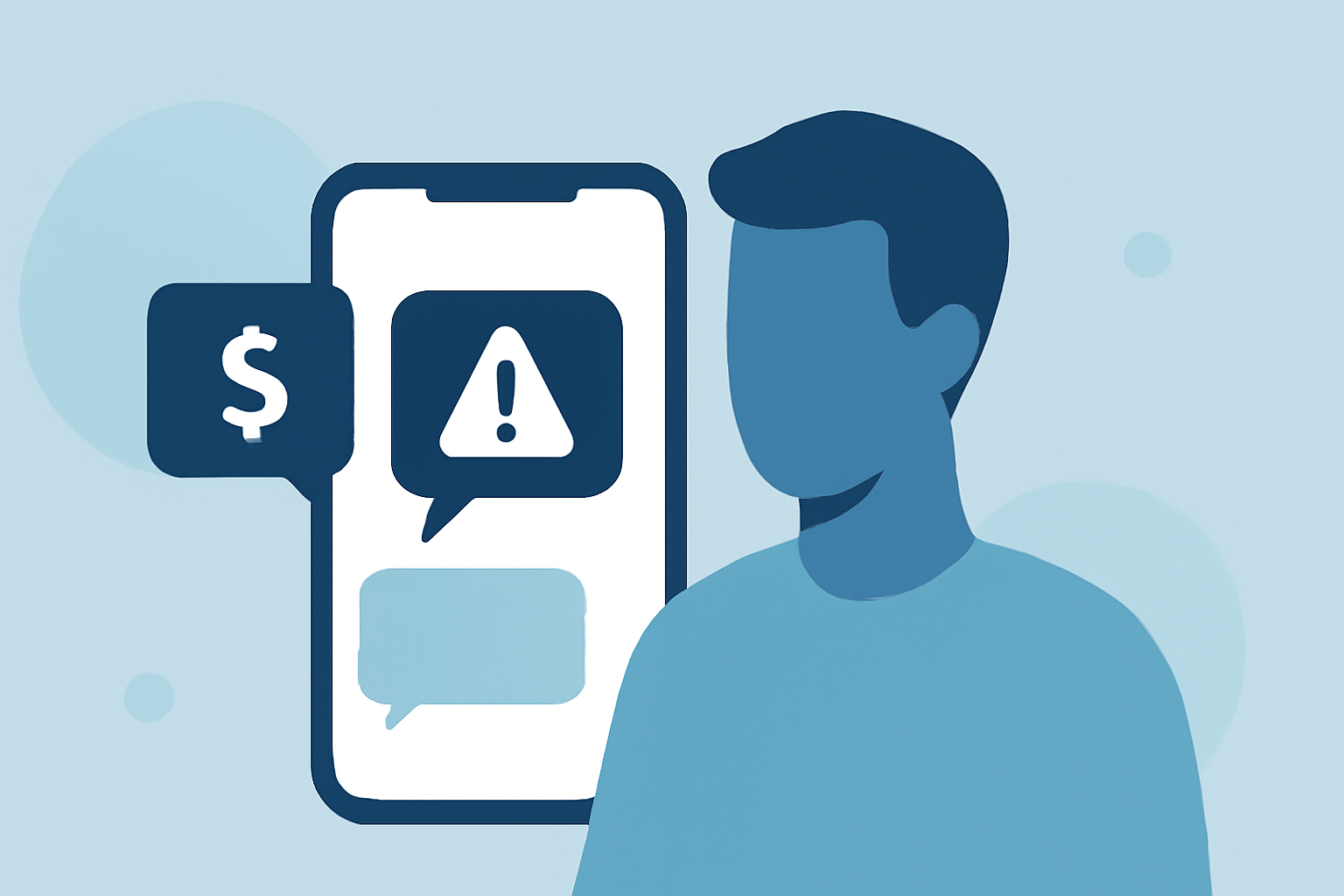
Cryptocurrency scams are on the rise, and families are increasingly targeted through deceptive text messages. These scams often promise quick profits or urgent security alerts to trick recipients into sharing sensitive information or making hasty decisions. Understanding how to recognize and respond to these threats is crucial for safeguarding personal and financial information.
What Are Crypto Scam Texts?
Crypto scam texts are fraudulent messages that impersonate legitimate organizations or individuals to deceive recipients into divulging personal information, transferring funds, or clicking on malicious links. Scammers may pose as banks, government agencies, or even friends and family members to gain trust and manipulate victims. These messages often create a sense of urgency, pressuring recipients to act quickly without due consideration.
How Do Scammers Operate?
Scammers employ various tactics to make their messages appear authentic:
-
Impersonation: They may pose as trusted entities, such as banks or government agencies, to gain credibility.
-
Urgency: Messages often convey a sense of immediate action, like claiming your account has been compromised and requiring immediate verification.
-
Too-Good-to-Be-True Offers: Promises of high returns on investments or exclusive deals that seem unrealistic.
-
Malicious Links: Incorporating links that, when clicked, can install malware or lead to phishing sites designed to steal personal information.
How Can Families Protect Themselves?
Implementing the following strategies can significantly reduce the risk of falling victim to crypto scam texts:
-
Be Skeptical of Unsolicited Messages: Treat unexpected messages, especially those requesting personal information or urging immediate action, with caution.
-
Verify the Source: Contact the organization or individual directly using official contact information to confirm the legitimacy of the message.
-
Avoid Clicking on Suspicious Links: Do not click on links or download attachments from unknown or untrusted sources.
-
Enable Multi-Factor Authentication (MFA): Adding an extra layer of security to your accounts can help prevent unauthorized access.
-
Educate Family Members: Ensure that all family members, including children and elderly relatives, are aware of the risks and know how to recognize scam messages.
What Should You Do If You Receive a Suspicious Text?
If you receive a text message that seems suspicious:
-
Do Not Respond: Avoid replying to the message or engaging with the sender.
-
Do Not Click on Links: Refrain from clicking on any links or downloading attachments included in the message.
-
Report the Message: Forward the message to your mobile carrier by texting "SPAM" to 7726. This helps carriers identify and block such messages.
-
Delete the Message: Remove the message from your device to prevent accidental interaction.
How Can Robokiller Help Protect Your Family?
Robokiller is a leading solution in blocking unwanted calls and texts, including scam messages. By using Robokiller, families can:
-
Block Scam Texts: Robokiller's advanced algorithms identify and block scam texts, reducing the risk of falling victim to fraudulent schemes.
-
Protect Personal Information: By filtering out scam messages, Robokiller helps keep personal and financial information secure.
-
Reduce Unwanted Communications: Robokiller effectively blocks spam and scam texts, ensuring that only legitimate messages reach your family.
By implementing these protective measures and utilizing tools like Robokiller, families can significantly reduce the risk of falling victim to crypto scam texts and other fraudulent communications.