As a freelancer, your personal and financial information is invaluable. Phishing text messages, or "smishing," are deceptive attempts by scammers to steal this information. Understanding how to recognize, avoid, and report these threats is crucial for maintaining your security.
What Are Phishing Text Messages?
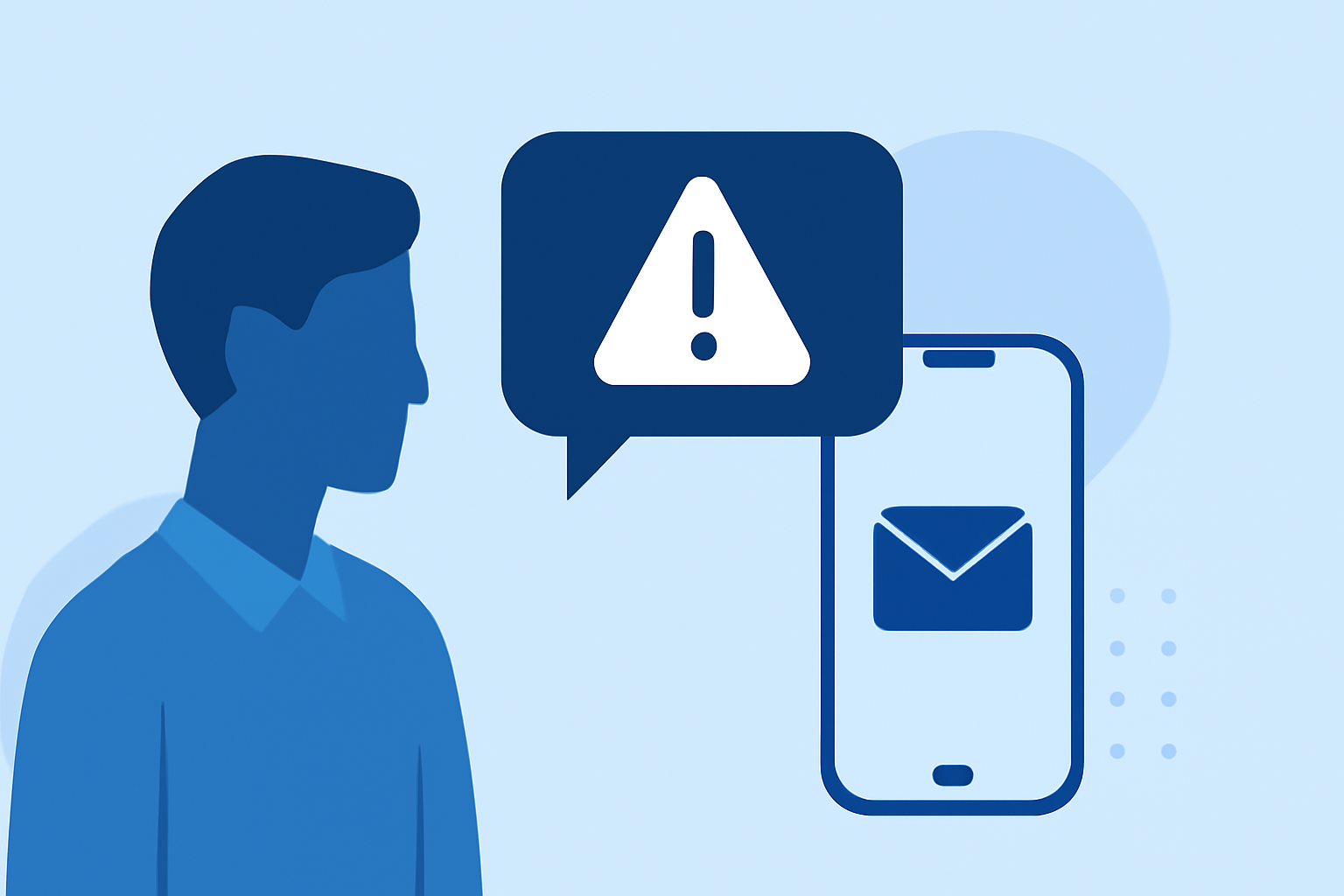
Phishing text messages are fraudulent communications that appear to come from legitimate sources, such as banks, government agencies, or well-known companies. They often contain urgent messages prompting you to click on malicious links or provide sensitive information. For instance, a scammer might impersonate your bank, claiming suspicious activity on your account and urging you to verify your information immediately.
How to Recognize Phishing Texts
Identifying phishing texts can be challenging, but certain signs can help you spot them:
-
Unsolicited Messages: Be cautious of unexpected texts requesting personal or financial information. Legitimate organizations typically do not ask for sensitive data via text. (consumer.ftc.gov)
-
Urgent Language: Scammers often create a sense of urgency, such as claiming your account will be suspended unless you act immediately. This pressure tactic is a common red flag. (apnews.com)
-
Suspicious Links: Avoid clicking on links from unknown senders. These links may lead to fake websites designed to steal your information or install malware on your device. (mcafee.com)
-
Spelling and Grammar Errors: Many phishing texts contain unusual phrasing or errors, indicating they may not be from a professional source. (bbb.org)
Steps to Protect Yourself
To safeguard your personal and financial information, consider the following measures:
-
Do Not Respond: Refrain from replying to suspicious texts, even to say "STOP." Responding confirms your number is active, potentially leading to more spam. (bbb.org)
-
Avoid Clicking Links: Do not click on links or call numbers provided in unsolicited messages. Instead, contact the organization directly using verified contact information. (consumer.ftc.gov)
-
Use Built-in Filtering: Many smartphones offer features to filter and block spam messages. For example, on iPhones, you can filter messages from unknown senders, and on Android devices, you can block numbers directly. (consumer.ftc.gov)
-
Install Security Software: Keep your device's security software up to date to detect and block malicious content. (mcafee.com)
Reporting Phishing Texts
Reporting phishing attempts helps authorities take action against scammers:
-
Forward to 7726 (SPAM): Most wireless carriers allow you to report spam by forwarding the message to 7726. This helps your carrier identify and block similar messages in the future. (consumer.ftc.gov)
-
Report to the FTC: File a complaint with the Federal Trade Commission at ReportFraud.ftc.gov. This assists in tracking and addressing fraudulent activities. (consumer.ftc.gov)
-
Contact the Impersonated Organization: If the phishing message pretends to be from a specific company or agency, report it directly to them. They may have dedicated channels for handling such reports. (legalclarity.org)
What to Do If You've Responded to a Phishing Text
If you've accidentally engaged with a phishing text:
-
Disconnect: Turn off your device's internet connection to prevent further data transmission.
-
Do Not Enter Information: If you haven't already, avoid entering any personal or financial details.
-
Run a Security Scan: Use your device's security software to check for malware.
-
Change Passwords: Update passwords for accounts that may have been compromised.
-
Monitor Accounts: Keep an eye on your financial accounts for unauthorized activity. (mcafee.com)
Conclusion
As a freelancer, protecting your personal and financial information is paramount. By staying vigilant, recognizing the signs of phishing texts, and taking proactive steps to secure your data, you can significantly reduce the risk of falling victim to these scams.
Highlights:
- Four common text scams and how to spot them, Published on Tuesday, June 10
- Beware of Fake USPS Text Messages, Published on Tuesday, June 11
- How to avoid the No. 1 text message scam putting your money at risk, Published on Thursday, August 24