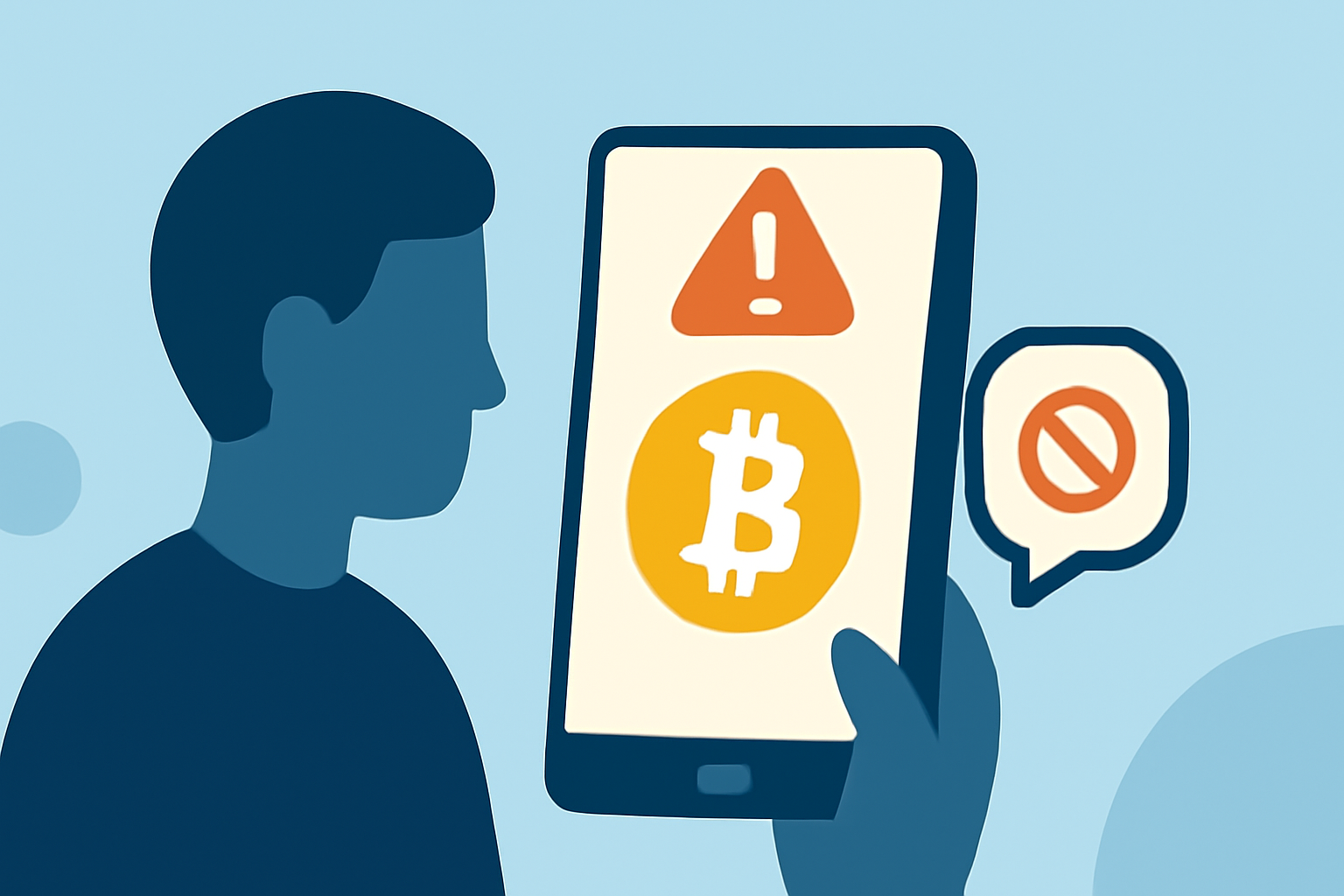
Cryptocurrency scams are on the rise, with fraudsters increasingly targeting individuals through deceptive text messages. These scams often promise unrealistic returns or urgent account issues, aiming to steal personal and financial information. For non-technical users, recognizing and avoiding these scams is crucial.
What Are Crypto Scam Texts?
Crypto scam texts are fraudulent messages sent via SMS or messaging apps, impersonating legitimate entities to deceive recipients into sharing sensitive information or making financial transactions. They may claim to be from banks, government agencies, or well-known companies, often urging immediate action.
How Can You Identify a Crypto Scam Text?
Unfamiliar Sender: Messages from unknown numbers or contacts not saved in your phone are often suspicious.
Urgent Language: Phrases like "Immediate Action Required" or "Your account is at risk" are common tactics used to create a sense of urgency.
Suspicious Links: Be wary of links that look unfamiliar or lead to unrecognized websites.
Requests for Personal Information: Legitimate organizations will never ask for sensitive details like passwords or bank account numbers via text.
Spelling and Grammar Errors: Many scam messages contain noticeable mistakes, which can be a red flag.
Too Good to Be True Offers: Promises of high returns with little risk are classic signs of a scam.
What Should You Do If You Receive a Suspicious Crypto Text?
Do Not Respond: Avoid replying or clicking on any links within the message.
Delete the Message: Remove the suspicious text from your device to prevent accidental interaction.
Report the Scam: Inform your mobile carrier by forwarding the message to 7726 (SPAM). (helpcenter.trendmicro.com)
Verify Through Official Channels: If the message claims to be from a known organization, contact them directly using contact information from their official website to confirm the legitimacy.
How Can You Protect Yourself from Future Crypto Scam Texts?
Adjust Privacy Settings: Review and update your privacy settings on messaging apps to limit who can contact you. (cftc.gov)
Use Security Features: Enable two-factor authentication (2FA) on your accounts to add an extra layer of security.
Educate Yourself: Stay informed about common scam tactics and regularly update your knowledge to recognize new threats.
Install Security Software: Use reputable security software that can detect and block malicious links and messages.
How Can Robokiller Help You Avoid Crypto Scam Texts?
Robokiller is a leading solution designed to protect users from unwanted and fraudulent communications, including scam texts. By leveraging advanced algorithms and a vast database of known scam numbers, Robokiller effectively blocks scam messages, ensuring that only legitimate communications reach your device. This proactive approach helps non-technical users stay safe without requiring technical expertise.
What Are the Benefits of Using Robokiller?
Comprehensive Protection: Robokiller identifies and blocks a wide range of scam messages, including those related to cryptocurrency.
User-Friendly Interface: The app is designed with non-technical users in mind, offering an intuitive interface that makes it easy to use.
Regular Updates: Robokiller continuously updates its database to recognize new scam tactics and numbers, providing ongoing protection.
Peace of Mind: With Robokiller, you can confidently use your device without the constant worry of scam messages.
How Does Robokiller Compare to Other Solutions?
While there are other apps and services that claim to block scam messages, Robokiller stands out due to its comprehensive database, advanced detection algorithms, and user-centric design. Unlike some competitors, Robokiller offers real-time updates and a high success rate in identifying and blocking scam communications. This makes it a superior choice for non-technical users seeking reliable protection against crypto scam texts.
Conclusion
Crypto scam texts are a significant threat, but by staying informed and utilizing tools like Robokiller, non-technical users can effectively protect themselves. Always remain cautious of unsolicited messages, verify information through official channels, and consider using dedicated apps to enhance your security.
Highlights:
- Four common text scams and how to spot them, Published on Tuesday, June 10
- Text Messages Can Be One of the Best Ways for Scammers To Take Your Data - Here's How To Spot a Fake and How To Protect Yourself, Published on Tuesday, August 26
- How to avoid the No. 1 text message scam putting your money at risk, Published on Thursday, August 24