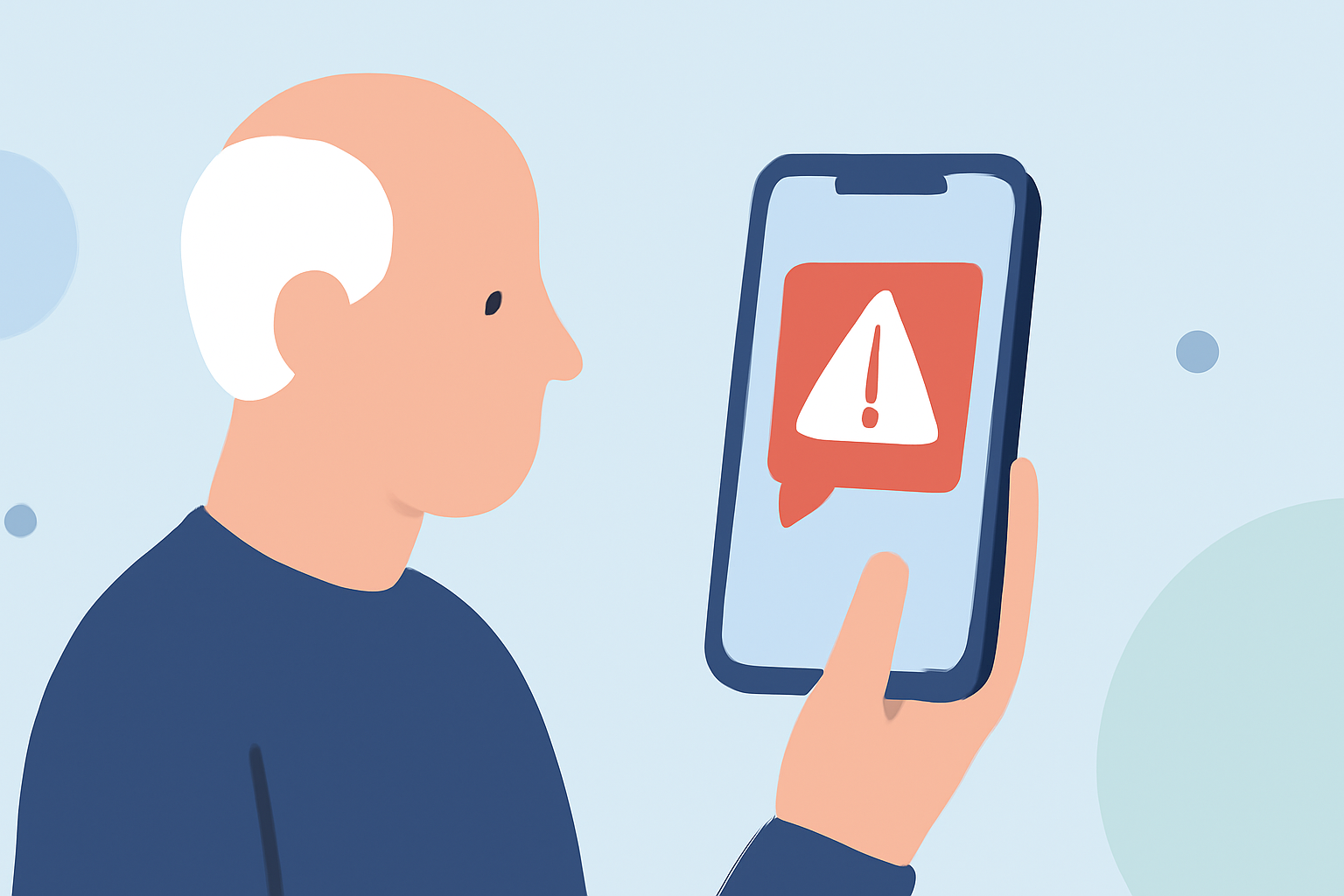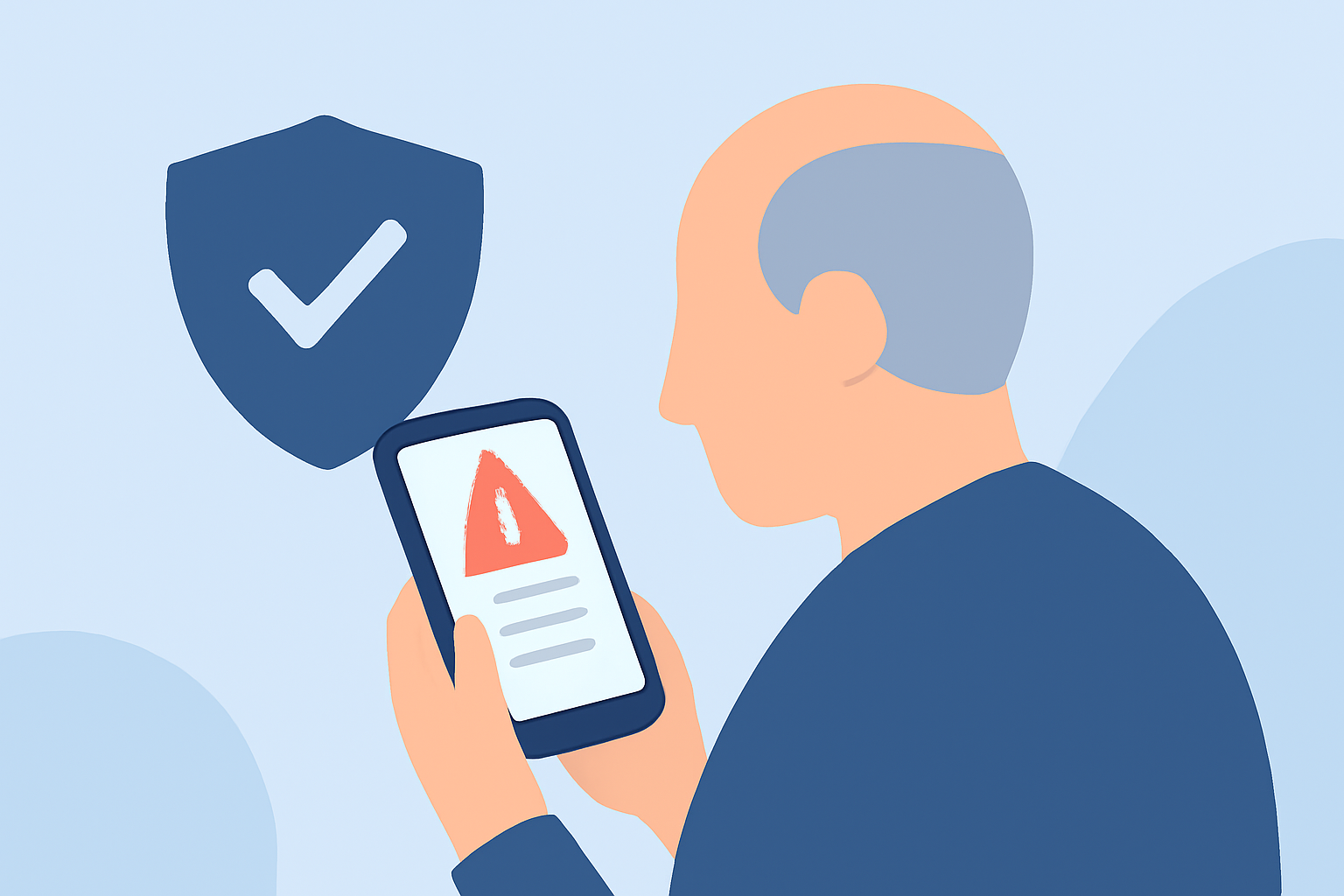
In today's digital age, older adults are increasingly targeted by scammers using fraudulent text messages, commonly known as "smishing." These deceptive texts often impersonate trusted entities, such as banks or government agencies, to steal personal information or money.
What Are Fake Fraud Alert Texts?
Fake fraud alert texts are unsolicited messages that claim to be from legitimate organizations, warning of suspicious activity on your accounts. They typically urge immediate action, such as clicking a link or providing personal information, to "secure" your account.
Common Tactics Used in Smishing Scams
-
Urgency and Threats: Scammers create a sense of urgency, threatening account suspension or legal action to pressure quick responses.
-
Impersonation: They pose as trusted entities like banks, government agencies, or well-known companies to gain your trust.
-
Malicious Links: The texts often contain links that, when clicked, lead to fake websites designed to steal your personal information.
How to Recognize Fake Fraud Alert Texts
-
Unsolicited Messages: Be cautious of unexpected texts claiming to be from organizations you have accounts with.
-
Suspicious Links: Avoid clicking on links from unknown sources, as they may lead to fraudulent websites.
-
Generic Greetings: Legitimate organizations usually address you by your full name, not generic terms like "Dear Customer."
-
Grammatical Errors: Many scam messages contain spelling or grammatical mistakes.
Steps to Protect Yourself
-
Verify the Source: If you receive a suspicious text, contact the organization directly using official contact information to confirm the message's legitimacy.
-
Do Not Share Personal Information: Legitimate organizations will never ask for sensitive information via text message.
-
Use Security Features: Enable two-factor authentication on your accounts for an added layer of security.
-
Educate Yourself: Stay informed about common scams targeting older adults to recognize potential threats.
Reporting Fraudulent Texts
If you receive a fraudulent text message, report it to the Federal Trade Commission (FTC) at ReportFraud.ftc.gov. This helps authorities track and combat scams targeting consumers.
How Robokiller Can Help
Robokiller offers advanced spam and scam blocking features that can help protect you from fraudulent text messages. By using Robokiller, you can reduce the risk of falling victim to smishing scams.
Conclusion
Staying vigilant and informed is crucial in protecting yourself from fake fraud alert texts. By recognizing the signs of smishing and taking proactive steps, you can safeguard your personal information and financial security.
Highlights:
- How to prevent and report scams targeting older adults | Consumer Financial Protection Bureau, Published on Sunday, May 01
- Steps Older Adults Can Take to Reduce Fraud Risk | FINRA.org, Published on Monday, August 18
- BBB Scam Alert: Top tricks used to scam older adults, Published on Monday, April 28