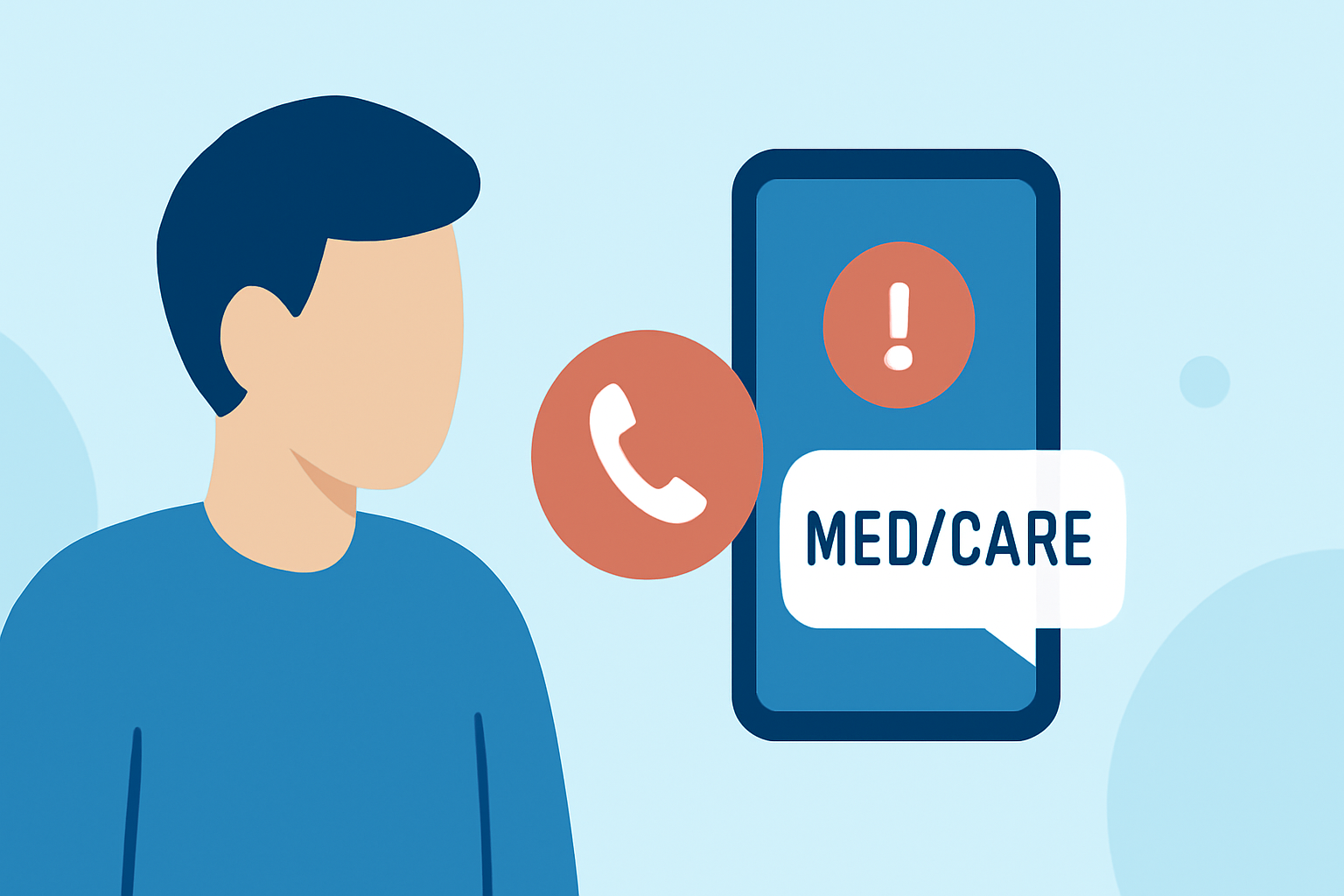
Medicare scam calls are a persistent threat, especially to older adults. In January 2023, scammers targeted seniors with 36 million fake Medicare robocalls. (breitbart.com) These fraudulent calls can lead to significant financial losses and personal information breaches.
What Are Medicare Scam Calls?
Medicare scam calls involve fraudsters impersonating Medicare representatives to steal personal information or money. They may offer free medical equipment, ask for Medicare card details, or claim benefits are at risk unless immediate action is taken. (healthline.com)
How to Identify Medicare Scam Calls
Recognizing scam calls is crucial. Legitimate Medicare representatives will never call unexpectedly to ask for personal information. Be wary if the caller:
- Requests personal details like your Medicare number or Social Security number.
- Offers free medical devices or services in exchange for personal information.
- Pressures you to make immediate decisions regarding your benefits.
If you receive such a call, hang up immediately. Do not share any personal information. Instead, contact Medicare directly at 800-633-4227 to verify any claims. (healthline.com)
How to Prevent Medicare Scam Calls
Taking proactive steps can reduce the risk of falling victim to these scams:
-
Register with the National Do Not Call Registry: Adding your number to this registry can reduce unsolicited calls. As of 2024, over 253 million numbers are registered. (ftc.gov)
-
Use Call-Blocking Technology: Services like Robokiller can identify and block scam calls, preventing them from reaching you. (robokiller.com)
-
Educate Yourself and Others: Stay informed about common scam tactics and share this knowledge with family and friends.
What to Do if You Receive a Medicare Scam Call
If you suspect a call is a scam:
- Hang Up: Do not engage with the caller.
- Report the Call: File a complaint with the Federal Trade Commission (FTC) at ReportFraud.ftc.gov.
- Monitor Your Accounts: Regularly check your Medicare statements and bank accounts for any unauthorized activity.
Conclusion
Medicare scam calls are a serious concern, but by staying vigilant and informed, you can protect yourself and your loved ones. Utilizing tools like Robokiller and adhering to the steps outlined above can significantly reduce the risk of falling victim to these scams.
Highlights:
- FTC Releases Annual Do Not Call Registry Data Book Showing Consumer Complaints Continued to Decrease in Fiscal Year 2023 | Federal Trade Commission