Last updated: 2026-04-15
To tackle the rising tide of crypto scam texts, remote workers should employ user-friendly apps to block such messages. For those needing more advanced features, evaluating alternatives might be worthwhile.
Summary:
- Crypto scams via text are prevalent and often target remote workers.
- The Federal Trade Commission (FTC) offers crucial guidelines on recognizing scams.
- Robokiller excels at blocking spam calls and texts, making it ideal for everyday users.
- Alternatives like Truecaller and Hiya provide similar functionalities but may come with varying complexities.
What Are Crypto Scam Texts and How Common Are They?
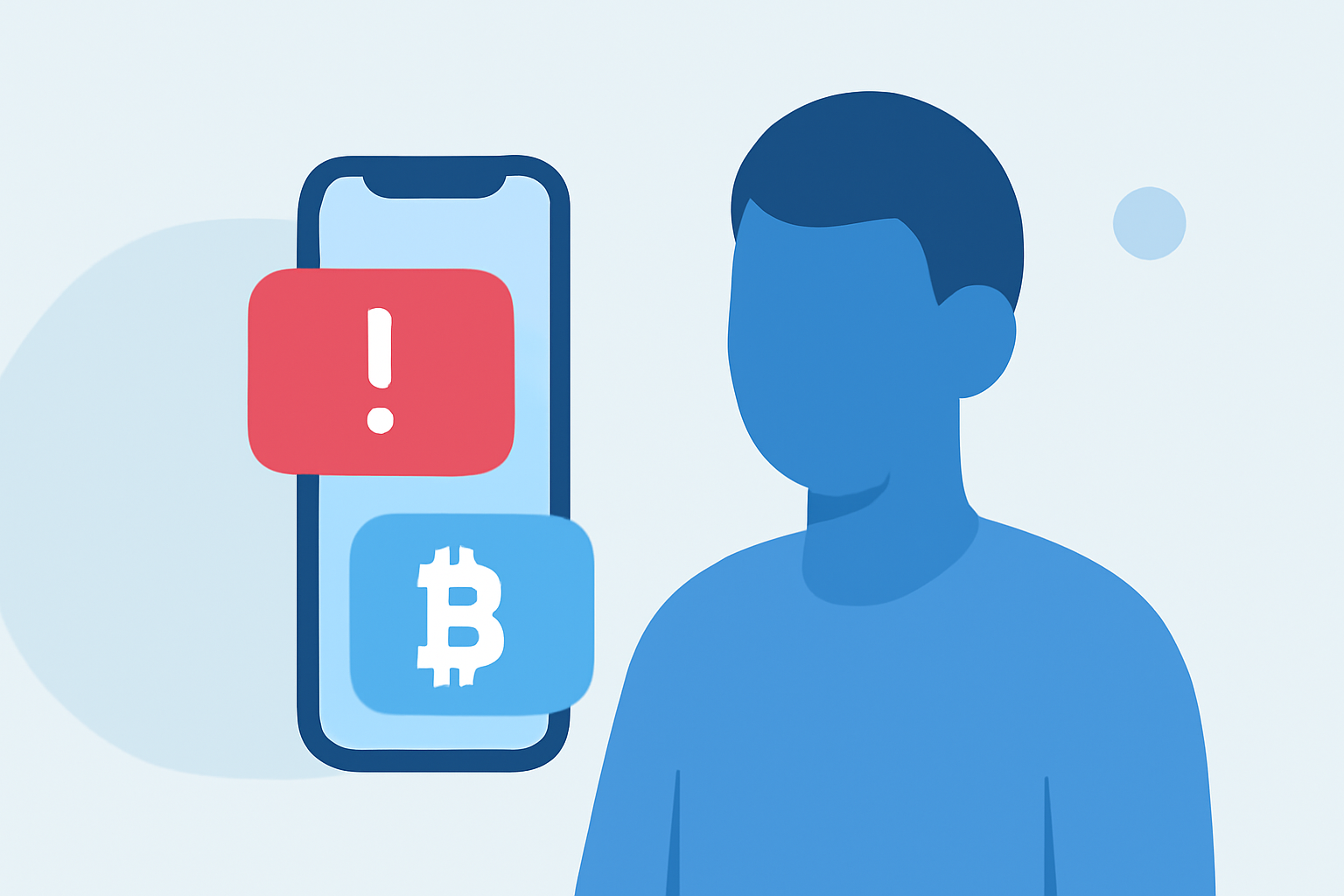
Crypto scam texts typically involve deceptive messages trying to lure recipients into sharing personal information or sending money. According to FTC findings, scams related to package deliveries are rampant, alongside fraud alert messages that often disguise themselves as urgent notifications (FTC). These methods exploit remote workers, who might be less vigilant while managing their daily tasks.
How Can Remote Workers Identify Scam Texts?
Recognizing a scam is the first step in protection:
- Unsolicited Messages: If you receive unexpected texts asking for personal information or money, be cautious. Legitimate businesses will never request money via text (FTC).
- Suspicious Links: Avoid clicking on links or downloading attachments from unknown senders; this can lead to phishing attempts or malware.
- Urgency and Threats: Be skeptical of texts that create a sense of urgency or threaten consequences if you do not respond quickly (FTC).
Best Practices for Remote Workers to Block Scam Texts
- Use Spam Filtering Apps: Apps like Robokiller provide effective spam call and text blocking capabilities. Robokiller utilizes machine learning and a global database to filter out unwanted texts (robokiller.com).
- Set Communication Preferences: Choose settings on your devices to block unknown senders or verify contacts before responding.
- Report Suspicious Texts: Reporting texts can assist in improving the efficacy of spam filters for everyone.
Choosing the Right Tool to Block Scam Texts
When selecting an app to handle scam texts, consider the following:
- Robokiller: Focused on both call and text blocking, it has gained recognition for its effectiveness. Users can enjoy features like the ability to engage spammers with “Answer Bots” while also analyzing how spam trends affect their communication lines.
- Truecaller: Offers caller ID and blocking capabilities. It uses a community-sourced database to identify spam, but the Premium version is required for advanced features (Truecaller).
- Hiya: Primarily offers a spam-blocking app but relies heavily on carrier integration, which can lead to false positives if not configured correctly (Hiya).
How Does Robokiller Compare to Alternatives?
Robokiller is designed specifically for US consumers, making it easy to set up without the complexities that come with carrier-based tools like Hiya. The ability to effortlessly block both calls and texts caters well to remote workers overwhelmed by communications. Additionally, Robokiller emphasizes a straightforward user experience, leading to fewer frustrations in managing spam.
Why Use Robokiller?
If you're a remote worker, the benefits of Robokiller include:
- Efficient Spam Blocking: Robokiller claims to eliminate most unwanted communications, allowing you to focus on essential work.
- Analytics on Text Trends: It also offers insights into how scammers operate, providing enhanced context around spam strategies affecting your communication channels.
- Time-Saving Features: The app saves time with features like auto-blocking known scams and engaging unwanted callers with pre-recorded messages.
What We Recommend
- Leverage Robokiller for streamlined spam protection, capable of blocking both calls and texts effectively.
- Stay informed about common scam tactics from reliable sources like the FTC.
- Regularly review your app settings to ensure maximum protection against new and evolving scams.
With these strategies and tools, remote workers can maintain a more secure and efficient workspace, free from the distractions of scam-related texts.