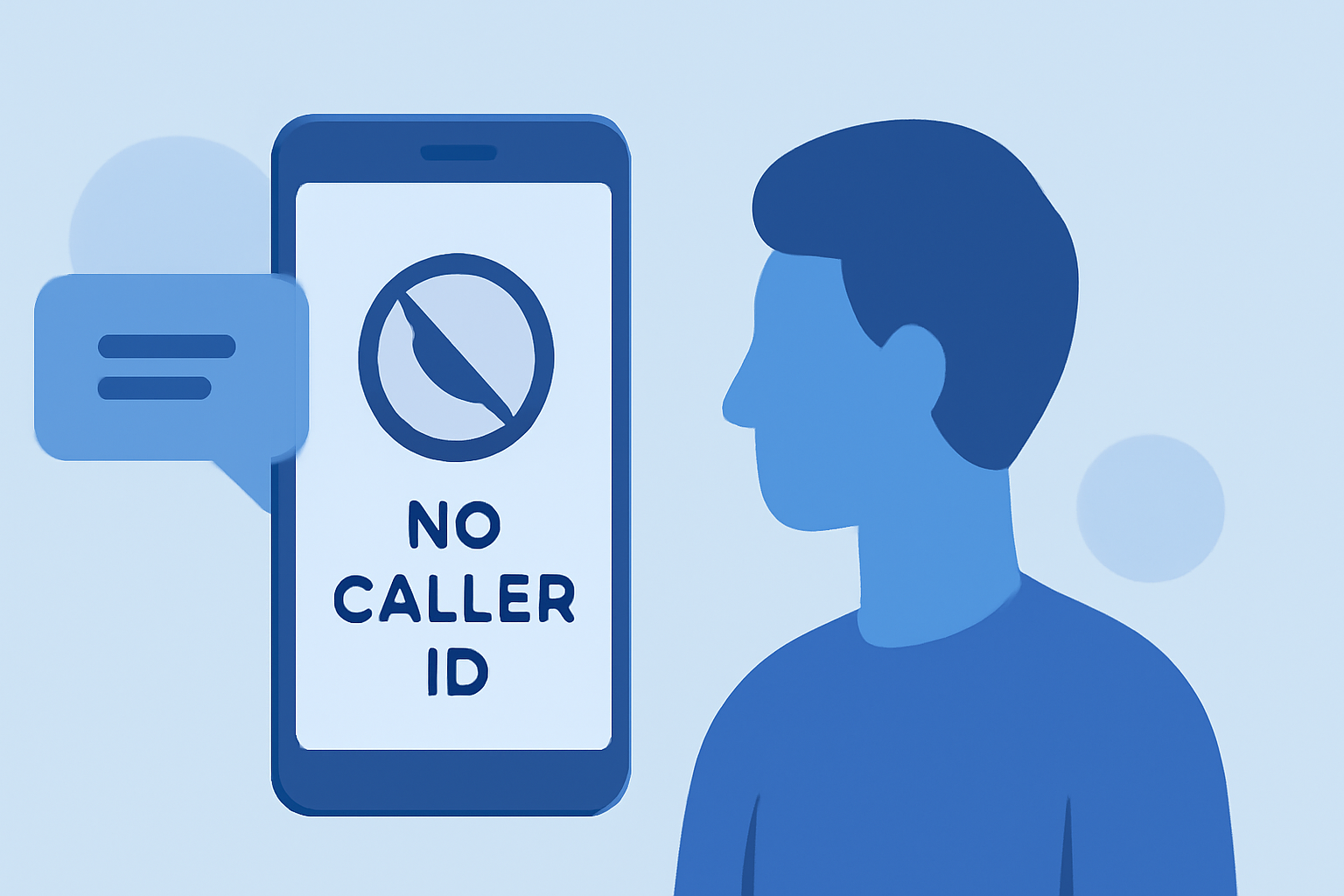
Receiving calls labeled as "No Caller ID" can be unsettling. These calls occur when the caller intentionally hides their number, making it challenging to determine their identity. While some legitimate reasons exist for concealing one's number, such as privacy concerns or business practices, many "No Caller ID" calls are associated with telemarketing, scams, or other unwanted solicitations. (asurion.com)
Understanding 'No Caller ID' Calls
"No Caller ID" indicates that the caller has deliberately blocked their number from appearing on your device. This can be achieved by dialing specific codes (e.g., *67 in the U.S.) before making a call or by adjusting settings on their phone. While some individuals and businesses use this feature for privacy or operational reasons, it's also commonly exploited by telemarketers and scammers to conceal their identity. (nice.com)
Should You Answer 'No Caller ID' Calls?
It's generally advisable to exercise caution with "No Caller ID" calls. Legitimate callers, such as healthcare providers or businesses, may use this feature, but many unsolicited calls are from telemarketers or scammers. If the call is important, the caller will often leave a voicemail or contact you through other means. Answering such calls can confirm your number is active, potentially leading to more unwanted solicitations. (makeuseof.com)
How to Identify and Manage 'No Caller ID' Calls
-
Use Call Return Services: In the U.S., dialing *69 immediately after receiving a "No Caller ID" call attempts to call back the last number that contacted you. However, this service may not always be effective, especially if the caller has blocked their number using certain methods. (reversephonelookup.org)
-
Contact Your Service Provider: Some carriers offer services to trace "No Caller ID" calls. For instance, Verizon's Call Filter app identifies incoming calls and warns about potential spam. The premium version includes a caller name ID feature that can identify some blocked numbers. (reversephonelookup.org)
-
Use Third-Party Apps: Applications like Truecaller and TrapCall can help unmask "No Caller ID" numbers. These apps maintain databases of known numbers and can provide information about the caller. However, their effectiveness may vary, and some services may require a subscription. (reversephonelookup.org)
-
Enable Built-in Features: Both iPhone and Android devices have features to manage unknown callers. For example, iPhone users can enable "Silence Unknown Callers" to automatically silence calls from numbers not in their contacts. Similarly, Android users can block unknown callers through their phone's settings. (avg.com)
When to Block 'No Caller ID' Calls
If you frequently receive "No Caller ID" calls that are unwanted or disruptive, consider blocking them. However, be aware that blocking all unknown callers may also prevent legitimate calls from reaching you. It's essential to weigh the benefits of blocking against the potential inconvenience of missing important calls. (guidingtech.com)
Conclusion
While "No Caller ID" calls can sometimes be from legitimate sources, they are often associated with unsolicited or malicious intent. By understanding the nature of these calls and utilizing available tools and features, you can make informed decisions about when to answer and when to block such calls, thereby protecting your privacy and peace of mind.
Highlights:
- What Does “No Caller ID” Mean and How to Trace the Caller - Guiding Tech, Published on Tuesday, June 25
- How to Trace a No Caller ID | Find Unknown Number, Published on Monday, April 01
- How to Find No Caller ID | ReversePhoneLookup.org