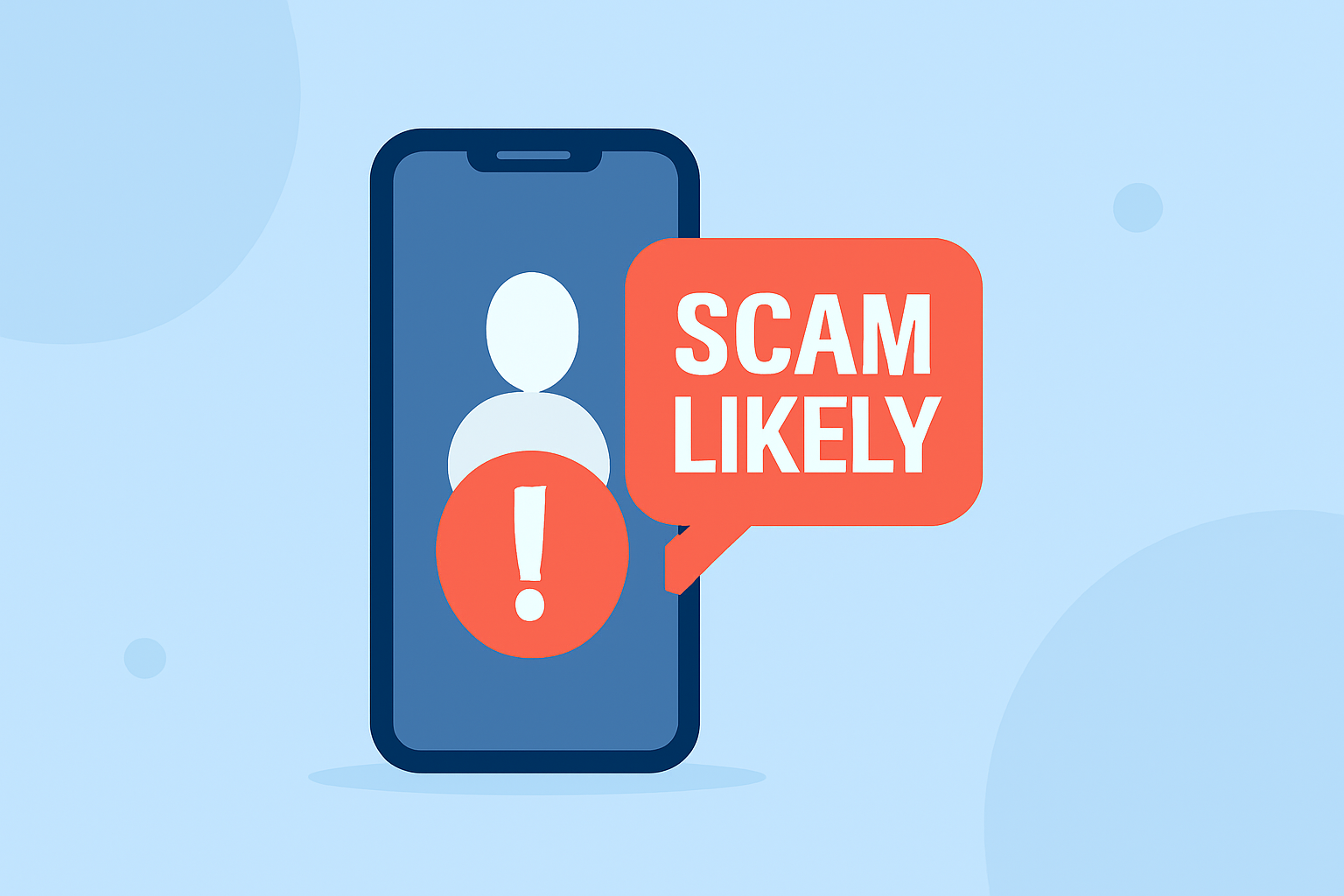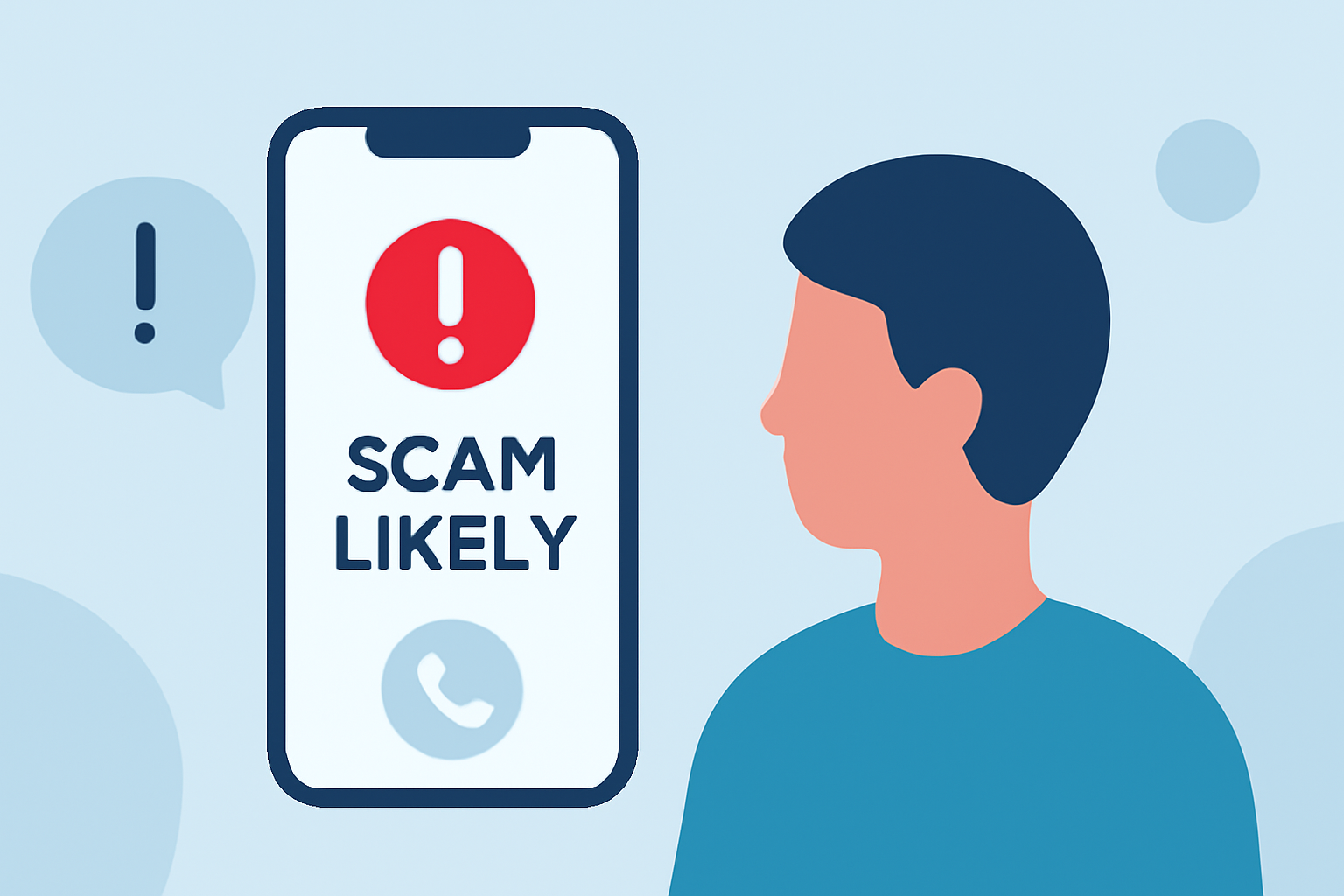
Receiving a call labeled as "Scam Likely" can be unsettling. These alerts are designed to help you avoid potential fraud, but understanding their accuracy and how to respond is crucial.
What Does "Scam Likely" Mean?
When your phone displays "Scam Likely," it indicates that your carrier has flagged the incoming call as potentially fraudulent. This labeling is based on patterns such as high call volumes, robocall characteristics, or reports from other users. For instance, T-Mobile uses "Scam Likely," while AT&T and Verizon might display "Spam Risk" or "Potential Spam." (callcontrol.com)
Are All "Scam Likely" Calls Dangerous?
Not every call marked as "Scam Likely" is a scam. Some legitimate organizations may be mistakenly flagged due to their calling patterns. However, it's wise to exercise caution. Scammers often use caller ID spoofing to make their numbers appear local or familiar, increasing the likelihood of you answering. (leb.fbi.gov)
How Can I Safely Handle These Calls?
-
Do Not Answer Immediately: If you receive a "Scam Likely" call, let it go to voicemail. Legitimate callers will leave a message.
-
Listen to the Voicemail: Review the message to determine if it's from a known contact or organization.
-
Verify the Caller: If the voicemail is from a company or institution, contact them using a phone number from their official website or your records to confirm the call's legitimacy.
-
Use Call Blocking Features: Many smartphones and carriers offer call-blocking services. For example, Verizon provides tools to block scam calls. (asurion.com)
-
Report Suspicious Calls: If you believe you've received a scam call, report it to the Federal Trade Commission (FTC) at DoNotCall.gov. This helps authorities track and combat fraudulent activities. (consumer.ftc.gov)
How Can I Reduce the Number of Scam Calls I Receive?
-
Register with the National Do Not Call Registry: While this won't stop all scam calls, it can reduce the number of legitimate telemarketing calls you receive. (consumer.ftc.gov)
-
Use Call-Blocking Apps: Applications like Robokiller can help identify and block scam calls, providing an additional layer of protection.
-
Stay Informed: Regularly educate yourself about common scam tactics and stay updated on new methods used by scammers.
What Are Some Common Signs of a Scam Call?
-
Urgent Language: Scammers often create a sense of urgency, claiming immediate action is required.
-
Unusual Payment Requests: Be wary of requests for payment via wire transfer, gift cards, or cryptocurrency. Legitimate organizations typically don't ask for payments in these forms. (consumer.ftc.gov)
-
Unfamiliar Numbers: Calls from unfamiliar or international numbers can be a red flag.
How Does Robokiller Help in Identifying Scam Calls?
Robokiller utilizes advanced algorithms and a vast database of known scam numbers to identify and block fraudulent calls. By analyzing call patterns and user reports, it effectively reduces the number of scam calls you receive, providing peace of mind.
In conclusion, while "Scam Likely" alerts are a helpful tool, it's essential to remain vigilant. By understanding these alerts, verifying unknown callers, and utilizing available resources like Robokiller, you can significantly reduce the risk of falling victim to phone scams.
Highlights:
- I haven't answered a scam call in months - this hidden iPhone feature is why, Published on Wednesday, March 18