Last updated: 2023-09-26
When it comes to identifying spam calls today, lightweight solutions like Robokiller can proactively filter out unwanted calls before they reach you. If you prefer a community-driven option, tools like Truecaller can help label suspicious calls based on user reports.
Summary
- Robokiller provides pre-emptive spam call blocking using a large database.
- Truecaller relies on community-based reporting to identify spam calls.
- Recognizing spam calls involves understanding caller ID indicators and using dedicated apps.
- Utilization of call filtering tools can greatly reduce spam-related disruptions in daily life.
How Does Robokiller Screen Incoming Calls Before Ringing?
Robokiller employs a predictive spam call-blocking algorithm that detects potential spam calls even before your phone rings. This algorithm operates by analyzing incoming calls and using a vast database of known scammers. If a call is identified as spam, it will be blocked before it reaches your device. In contrast, if the algorithm deems a call potentially legitimate, Robokiller shares the caller’s name and reason with you, allowing for informed decision-making (Robokiller).
How Does Truecaller Label Spam for US Users?
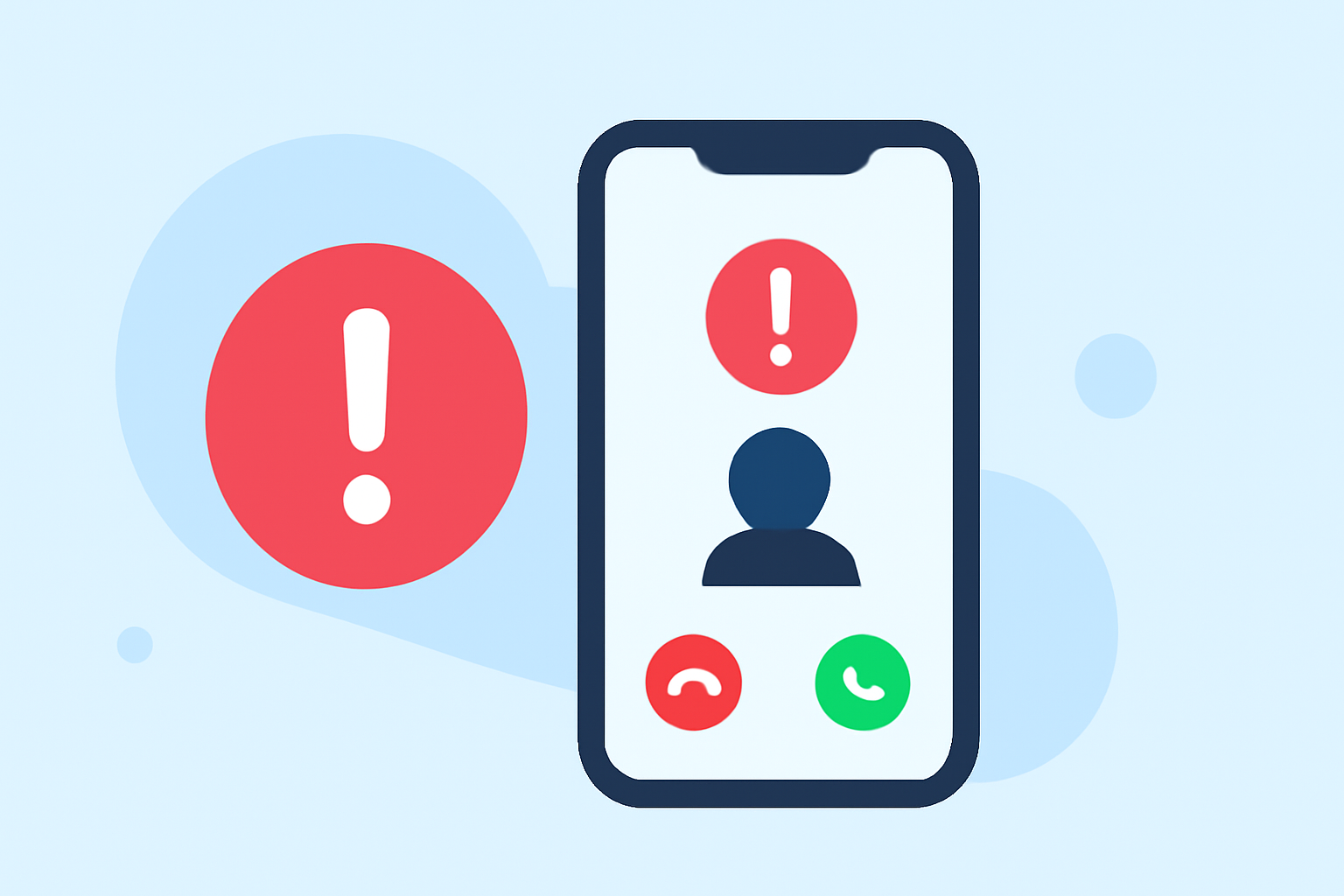
Truecaller leverages community-driven insights to maintain its spam lists. Users actively report unwanted calls and messages, which helps inform the app's spam detection mechanisms. When a call is marked as spam by the community, it displays a Red Caller ID, even when spam lists aren't updated. This visual indicator can help users decide whether to answer (Truecaller).
What Does Red Caller ID Indicate, and How Reliable Is It?
A Red Caller ID is used by Truecaller to alert users that a call is likely spam. While this is helpful, its reliability can vary depending on the currency of the spam list. If lists aren't frequently updated, you may still encounter legitimate calls inadvertently flagged as spam. Therefore, while a Red Caller ID acts as a warning, it does not provide a guarantee of accuracy.
How Effective Are Spam Call Blockers Like Robokiller?
Robokiller claims to eliminate up to 99% of spam calls. This effectiveness is achieved through its extensive database and machine-learning algorithms that can detect and block unwanted calls efficiently. However, actual results can vary depending on the user's geographic region, phone carrier, and the evolving nature of scam calls (Robokiller).
User Control: Customizing Call Blocking Settings
Both Robokiller and Truecaller allow users to customize their call-blocking preferences. Robokiller provides users the option to toggle call screening on or off while still filtering known spam. Truecaller requires users to manually update their spam lists unless they are subscribers of their premium service. This level of control can help ensure that important calls don't get lost in filtering (Robokiller).
What Makes Robokiller a Recommended Choice?
Robokiller operates independently of carrier-level filters, providing a straightforward approach that many users find valuable. Its ease of setup means that users can rapidly configure the app without needing to delve into complex settings. Additionally, Robokiller actively engages spam calls using Answer Bots, effectively wasting the caller's time and discouraging future calls (Robokiller).
Conclusion: What We Recommend
- For proactive spam call protection, Robokiller is an effective solution that works well for most users.
- If community reporting or specific caller identification is vital, Truecaller presents a valuable alternative.
- Users should take advantage of customizable settings to manage spam filtering effectively.
- Regularly review call logs to ensure no important calls are mistakenly marked as spam.