Delivery scam texts, also known as "smishing," are fraudulent messages that impersonate legitimate delivery services like USPS, UPS, or FedEx. These scams aim to steal personal information or money by tricking recipients into clicking malicious links or providing sensitive data. In 2024, consumers reported losses of $470 million due to scam texts, highlighting the urgency of this issue. (mcafee.com)
What Are Delivery Scam Texts?
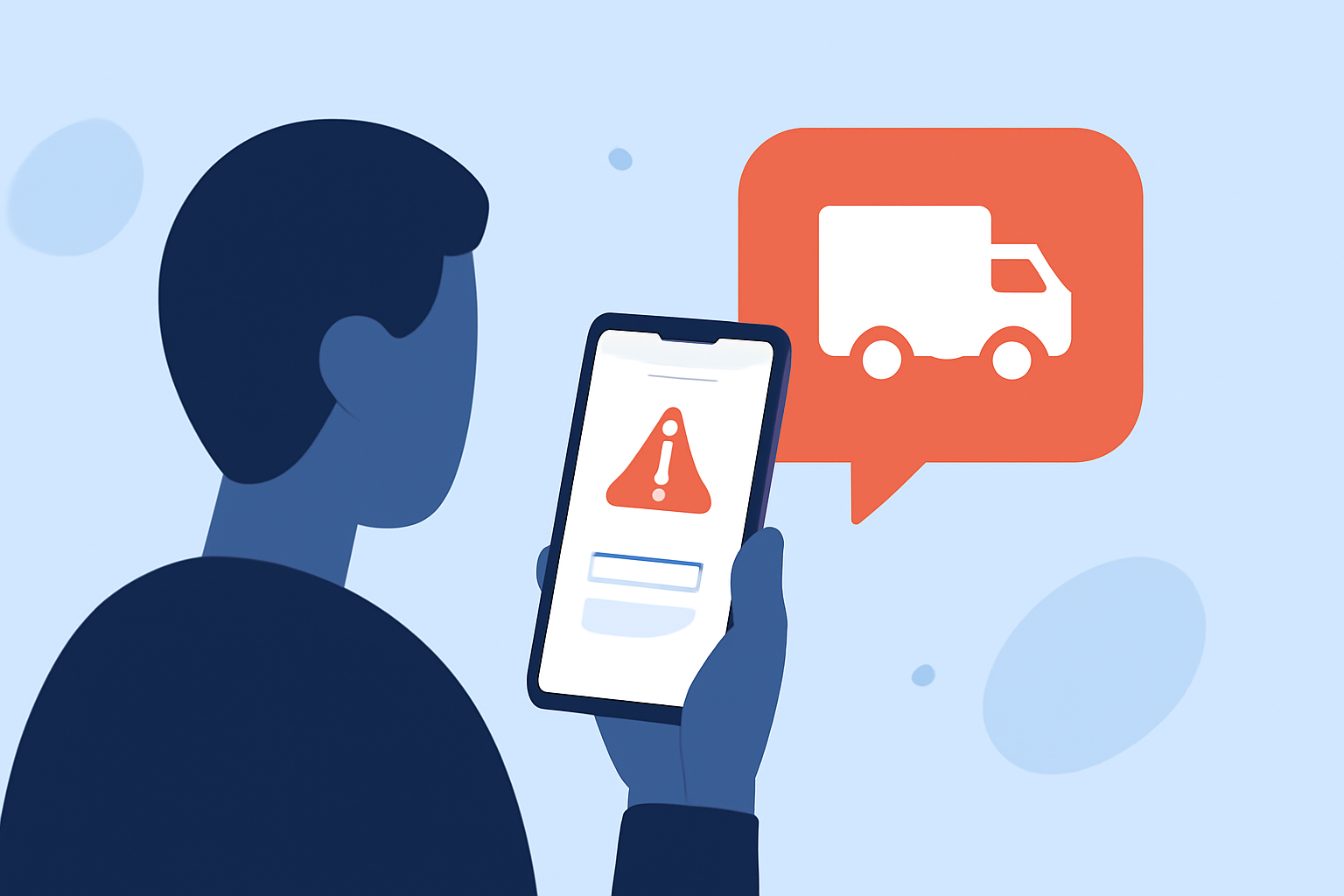
Scammers send text messages claiming to be from reputable delivery companies, informing recipients of issues with their packages. These messages often include urgent language and a link to "resolve" the problem. Clicking the link can lead to phishing websites designed to steal personal information or install malware on your device. (consumerreports.org)
How to Recognize a Scam Delivery Text
-
Unsolicited Messages: Legitimate delivery services typically don't send unsolicited texts. If you weren't expecting a package, be cautious.
-
Urgent Language: Scammers often use phrases like "Immediate action required" or "Your package is on hold" to create a sense of urgency.
-
Suspicious Links: Hover over any links to see the actual URL. Scam links may have misspellings or unfamiliar domains.
-
Generic Greetings: Messages that don't address you by name or use generic terms like "Dear Customer" are often suspicious.
Steps to Protect Yourself
-
Don't Click on Links: Avoid clicking on links in unsolicited texts. Instead, visit the official website of the delivery service directly.
-
Verify the Sender: Check the sender's phone number. Legitimate companies usually send messages from their official numbers.
-
Use Official Tracking Services: Sign up for tracking notifications directly through the carrier's website or app. This ensures you're receiving authentic updates. (axios.com)
-
Report Suspicious Messages: Forward scam texts to 7726 (SPAM) to help your wireless provider block similar messages. (consumer.ftc.gov)
-
Enable Spam Filters: Activate built-in spam filters on your phone to reduce unwanted messages.
What to Do if You've Fallen Victim
-
Contact Your Bank: If you provided financial information, inform your bank immediately to monitor for unauthorized transactions.
-
Change Passwords: Update passwords for accounts that may have been compromised.
-
Monitor Credit Reports: Regularly check your credit reports for any unusual activity.
Conclusion
Delivery scam texts are a growing threat, but by staying vigilant and following these protective measures, you can significantly reduce the risk of falling victim. Always prioritize your personal information and verify any unexpected communications through official channels.
Highlights:
- "Don't click the link": How to avoid package delivery text scams, Published on Tuesday, December 10