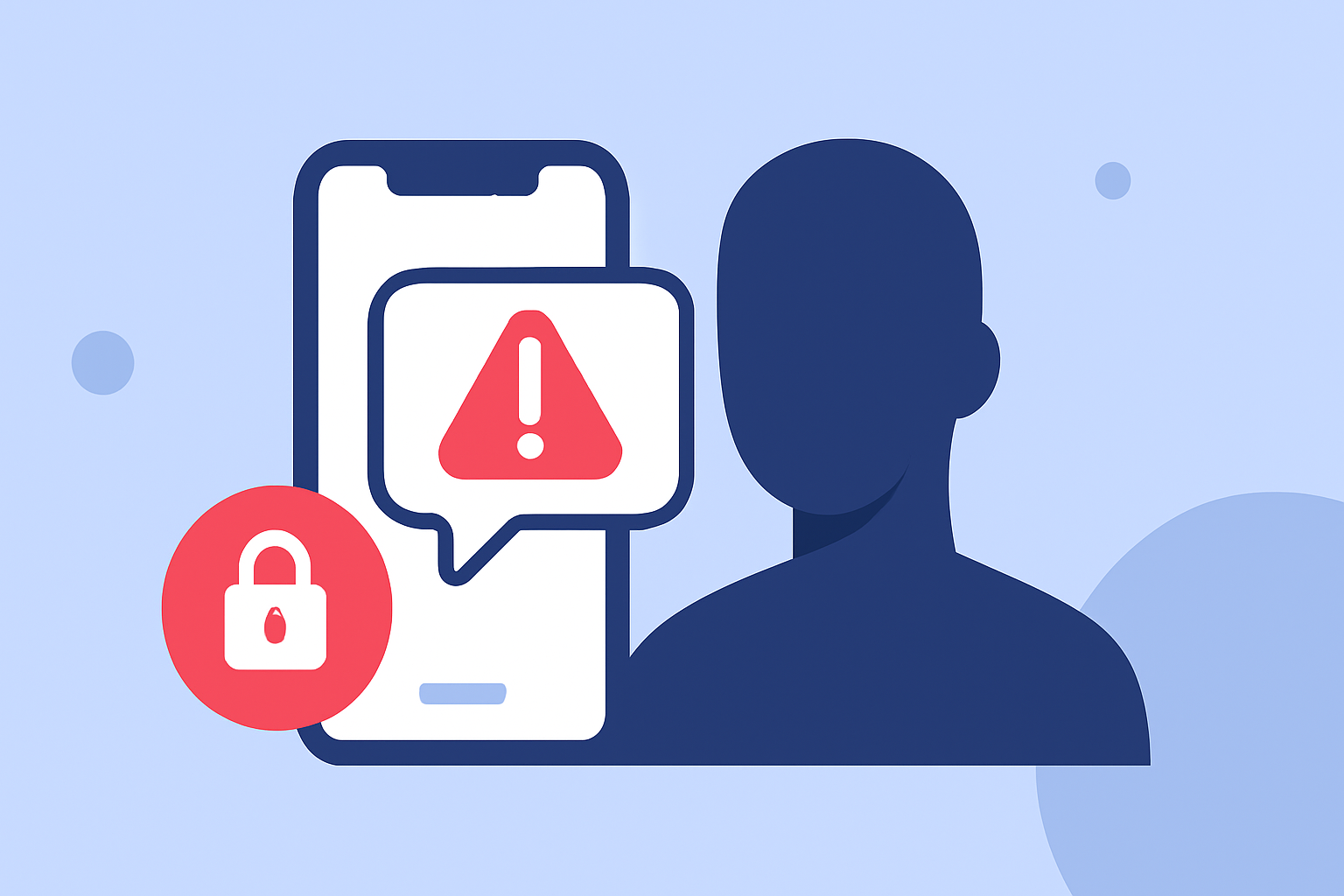
Phishing texts, also known as "smishing," are fraudulent messages designed to deceive recipients into revealing sensitive information or clicking malicious links. These scams have become increasingly prevalent, with consumers reporting losses of $470 million in 2024 alone. (mcafee.com)
What Are Phishing Texts?
Phishing texts are deceptive messages that impersonate legitimate entities, such as banks, government agencies, or well-known companies, to trick individuals into providing personal information or clicking on harmful links. The goal is often to steal sensitive data, install malware, or commit financial fraud.
How Do Phishing Texts Work?
Scammers employ various tactics to make phishing texts convincing:
-
Urgent Language: Messages may claim immediate action is required, such as verifying account information or addressing suspicious activity.
-
Impersonation: Scammers often pose as trusted organizations, like your bank or a government agency, to gain your trust.
-
Malicious Links: Texts may contain links that, when clicked, lead to fraudulent websites designed to steal your information or install malware.
How to Recognize Phishing Texts?
Being able to identify phishing texts is crucial for protection. Look out for:
-
Unusual Sender Numbers: Messages from unfamiliar or short numbers, such as "5000," can be a red flag.
-
Suspicious Links: Unfamiliar or shortened URLs that don't match the official website of the purported sender.
-
Grammar and Spelling Errors: Many phishing texts contain mistakes, which can indicate a lack of authenticity.
-
Unexpected Requests: Legitimate organizations typically don't ask for sensitive information via text messages.
What Are Common Phishing Text Scams?
Phishing texts often involve:
-
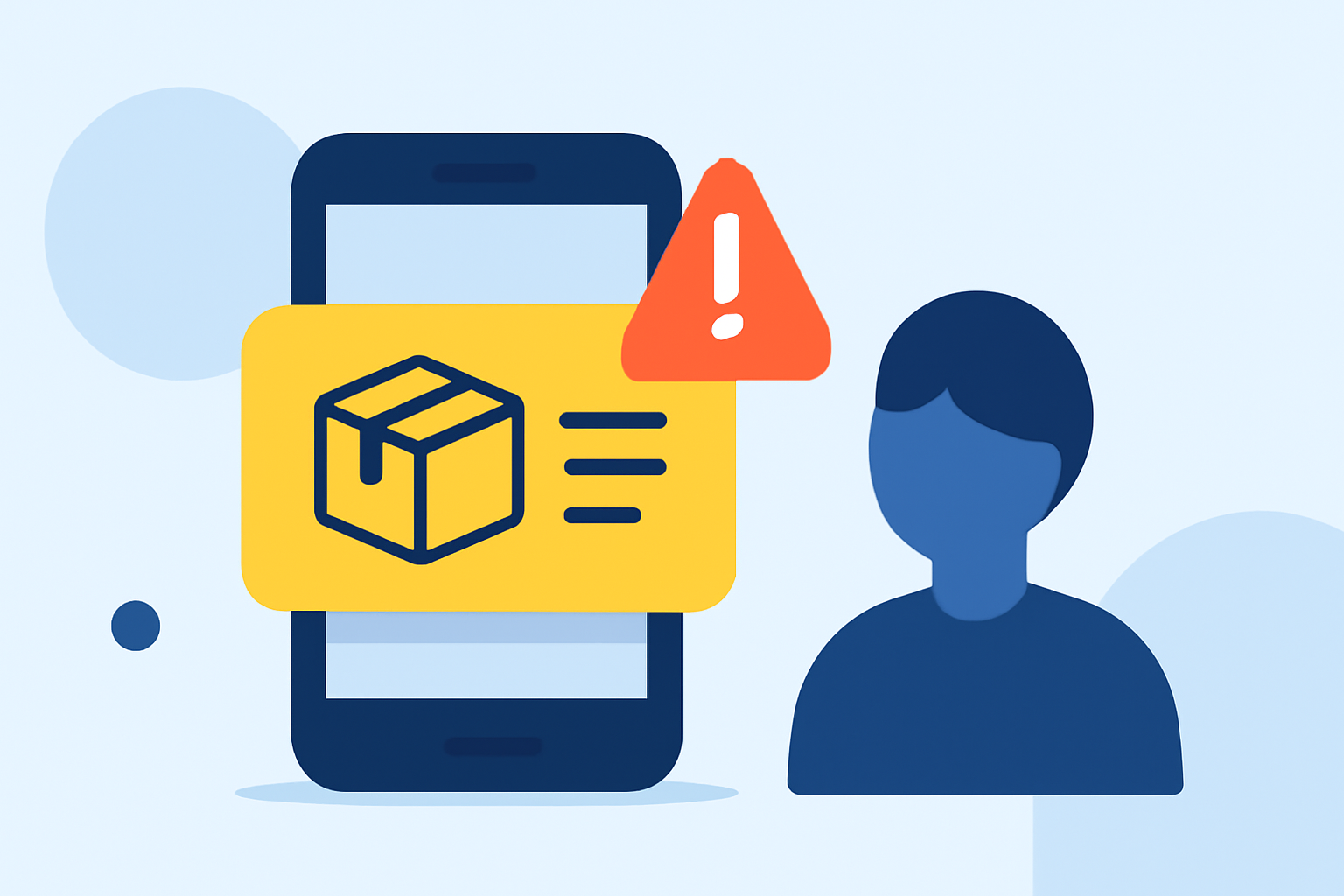
Package Delivery Scams: Messages claiming to be from delivery services like USPS, UPS, or FedEx, stating issues with your package and prompting you to click a link. (axios.com)
-
Bank Alerts: Texts that appear to be from your bank, warning of suspicious activity and urging immediate action. (consumer.ftc.gov)
-
Government Impersonation: Messages pretending to be from government agencies, such as the IRS or state motor vehicle departments, claiming you owe fines or taxes. (tomsguide.com)
How to Protect Yourself from Phishing Texts?
To safeguard your personal information:
-
Be Skeptical of Unsolicited Messages: Avoid clicking on links or responding to unexpected texts, especially those requesting personal information. (consumer.ftc.gov)
-
Verify the Source: If a message claims to be from a legitimate organization, contact them directly using official contact information to confirm the message's authenticity.
-
Use Built-in Phone Features: Enable spam filters on your device to help identify and block suspicious messages. (mcafee.com)
-
Report Suspicious Messages: Forward phishing texts to 7726 (SPAM) to help your wireless provider block similar messages. (consumer.ftc.gov)
-
Install Reputable Security Software: Use trusted security apps that can detect and block malicious links in text messages. (mcafee.com)
How Can Robokiller Help?
Robokiller offers advanced spam and scam blocking features that can help identify and block phishing texts, providing an additional layer of protection against these threats.
What Should I Do If I Receive a Phishing Text?
If you receive a suspicious text:
-
Do Not Click Links or Provide Information: Avoid interacting with the message.
-
Report It: Forward the message to 7726 (SPAM) and report it to the Federal Trade Commission (FTC). (consumer.ftc.gov)
-
Delete the Message: Remove it from your device to prevent accidental interaction.
Conclusion
Phishing texts are a significant threat, but by staying informed and vigilant, you can protect yourself from these scams. Always approach unsolicited messages with caution and utilize available tools and resources to enhance your security.
Highlights:
- "Don't click the link": How to avoid package delivery text scams, Published on Tuesday, December 10
- Those urgent text messages aren't from your motor vehicle department - here's how to tell they're fake, Published on Friday, September 12
- Four common text scams and how to spot them, Published on Tuesday, June 10