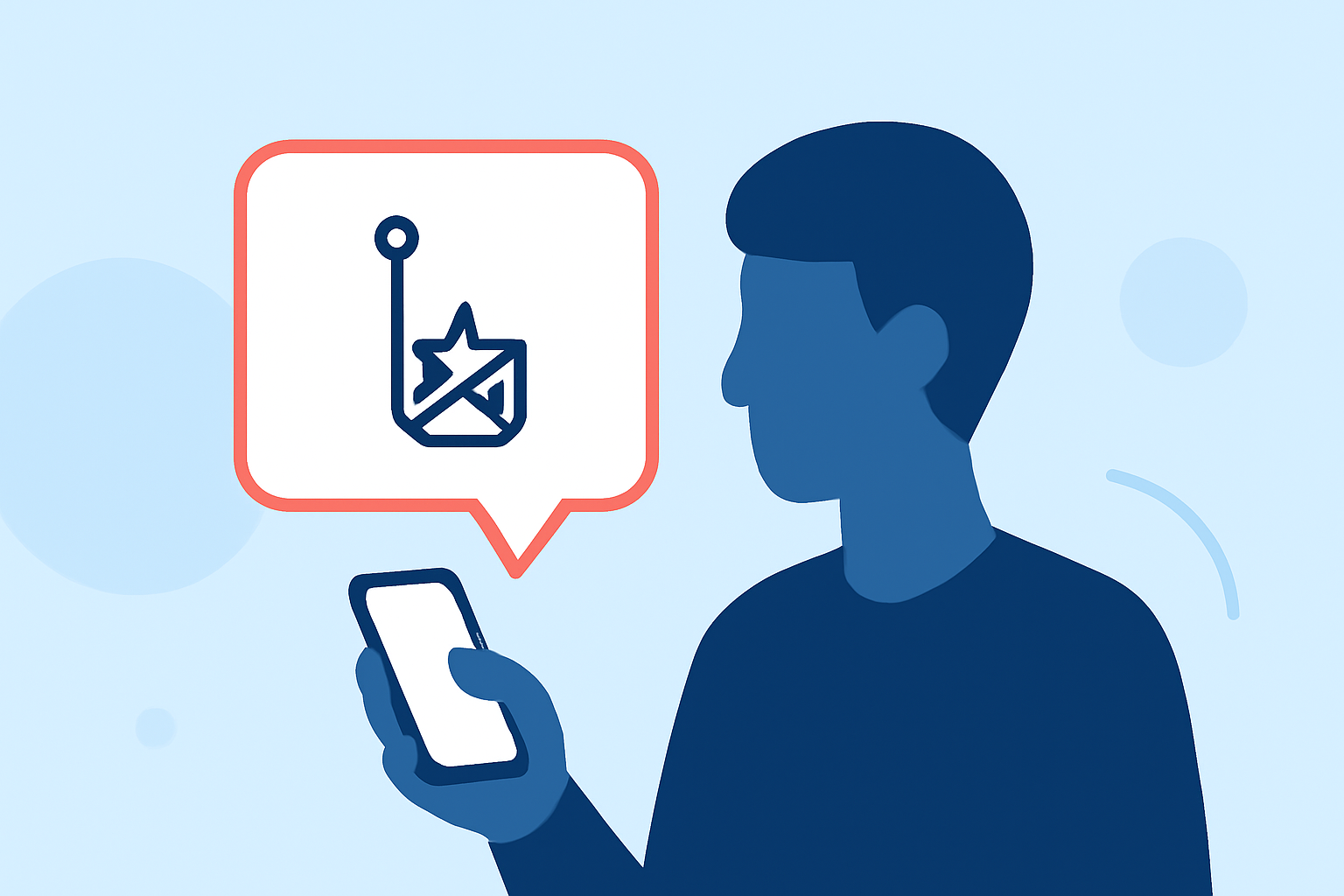
Phishing text messages, or "smishing," are fraudulent texts designed to deceive recipients into revealing sensitive information. These messages often impersonate trusted entities, such as banks or government agencies, to appear legitimate. Recognizing and mitigating these threats is crucial for maintaining your personal security.
What Are Phishing Texts and How Do They Work?
Phishing texts are deceptive messages that attempt to trick individuals into providing confidential information like passwords, credit card numbers, or Social Security numbers. They often contain urgent requests or enticing offers to prompt immediate action. For example, a message claiming your bank account has been compromised and urging you to click a link to verify your information is a common phishing tactic.
How Can I Identify Phishing Texts?
Recognizing phishing texts involves being vigilant for certain red flags:
-
Unfamiliar Senders: Messages from unknown numbers or contacts not saved in your phone.
-
Urgent Language: Phrases like "Immediate action required" or "Your account is at risk."
-
Suspicious Links: URLs that don't match the official website of the purported sender.
-
Grammatical Errors: Unusual phrasing or spelling mistakes.
For instance, a text claiming you've won a prize and need to click a link to claim it is likely a phishing attempt.
What Steps Can I Take to Protect Myself?
Implementing the following strategies can significantly reduce the risk of falling victim to phishing texts:
- Enable Built-in Spam Filters: Both Android and iOS devices offer features to filter unknown senders.
-
iPhone: Go to Settings > Messages and toggle on "Filter Unknown Senders."
-
Android: Open the Messages app, tap the three dots > Settings > Spam Protection, and enable it.
-
Use Reputable Spam-Blocking Apps: Applications like Robokiller can identify and block spam texts effectively. Robokiller boasts over 11 million downloads and a 4.5-star rating from more than 320,000 reviewers. (hp.com)
-
Report Suspicious Messages: Forward phishing texts to 7726 (SPAM) to alert your carrier. Additionally, report them to the Federal Trade Commission at ReportFraud.ftc.gov. (consumer.ftc.gov)
-
Be Cautious with Personal Information: Never share sensitive details via text message, especially when unsolicited.
-
Regularly Update Your Device: Keep your phone's operating system and apps updated to benefit from the latest security patches.
How Does Robokiller Enhance My Protection Against Phishing Texts?
Robokiller offers advanced features to combat phishing texts:
-
Spam Identification: Utilizes machine learning to detect and block spam messages.
-
User Reporting: Allows users to report spam, enhancing the app's database and effectiveness.
-
Comprehensive Blocking: Blocks both calls and texts from known spam numbers.
By integrating Robokiller into your mobile security strategy, you can significantly reduce exposure to phishing texts.
What Are the Legal Protections Against Phishing Texts?
In the United States, the Federal Communications Commission (FCC) has implemented rules to protect consumers from unwanted texts. These regulations limit the number of unsolicited messages and provide avenues for reporting and blocking spam. (consumer.ftc.gov)
How Can I Report Phishing Texts to Authorities?
Reporting phishing texts helps authorities track and combat these scams:
-
Forward to 7726 (SPAM): Send the suspicious message to 7726 to alert your carrier.
-
Federal Trade Commission (FTC): Report scams at ReportFraud.ftc.gov.
-
Federal Communications Commission (FCC): File a complaint at consumercomplaints.fcc.gov.
What Should I Do If I Have Already Responded to a Phishing Text?
If you've shared personal information in response to a phishing text:
-
Change Your Passwords: Update passwords for affected accounts immediately.
-
Monitor Financial Statements: Keep an eye on bank and credit card statements for unauthorized transactions.
-
Contact Relevant Institutions: Inform your bank or credit card company about potential fraud.
-
Consider Credit Monitoring: Enroll in a credit monitoring service to detect any unusual activity.
By staying informed and proactive, you can significantly reduce the risk of falling victim to phishing texts and protect your personal information.