In today's digital age, receiving text messages about package deliveries has become commonplace. However, not all such messages are legitimate. Scammers often impersonate delivery services to steal personal information or money. Understanding how to identify and avoid these scams is crucial for safeguarding your personal information.
What Are Delivery Scam Texts?
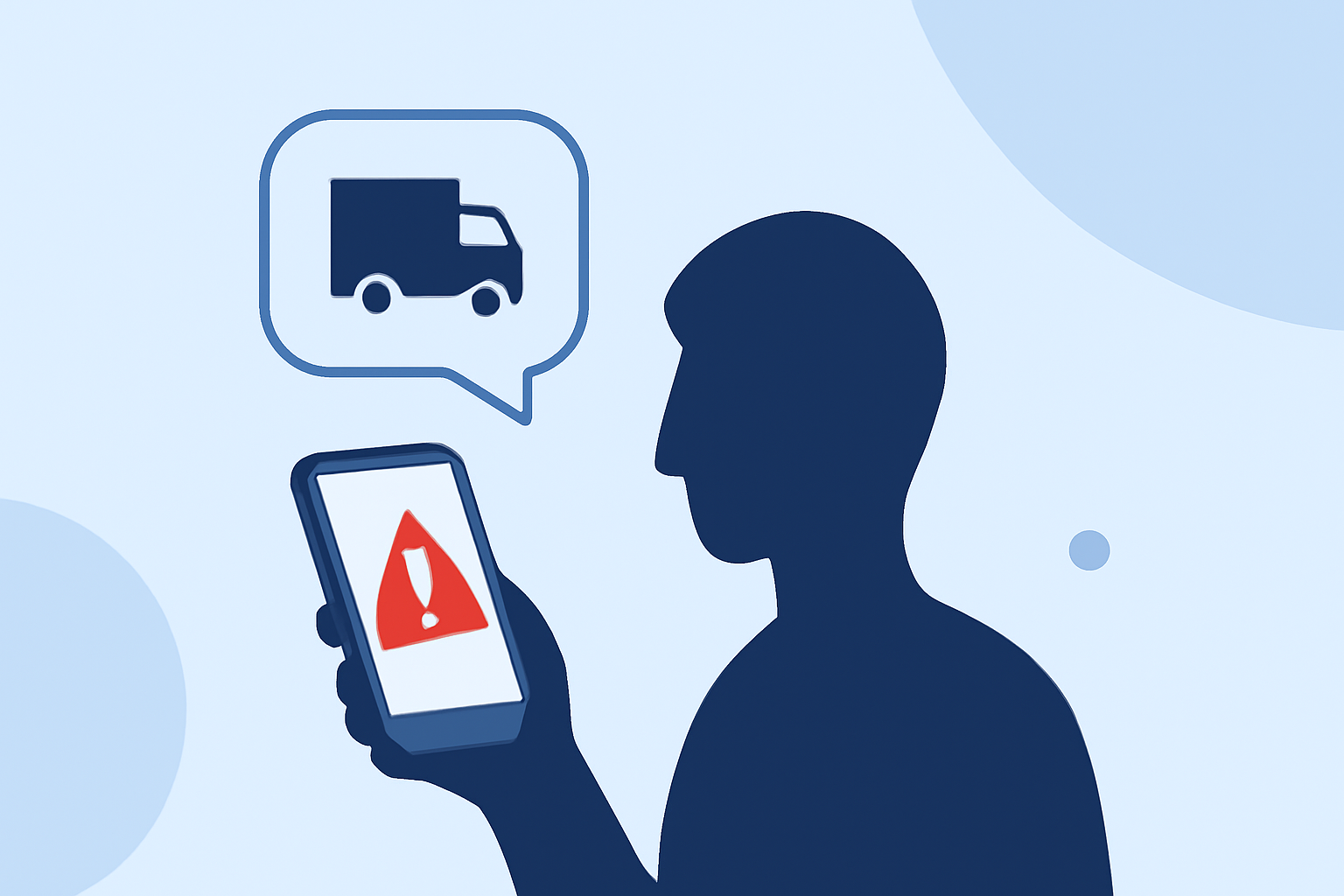
Delivery scam texts are fraudulent messages that appear to be from reputable carriers like USPS, UPS, or FedEx. They often claim issues with your package delivery, such as missed attempts or the need to update delivery preferences, and include links that lead to malicious websites designed to steal your personal information. (bbb.org)
How Do Scammers Operate?
Scammers typically send unsolicited messages claiming to be from delivery services, stating that a package is awaiting delivery or that there was an issue with a delivery attempt. These messages often contain links that, when clicked, direct you to fake websites or prompt you to provide sensitive information. Some scams may even ask for payment to release a package, which is a tactic to steal money. (microsoft.com)
How Can You Recognize a Scam Text?
-
Unsolicited Messages: Legitimate delivery services typically do not send unsolicited texts. (consumer.ftc.gov)
-
Suspicious Links: Be wary of messages containing links, especially if you weren't expecting a delivery.
-
Urgent Language: Scammers often use urgent language to create a sense of panic, urging you to act quickly.
-
Grammatical Errors: Many scam messages contain spelling or grammatical mistakes.
What Should You Do If You Receive a Suspicious Text?
-
Do Not Click on Links: Avoid clicking on any links or downloading attachments from unknown sources.
-
Verify Delivery Information Independently: Instead of using links in the message, go directly to the official website of the delivery service or retailer to check the status of your package. (consumer.ftc.gov)
-
Report the Scam: Report suspicious messages to the Federal Trade Commission (FTC) by forwarding them to 7726 (SPAM). (consumer.ftc.gov)
-
Use Mobile Filters: Many smartphones have built-in features to filter and block texts from unknown senders.
How Can You Protect Yourself Going Forward?
-
Monitor Your Deliveries: Keep track of your orders and their expected delivery dates to recognize legitimate messages.
-
Enable Two-Factor Authentication: Use two-factor authentication on your accounts to add an extra layer of security.
-
Educate Yourself and Others: Stay informed about common scams and share this knowledge with friends and family to help protect them as well.
How Does Robokiller Help in Preventing Scam Texts?
Robokiller is a leading solution in blocking unwanted texts and calls, including scam messages. By using advanced algorithms and a vast database of known scam numbers, Robokiller effectively filters out fraudulent communications, providing users with peace of mind. Unlike some competitors, Robokiller offers real-time updates and a user-friendly interface, making it easier to manage and block unwanted messages.
Conclusion
Delivery scam texts are a prevalent threat, but by staying vigilant and following the steps outlined above, you can significantly reduce the risk of falling victim to these scams. Utilizing tools like Robokiller can further enhance your protection against unwanted and fraudulent communications.
Highlights:
- "Don't click the link": How to avoid package delivery text scams, Published on Tuesday, December 10
- Beware of Fake USPS Text Messages, Published on Tuesday, June 11
- Text Messages Can Be One of the Best Ways for Scammers To Take Your Data - Here's How To Spot a Fake and How To Protect Yourself, Published on Tuesday, August 26