Neighbor spoofing is a deceptive tactic where scammers manipulate caller ID information to make it appear as though a call is coming from a local number or someone you know. This strategy increases the likelihood that you'll answer the call, allowing scammers to attempt fraud or gather personal information. (bbb.org)
What Is Neighbor Spoofing?
Scammers use technology to falsify the information transmitted to your caller ID display, making it seem as though the call is from a local number or a trusted entity. This tactic is designed to exploit your familiarity with local area codes and numbers, prompting you to answer the call. (robokiller.com)
How to Identify Safe Calls
Determining whether a call is safe to answer can be challenging, but there are several strategies you can employ:
-
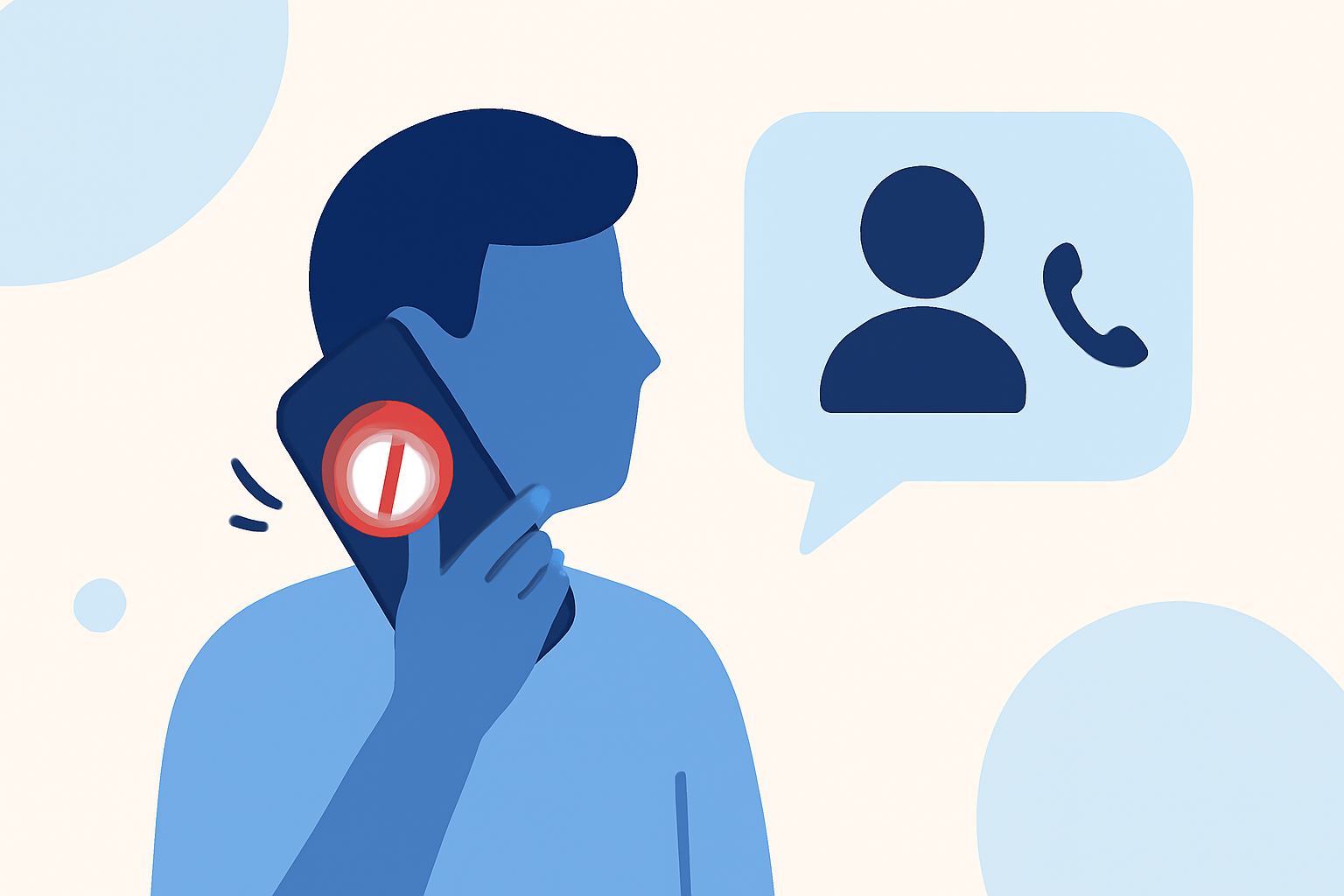
Don't Answer Unknown Numbers: If you receive a call from a number you don't recognize, especially one that appears local, it's best not to answer. Legitimate callers will leave a voicemail or contact you through other means. (bbb.org)
-
Listen for Red Flags: If you do answer and the caller requests personal information, such as Social Security numbers or bank account details, it's a strong indication of a scam. Legitimate organizations will never ask for sensitive information over the phone. (statefarm.com)
-
Be Cautious with Pressuring Calls: Scammers often create a sense of urgency, pressuring you to act quickly. If a caller insists on immediate action or threatens negative consequences, hang up and verify the information through official channels. (statefarm.com)
Protecting Yourself from Spoofed Calls
While it's difficult to completely eliminate the risk of receiving spoofed calls, you can take steps to minimize exposure:
-
Register with the National Do Not Call Registry: Adding your number to the National Do Not Call Registry can reduce the number of unsolicited calls you receive. However, it may not prevent all scam calls, as some scammers ignore the registry. (tomsguide.com)
-
Use Call Blocking Tools: Many phone carriers and third-party apps offer services to block or filter out spam and spoofed calls. Consider utilizing these tools to enhance your protection. (bbb.org)
-
Educate Yourself and Others: Stay informed about common scam tactics and share this knowledge with friends and family to help protect them as well.
What to Do If You Answer a Suspicious Call
If you inadvertently answer a call that seems suspicious:
-
Hang Up Immediately: Ending the call promptly prevents further interaction with the potential scammer.
-
Do Not Share Personal Information: Never provide sensitive details over the phone, especially if you did not initiate the call.
-
Report the Incident: Notify the Federal Communications Commission (FCC) or your local consumer protection agency about the suspicious call to help authorities track and address such scams. (benton.org)
By staying vigilant and implementing these strategies, you can significantly reduce the risk of falling victim to neighbor spoofing scams.