Charity spam calls are a persistent nuisance, often exploiting generous individuals for fraudulent purposes. To protect yourself, consider the following strategies:
1. Register with the National Do Not Call Registry
By adding your number to the National Do Not Call Registry, you can reduce unsolicited calls. While this won't stop all charity calls, it can decrease the volume of unwanted solicitations. (whocalledus.net)
2. Utilize Built-in Phone Features
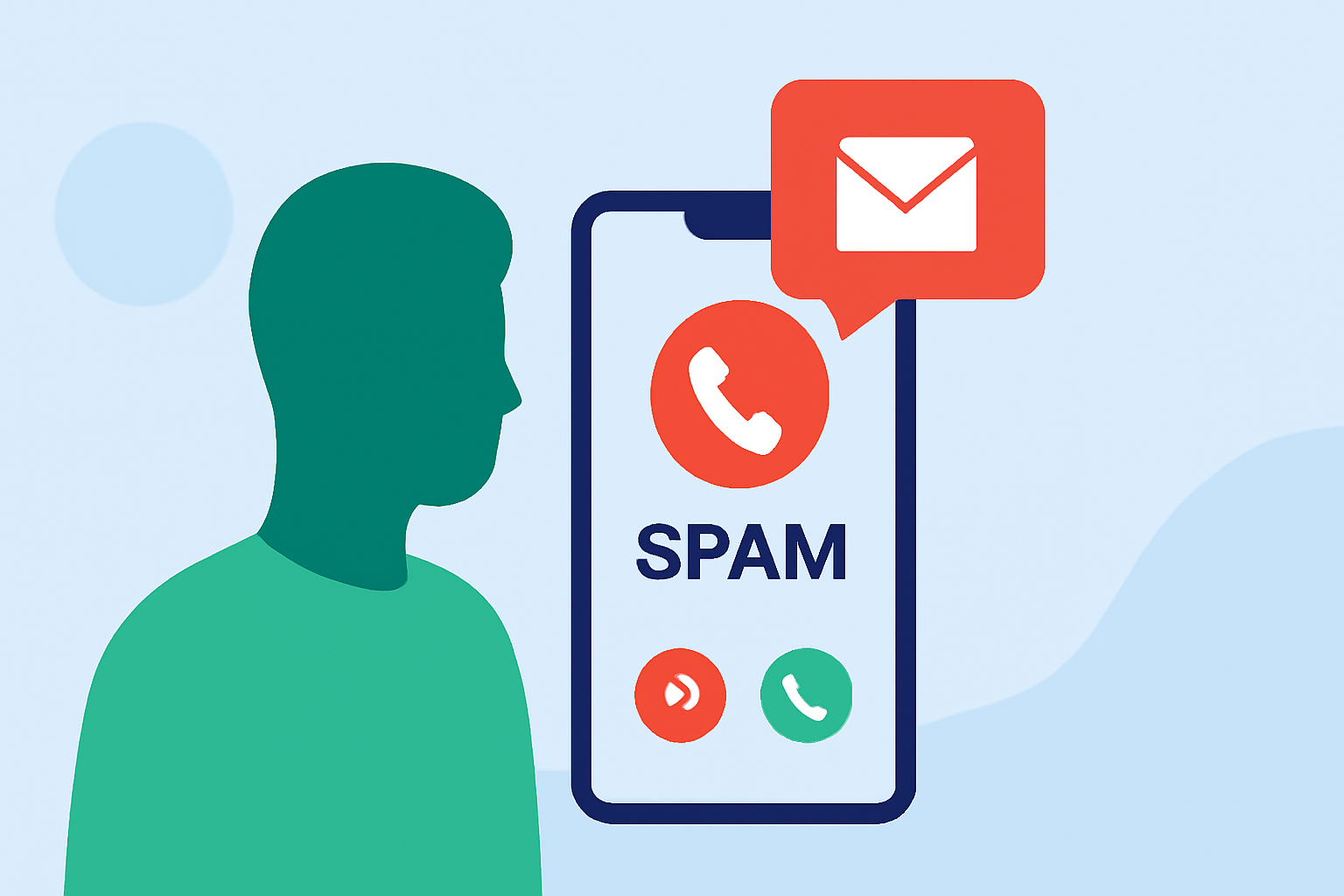
Modern smartphones offer features to block or silence unknown callers. For instance, iPhones have a "Silence Unknown Callers" option, and Android devices allow you to block calls from unknown numbers. (consumerreports.org)
3. Employ Call-Blocking Apps
Dedicated apps can identify and block spam calls. Robokiller, for example, uses advanced algorithms to detect and block unwanted calls, including charity spam. Its real-time scam call database updates help keep you protected. (robokiller.com)
4. Be Cautious with Caller Information
When receiving unsolicited charity calls, ask for the charity's exact name, website, and mailing address. Verify this information independently before considering a donation. (consumer.ftc.gov)
5. Report Suspicious Calls
If you encounter fraudulent charity calls, report them to the Federal Trade Commission (FTC) through their complaint assistant. This helps authorities take action against scammers. (consumer.ftc.gov)
By implementing these measures, you can significantly reduce the impact of charity spam calls and ensure your generosity reaches legitimate causes.
Highlights:
- DEPARTMENT OF THE ATTORNEY GENERAL, Published on Monday, April 20
- TEST-Charitable Asset Protection | Washington State
- What To Do When a Charity Calls | Charity Navigator