Bank scam calls, also known as "vishing," are fraudulent attempts by scammers to obtain sensitive information by impersonating legitimate financial institutions. These scams can lead to significant financial loss and identity theft. Understanding how to recognize and respond to such calls is crucial for safeguarding your personal and financial information.
What Are Bank Scam Calls?
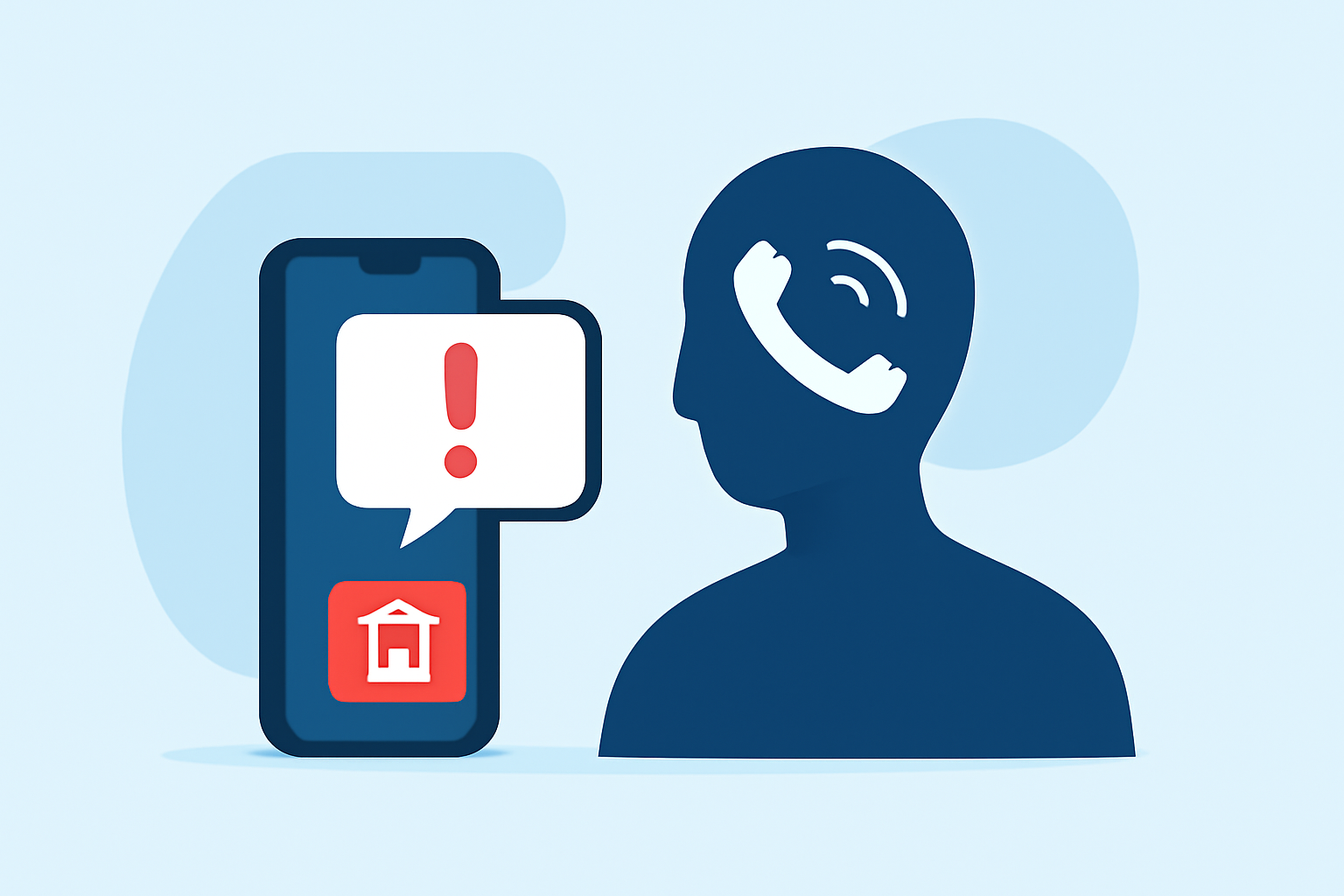
Bank scam calls involve fraudsters posing as bank representatives to trick individuals into revealing confidential information, such as account numbers, passwords, or Social Security numbers. They may claim to be from your bank's fraud department, informing you of suspicious activity on your account and requesting immediate action. These calls often create a sense of urgency to pressure you into compliance.
How Can You Identify a Bank Scam Call?
Recognizing the signs of a scam call is the first step in protecting yourself:
-
Unsolicited Requests for Sensitive Information: Legitimate banks will never ask for personal information like passwords or PINs over the phone. (citizensbank.com)
-
Urgent Language: Scammers often use high-pressure tactics, claiming immediate action is required to prevent account suspension or fraud.
-
Unfamiliar Caller ID: Be cautious of calls from numbers you don't recognize, especially if they claim to be from your bank.
What Should You Do If You Receive a Suspicious Call?
If you suspect a call is a scam, follow these steps:
-
Hang Up Immediately: Do not engage with the caller.
-
Contact Your Bank Directly: Use the official contact information from your bank's website or your account statements to reach out.
-
Verify the Claim: Ask your bank if they initiated the call and if there are any issues with your account.
-
Report the Incident: Inform your bank about the suspicious call to help them monitor for fraudulent activity.
How Can You Block Unwanted Calls?
Implementing call-blocking measures can reduce the number of scam calls you receive:
-
Use Call-Blocking Apps: Install reputable apps that identify and block scam calls. (consumer.ftc.gov)
-
Enable Call Labeling: Some apps and phone services can label potential scam calls, allowing you to decide whether to answer.
-
Register with the National Do Not Call Registry: While this won't eliminate all scam calls, it can reduce the number of unsolicited calls you receive.
How Can You Educate Yourself and Others About Bank Scam Calls?
Staying informed is key to prevention:
-
Stay Updated on Common Scams: Regularly check resources like the Federal Trade Commission's website for information on current scams. (consumer.ftc.gov)
-
Educate Family and Friends: Share information about recognizing and responding to scam calls to help protect your community.
How Does Robokiller Help Protect Against Scam Calls?
Robokiller is a leading call-blocking app that uses advanced algorithms and a vast database of known scam numbers to identify and block unwanted calls, including bank scam calls. By analyzing patterns and behaviors, Robokiller effectively reduces the number of scam calls reaching your phone. Its user-friendly interface and real-time updates ensure that you stay protected against evolving scam tactics.
What Are the Benefits of Using Robokiller Over Other Call-Blocking Apps?
Robokiller offers several advantages:
-
Comprehensive Database: Regularly updated to include new scam numbers and tactics.
-
Advanced Detection Algorithms: Utilizes machine learning to improve accuracy in identifying scam calls.
-
User-Friendly Interface: Easy to set up and customize according to your preferences.
-
Real-Time Alerts: Notifies you immediately when a scam call is detected.
By implementing these strategies and utilizing tools like Robokiller, you can significantly reduce the risk of falling victim to bank scam calls and protect your personal and financial information.