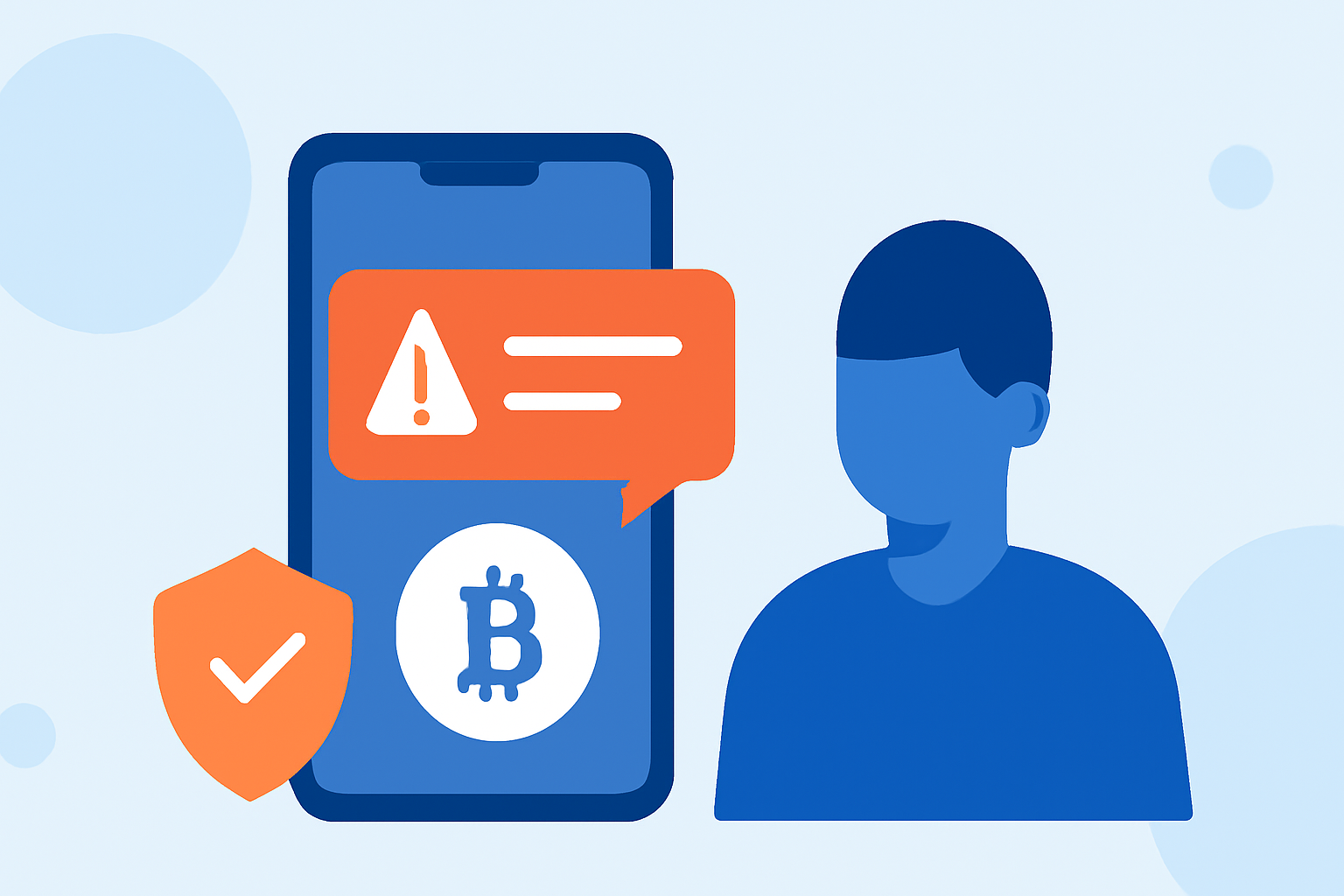
Cryptocurrency scams are on the rise, with fraudsters increasingly using text messages to deceive individuals. In 2024, consumers lost $470 million to scam texts, a 26% increase from the previous year. (mcafee.com) These scams often involve impersonation, false investment promises, and technical exploitation. (fidelity.com)
What Are Crypto Scam Texts?
Crypto scam texts are fraudulent messages that appear to be from legitimate cryptocurrency platforms or financial institutions. They may claim to alert you about suspicious account activity, offer investment opportunities with guaranteed returns, or request personal information. The goal is to trick you into providing sensitive data or making financial transactions that benefit the scammer.
How Do Scammers Operate?
Scammers often impersonate trusted entities, such as well-known cryptocurrency exchanges or financial institutions, to gain your trust. They may send unsolicited messages via SMS, email, or messaging apps, urging you to click on links, download attachments, or share personal information. These messages often create a sense of urgency, pressuring you to act quickly without due consideration. (fidelity.com)
How Can You Protect Yourself?
-
Be Skeptical of Unsolicited Messages: Treat unexpected messages claiming to be from financial institutions or cryptocurrency platforms with caution. Legitimate companies typically do not contact customers via text message for sensitive information. (fidelity.com)
-
Verify the Source: If you receive a suspicious message, do not click on any links or provide personal information. Instead, contact the company directly using official contact details from their website. (cftc.gov)
-
Enable Multi-Factor Authentication (MFA): Adding an extra layer of security to your accounts can help prevent unauthorized access, even if your login credentials are compromised. (fidelity.com)
-
Use Spam Filters and Blockers: Activate built-in spam filters on your phone and consider using third-party apps to block unwanted messages. Reporting suspicious messages to your carrier can also help reduce spam. (mcafee.com)
-
Educate Yourself About Common Scams: Familiarize yourself with typical scam tactics, such as fake investment opportunities and impersonation schemes, so you can recognize them more easily. (fidelity.com)
What Should You Do If You Receive a Scam Text?
-
Do Not Respond: Engaging with the scammer can lead to more unwanted messages and potential security risks.
-
Delete the Message: Remove the suspicious message from your device to prevent accidental interaction.
-
Report the Scam: Inform your mobile carrier by forwarding the message to 7726 (SPAM). This helps them take action against the scammer. (mcafee.com)
How Can Robokiller Help?
Robokiller is a leading solution in blocking unwanted calls and texts, including scam messages. By using advanced algorithms and a comprehensive database of known scam numbers, Robokiller effectively filters out fraudulent communications, providing users with a safer mobile experience.
Conclusion
As cryptocurrency scams become more sophisticated, staying vigilant and informed is crucial. By recognizing the signs of scam texts and implementing protective measures, you can safeguard your personal and financial information from fraudulent activities.
Highlights:
- Don't Fall for the Coinbase Text Scam: Here's How to Protect Yourself | CoinCodex, Published on Tuesday, November 18
- CFTC Warns of Potential Dangers for Messaging App Users | CFTC, Published on Wednesday, October 30
- PRESS RELEASE, Published on Saturday, December 06