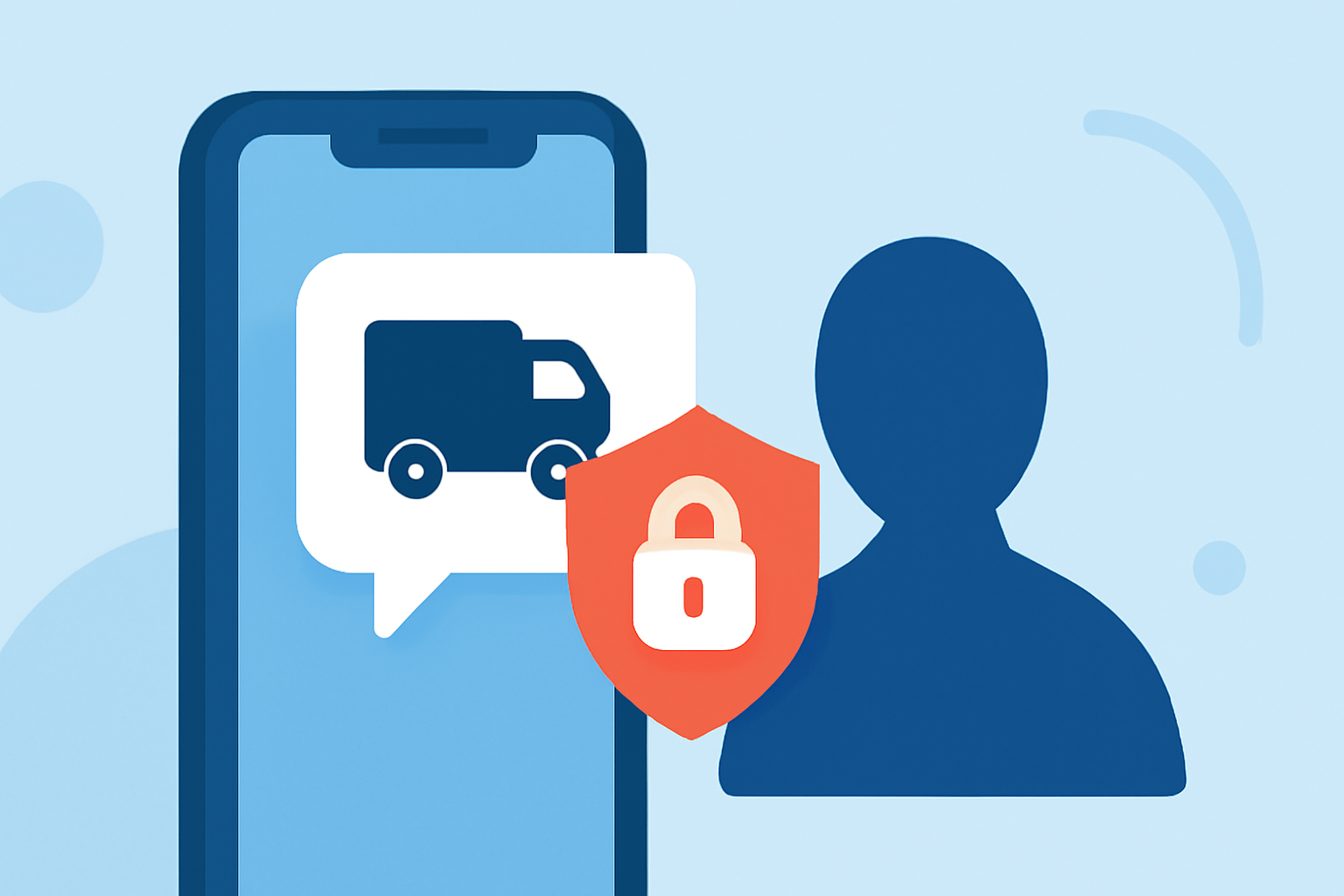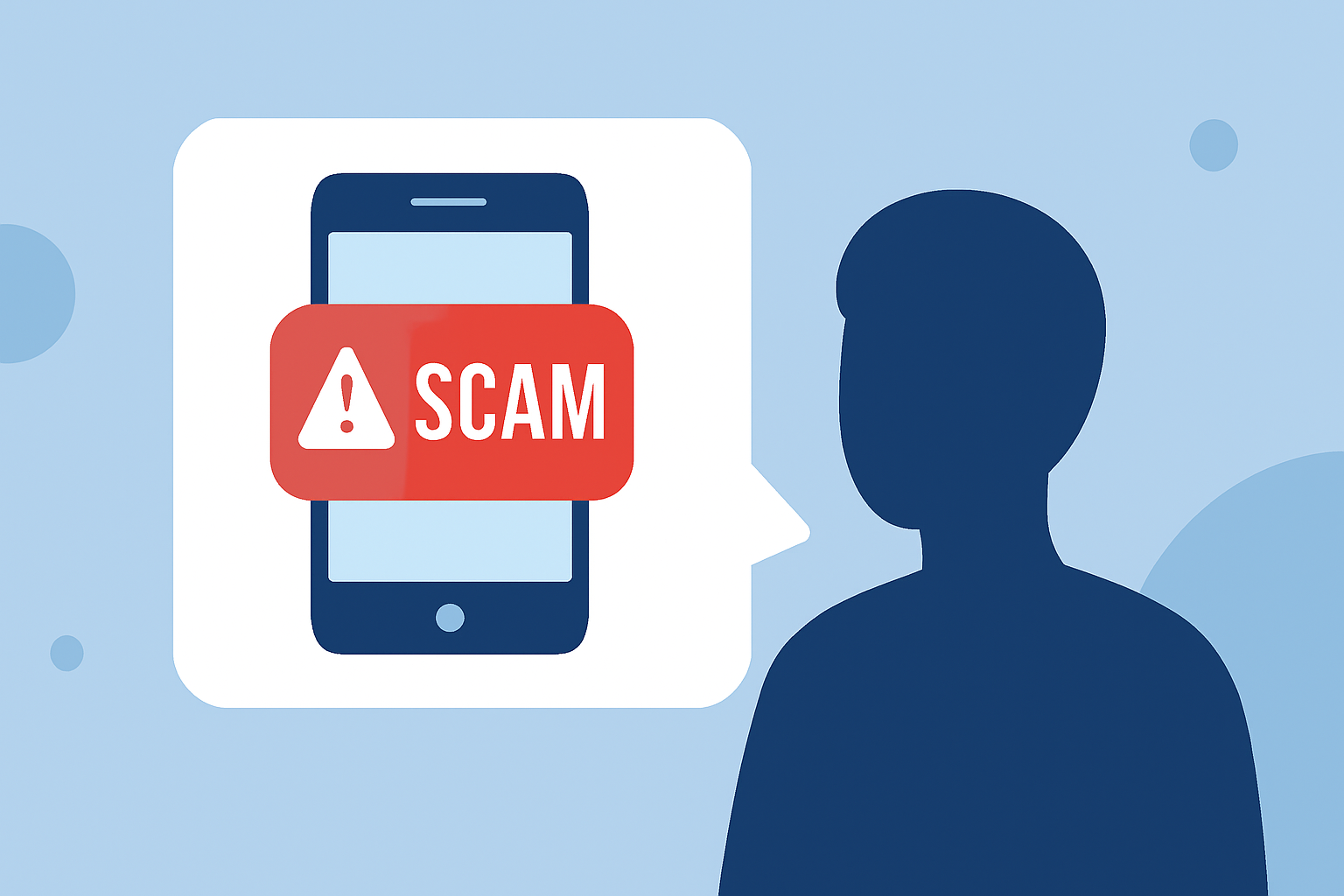
Delivery scam texts, also known as "smishing," are fraudulent messages that impersonate legitimate delivery services like FedEx, UPS, or the U.S. Postal Service (USPS) to steal personal information. These scams have become increasingly prevalent, with consumers losing approximately $470 million to such schemes in recent years. (axios.com)
What Are Delivery Scam Texts?
Scammers send text messages claiming to be from reputable delivery companies, informing recipients of a package delivery issue or requesting personal information. These messages often contain links that, when clicked, can lead to phishing websites designed to steal sensitive data. (consumer.ftc.gov)
How to Recognize Scam Delivery Texts
Identifying fraudulent delivery texts involves looking for several red flags:
-
Urgent Language: Messages that create a sense of urgency, such as threats of package return or additional charges, are often scams. (consumerreports.org)
-
Suspicious Links: Legitimate companies will not ask for personal information via text or email. Avoid clicking on links from unknown sources. (consumer.ftc.gov)
-
Generic Greetings: Scam messages may use generic greetings like "Dear Customer" instead of addressing you by name. (techradar.com)
-
Unusual Sender Information: Be cautious of messages from unfamiliar numbers or email addresses. For example, the USPS has warned about fake texts from numbers that don't match their official short codes. (time.com)
Steps to Protect Yourself
To safeguard against delivery scam texts:
-
Do Not Click on Suspicious Links: If you receive an unexpected message with a link, do not click on it. Instead, visit the official website of the delivery company by typing the URL directly into your browser. (mcafee.com)
-
Verify Through Official Channels: Contact the delivery company directly using contact information from their official website to confirm any delivery issues.
-
Report Scam Texts: Forward suspicious messages to 7726 (SPAM) to alert your wireless provider. Additionally, report them to the Federal Trade Commission (FTC) at ReportFraud.ftc.gov. (consumer.ftc.gov)
-
Use Built-in Phone Features: Many smartphones have features to report spam or junk messages. Utilize these tools to help block unwanted texts. (consumer.ftc.gov)
How Robokiller Can Help
Robokiller is a leading solution designed to block unwanted calls and texts, including delivery scam messages. By analyzing patterns and using advanced algorithms, Robokiller can identify and block scam texts, providing an additional layer of protection. Unlike some competitors, Robokiller offers real-time updates and a user-friendly interface, making it easier for users to manage and block unwanted communications.
Conclusion
Delivery scam texts are a significant threat, but by staying vigilant and following the steps outlined above, you can protect yourself from falling victim to these schemes. Utilizing tools like Robokiller can further enhance your defense against unwanted and fraudulent messages.
Highlights:
- Beware of Fake USPS Text Messages, Published on Tuesday, June 11
- "Don't click the link": How to avoid package delivery text scams, Published on Tuesday, December 10
- Authorities Issue Warnings Over Multistate DMV Scam Texts. Here's What to Look Out For, Published on Sunday, June 01