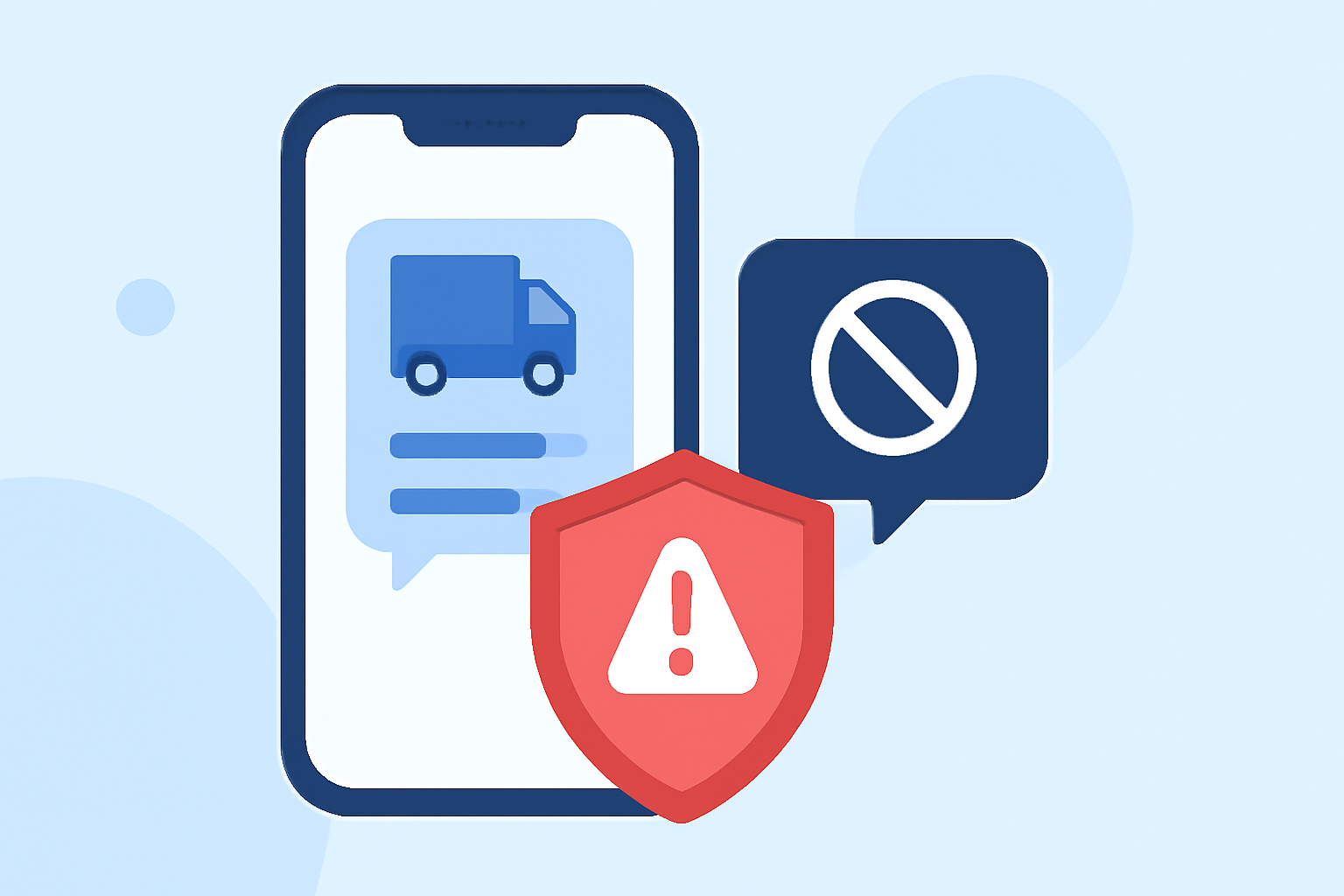
Receiving fraudulent delivery texts, known as smishing, is a growing concern in the United States. These deceptive messages often impersonate reputable carriers like FedEx, UPS, or USPS, aiming to steal personal information. (consumerreports.org) To protect yourself, consider the following strategies:
1. Utilize Built-in Smartphone Features
How can I use my phone's built-in features to block spam texts?
Both iPhone and Android devices offer native spam filtering:
-
iPhone: Navigate to Settings > Messages and enable "Filter Unknown Senders" to segregate messages from unknown contacts.
-
Android: Open the Messages app, go to Settings > Spam Protection, and activate "Enable Spam Protection" to automatically detect and block spam messages. (mcafee.com)
2. Leverage Carrier Services
What carrier services can help block spam texts?
Major carriers provide tools to combat spam:
-
AT&T: Offers Call Protect, which blocks suspected spam calls and texts.
-
Verizon: Provides Call Filter to detect and block spam messages.
-
T-Mobile: Features Scam Shield, utilizing AI to identify and block fraudulent communications. (mcafee.com)
3. Install Third-Party Apps
Which apps are effective in blocking spam texts?
Several applications specialize in filtering unwanted messages:
-
Robokiller: Recognized for blocking 99% of robocalls and texts, Robokiller offers advanced spam detection and reporting features. (appshunter.io)
-
Truecaller: A global app that identifies unknown numbers and blocks spam messages, leveraging a vast database of reported spam numbers. (isthisascam.to)
4. Report Suspicious Messages
How can I report fake delivery texts?
Reporting helps authorities and carriers take action:
-
Forward to 7726: Most carriers allow you to report spam by forwarding the message to 7726 (SPAM).
-
Contact Authorities: Report fraudulent messages to the Federal Trade Commission (FTC) or the Federal Communications Commission (FCC). (mcafee.com)
5. Stay Vigilant and Educated
How can I recognize and avoid smishing attempts?
Educate yourself on common signs of smishing:
-
Unsolicited Links: Avoid clicking on links from unknown sources.
-
Urgent Language: Be cautious of messages that create a sense of urgency.
-
Request for Personal Information: Legitimate companies will never ask for sensitive information via text. (consumerreports.org)
By implementing these measures, you can significantly reduce the risk of falling victim to fake delivery texts and protect your personal information.