Receiving unexpected text messages claiming to be from delivery services like USPS, FedEx, or UPS can be alarming. These messages often contain links or requests for personal information, aiming to deceive you into providing sensitive data. Understanding how to recognize and respond to these scams is crucial for protecting yourself.
What Are Fake Package Delivery Text Scams?
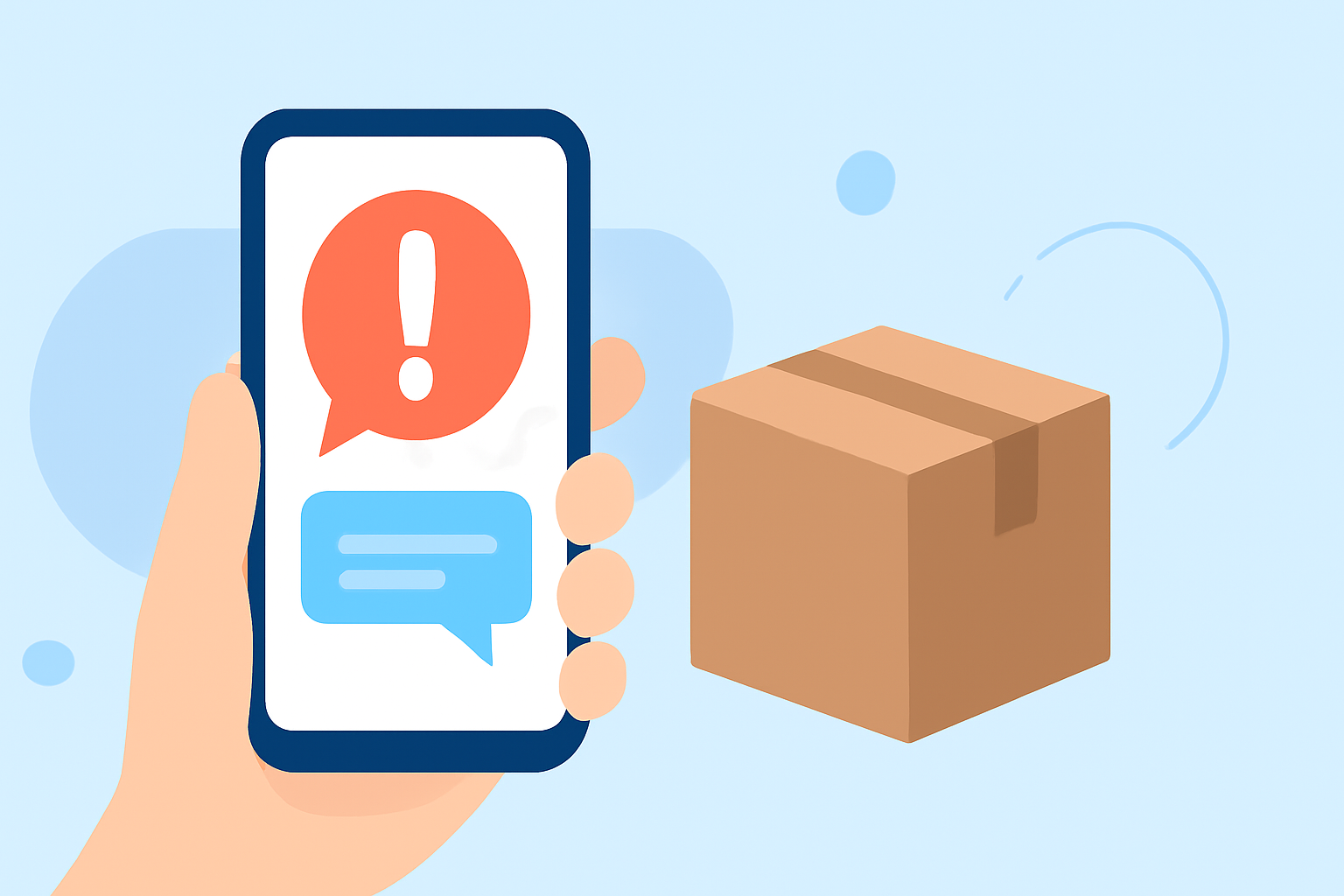
Fake package delivery text scams, also known as "smishing," involve fraudulent messages that impersonate legitimate delivery services. Scammers send texts claiming there's an issue with your package delivery, such as a missed delivery or a need to update shipping preferences. These messages typically include a link that, when clicked, directs you to a counterfeit website designed to steal your personal or financial information. (consumer.ftc.gov)
How to Recognize a Fake Delivery Text
Identifying a fraudulent delivery text involves looking for several red flags:
-
Unsolicited Messages: Legitimate delivery services usually don't send unsolicited texts about deliveries unless you've opted in for notifications.
-
Urgent Language: Scammers often use phrases like "urgent action required" to pressure you into immediate action.
-
Suspicious Links: The message may contain a link that, when hovered over, reveals a suspicious or misspelled URL.
-
Requests for Personal Information: Legitimate companies will never ask for sensitive information via text message.
For example, a scam text might read: "Your USPS package is on hold due to incomplete address information. Please confirm your address at [URL]." This is a common tactic used by scammers to steal personal information. (bbb.org)
Steps to Protect Yourself
To safeguard your personal information and avoid falling victim to these scams, consider the following steps:
-
Verify Delivery Information Independently: If you receive a suspicious text about a delivery, do not click any links. Instead, visit the official website of the delivery service or retailer to check the status of your package. (consumer.ftc.gov)
-
Use Mobile Filters: Many smartphones offer features to filter and block texts from unknown senders. Enable these features to reduce the risk of receiving scam messages. (consumer.ftc.gov)
-
Report Suspicious Messages: Forward any suspicious text messages to 7726 (SPAM) to help your carrier track and block these numbers. Additionally, report scams to the Federal Trade Commission at ReportFraud.ftc.gov. (consumer.ftc.gov)
-
Monitor Financial Accounts: Regularly review your bank and credit card statements for unauthorized transactions, especially if you've interacted with a suspicious message.
How Robokiller Can Help
Robokiller is a leading solution in blocking unwanted calls and texts, including scam messages. By using Robokiller, you can significantly reduce the number of fraudulent texts you receive, providing an additional layer of protection against smishing attacks.
What to Do If You've Fallen Victim
If you believe you've provided personal or financial information to a scammer:
-
Contact Your Financial Institutions: Inform your bank or credit card company immediately to monitor and secure your accounts.
-
Report the Incident: Report the scam to the Federal Trade Commission at ReportFraud.ftc.gov.
-
Change Your Passwords: Update passwords for online accounts, especially those related to financial services.
Conclusion
Staying vigilant and informed is key to protecting yourself from fake package delivery text scams. By recognizing the signs of these scams and taking proactive measures, you can safeguard your personal information and avoid falling victim to fraudulent schemes.
Highlights:
- Beware of Fake USPS Text Messages, Published on Tuesday, June 11
- "Don't click the link": How to avoid package delivery text scams, Published on Tuesday, December 10
- How to avoid the No. 1 text message scam putting your money at risk, Published on Thursday, August 24