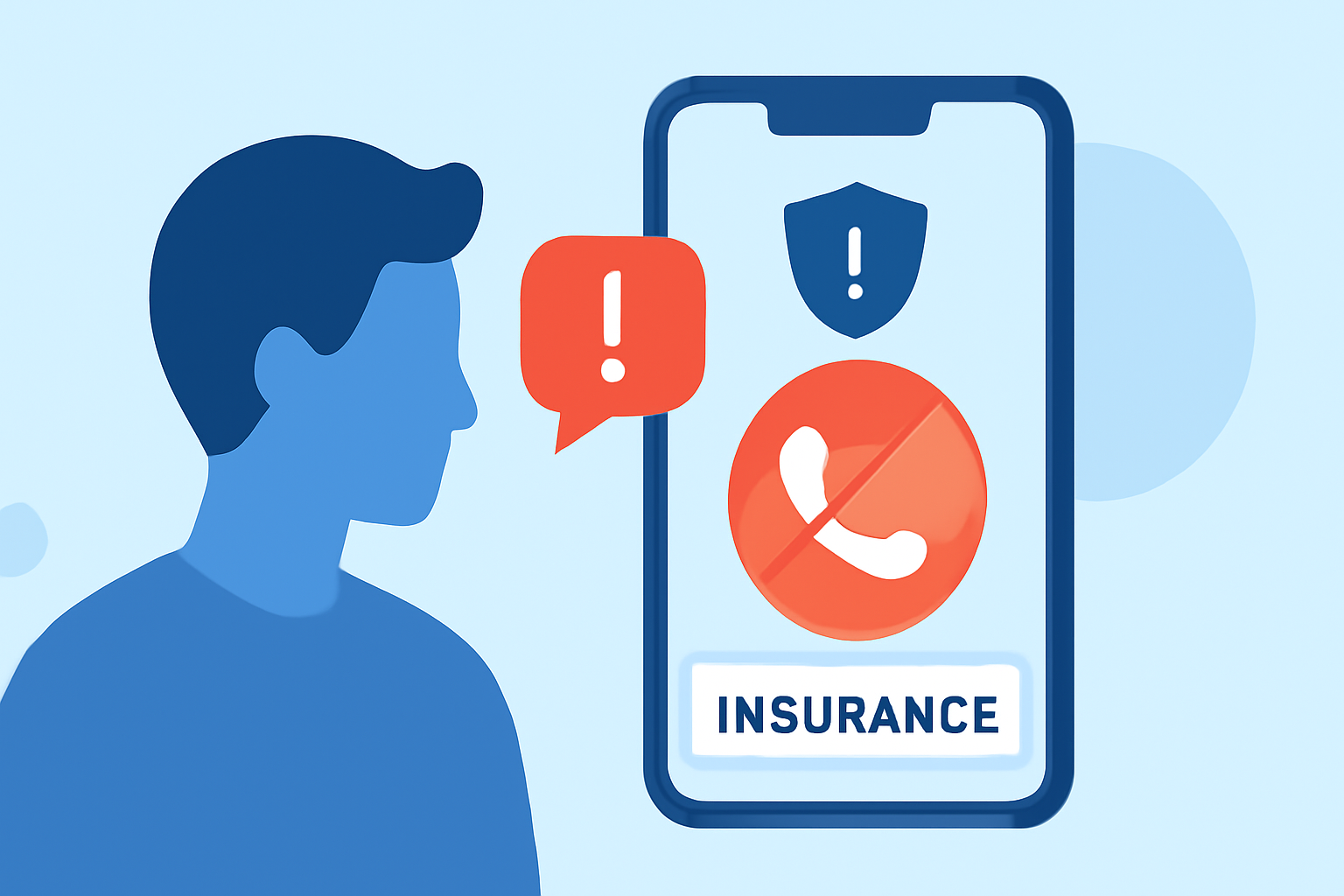
Insurance spam calls are a pervasive nuisance, often leading to scams and unwanted solicitations. To effectively protect yourself, consider implementing the following strategies:
How Can You Block Insurance Spam Calls? (us.norton.com)
1. Register with the National Do Not Call Registry
By adding your number to the National Do Not Call Registry, you can reduce unsolicited calls. While this won't eliminate all spam calls, it significantly decreases them. Registration is free and permanent. (whocalledus.net)
2. Utilize Built-in Phone Features
-
iPhone Users: Activate the "Silence Unknown Callers" feature to automatically silence calls from unknown numbers. (us.norton.com)
-
Android Users: Enable the "Caller ID & Spam" feature in the Phone app settings to identify and block potential spam calls. (us.norton.com)
3. Leverage Carrier Services
Many mobile carriers offer services to block or identify spam calls:
-
T-Mobile: Offers Scam Shield, which provides Scam ID and Scam Block features to identify and block suspicious calls. (nasdaq.com)
-
AT&T: Provides Call Protect, which displays a "V" for verified calls and blocks potentially fraudulent ones. (consumerreports.org)
4. Install Third-Party Call-Blocking Apps
These apps maintain databases of known spam numbers and can block or alert you to potential spam calls:
-
Hiya: Partners with carriers like AT&T and T-Mobile to offer spam detection services. (blog.youmail.com)
-
YouMail: Recognized for its real-time scam call database updates and voicemail protection. (blog.youmail.com)
How Can You Recognize and Avoid Insurance Phone Scams? (legalclarity.org)
1. Be Cautious of Unsolicited Calls
Legitimate insurance companies typically don't initiate unsolicited calls. If you receive an unexpected call offering insurance services, it's wise to be skeptical.
2. Watch for Red Flags
-
Pressure Tactics: Scammers often create a sense of urgency, pressuring you to make quick decisions.
-
Requests for Personal Information: Be wary if the caller asks for sensitive details like Social Security numbers or bank account information.
3. Verify the Caller
If you suspect a call is a scam, hang up and contact the insurance company directly using a verified phone number from their official website or your insurance card.
What Should You Do if You Receive a Spam Call? (cvcde.com)
1. Do Not Engage
Avoid interacting with the caller. Do not press any keys or provide any information.
2. Report the Call
Reporting spam calls helps authorities track and take action against scammers:
-
Federal Trade Commission (FTC): File a complaint at donotcall.gov.
-
Federal Communications Commission (FCC): Report robocalls and spoofed calls at consumercomplaints.fcc.gov.
3. Block the Number
After reporting, block the number to prevent future calls.
How Can You Protect Yourself from Future Spam Calls? (carinsurance.com)
1. Be Selective with Your Information
When providing your phone number, ensure it's to trusted sources. Be cautious of websites or services that may sell your contact information.
2. Regularly Update Your Call-Blocking Tools
Keep your call-blocking apps and carrier services updated to ensure they have the latest spam numbers.
3. Educate Yourself and Others
Stay informed about common scam tactics and share this knowledge with friends and family to help protect them as well.
By implementing these strategies, you can significantly reduce the number of insurance spam calls you receive and protect yourself from potential scams.
Highlights:
- T-Mobile Report: Un-carrier Customers Protected from Over 19 Billion Scam Calls in 2023 | Nasdaq, Published on Tuesday, February 27
- Who is Winning the Fight Against Robocalls? The Best Call-Blocking Apps & Tools in 2025 - YouMail Blog, Published on Thursday, February 13
- The Best Ways to Block Robocalls - Consumer Reports