Receiving unsolicited calls claiming to be from the Internal Revenue Service (IRS) is a common tactic used by scammers to steal personal and financial information. Understanding how to recognize these fraudulent calls and knowing the appropriate steps to take can significantly reduce the risk of falling victim to such scams.
What Are IRS Scam Calls?
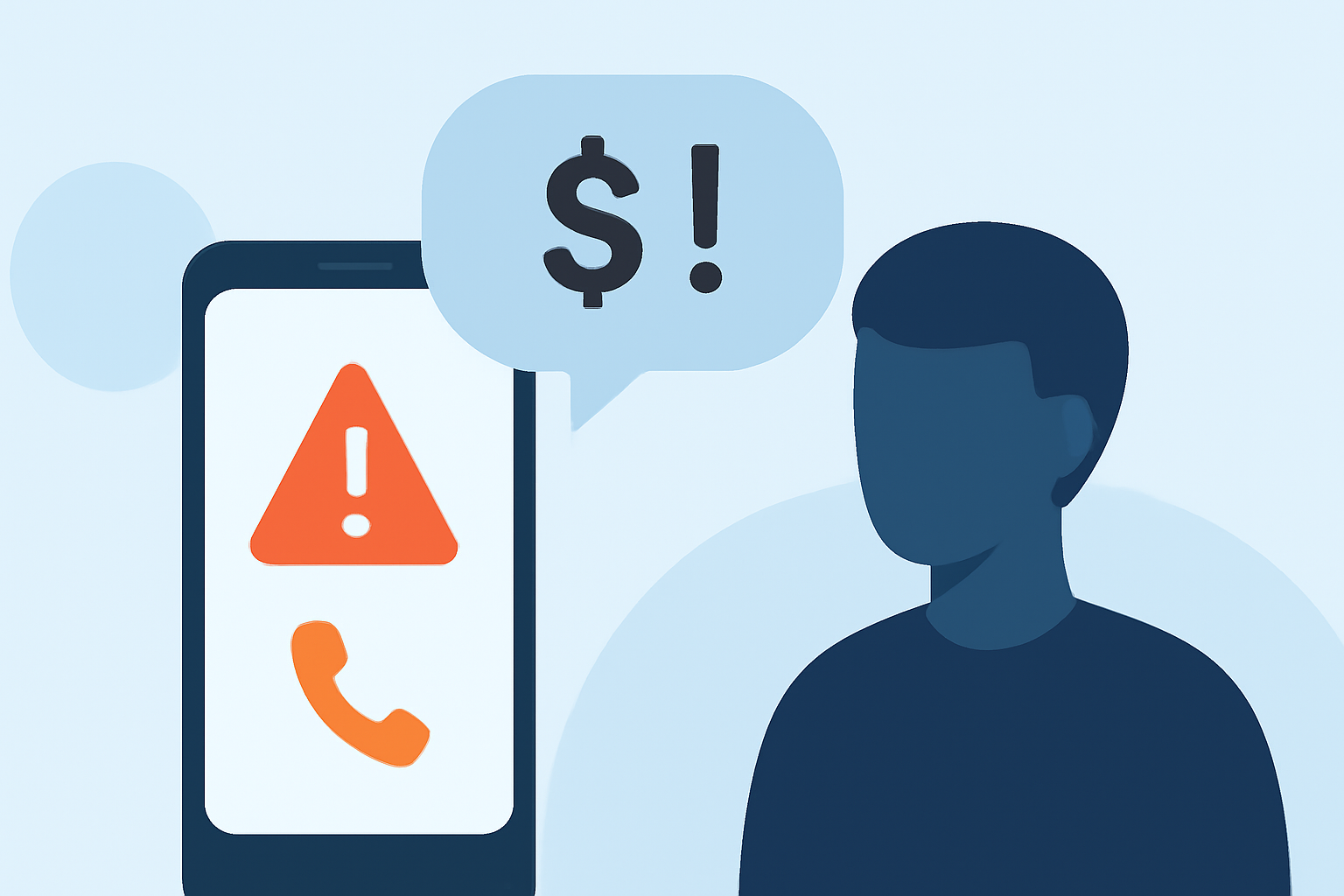
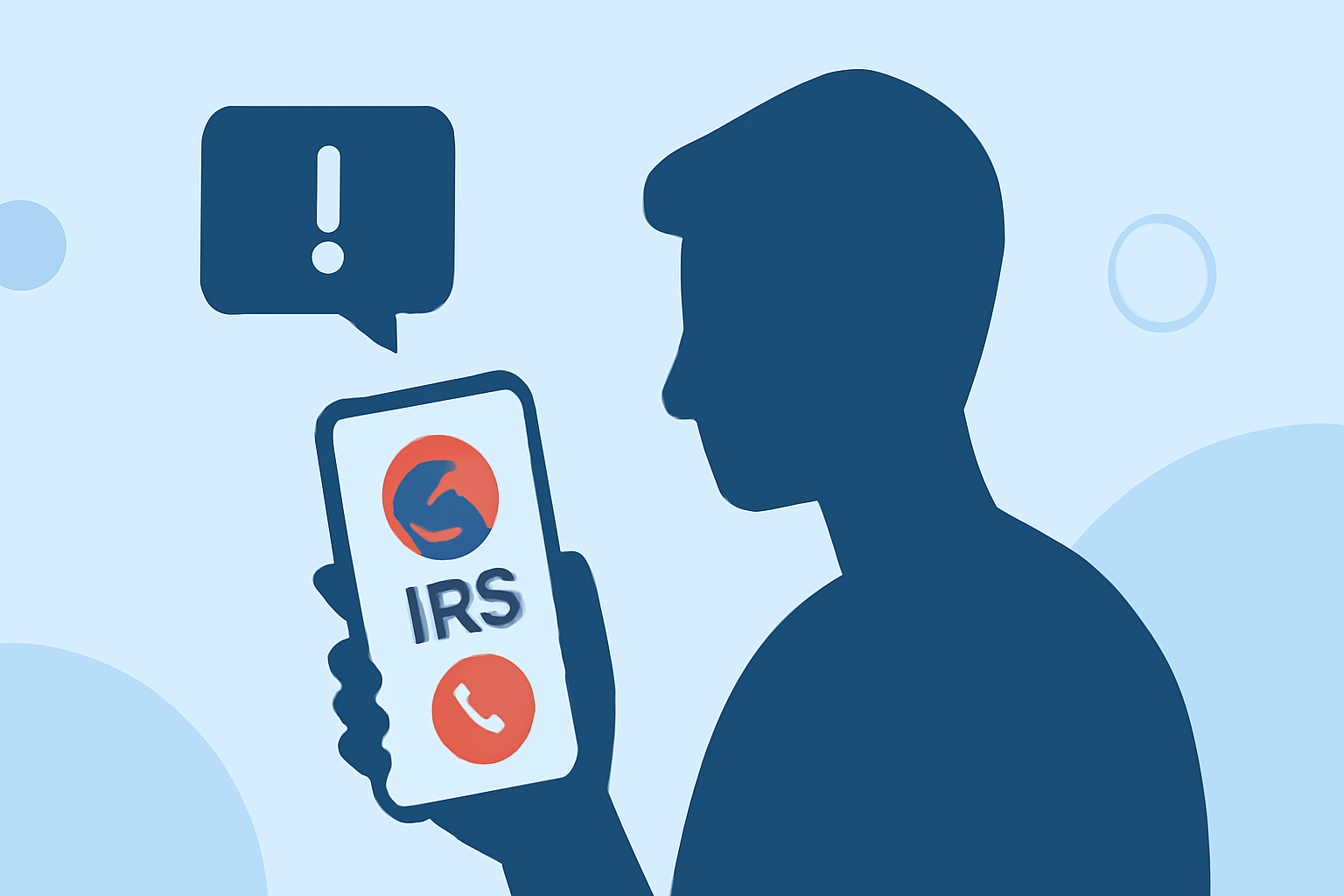
IRS scam calls involve individuals impersonating IRS agents to deceive taxpayers into providing sensitive information or making immediate payments. These scammers often use aggressive tactics, such as threatening arrest or demanding payment via unconventional methods like gift cards or wire transfers. It's crucial to recognize that the IRS will never contact taxpayers in this manner.
How Does the IRS Contact Taxpayers?
The IRS typically communicates with taxpayers through official mail sent via the United States Postal Service. This correspondence addresses issues like tax bills, audits, or refunds. The agency may also contact taxpayers by phone, but only under specific circumstances, such as following up on a previous written notice or if the taxpayer is represented by a tax professional. The IRS will never demand immediate payment using specific methods or threaten immediate punitive action, such as arrest or license revocation. (irs.gov)
Common Tactics Used by Scammers
Scammers employ various tactics to create a sense of urgency and manipulate individuals into compliance. Common strategies include:
-
Threats of Immediate Arrest or Legal Action: Claiming that the taxpayer will be arrested or face legal consequences if they don't pay immediately.
-
Demands for Unconventional Payment Methods: Requesting payment via gift cards, wire transfers, or cryptocurrency, which are difficult to trace and recover.
-
Requests for Personal Information: Seeking sensitive data like Social Security numbers, bank account details, or credit card information.
Steps to Protect Yourself
To safeguard your personal and financial information from IRS scam calls, consider the following actions:
-
Recognize Red Flags: Be wary of unsolicited calls demanding immediate payment or threatening legal action. The IRS will never contact you in this manner. (irs.gov)
-
Do Not Engage: If you receive a suspicious call, hang up immediately. Do not provide any personal or financial information.
-
Verify the Caller: If you have doubts about a call's legitimacy, contact the IRS directly using the contact information provided on their official website.
-
Report the Scam: Inform the Treasury Inspector General for Tax Administration (TIGTA) by calling 800-366-4484 or using their online reporting form. Additionally, report the incident to phishing@irs.gov with "IRS Phone Scam" in the subject line. (irs.gov)
How Robokiller Can Help
Robokiller is a leading solution designed to block unwanted and scam calls, including those from individuals impersonating the IRS. By utilizing advanced algorithms and a comprehensive database of known scam numbers, Robokiller effectively prevents these fraudulent calls from reaching your phone. This proactive approach allows you to focus on legitimate communications without the constant threat of scams.
Additional Resources
For more information on protecting yourself from IRS scams, consider the following resources:
-
IRS: Report Phishing and Online Scams
-
IRS: Tax Scams and Consumer Alerts
By staying informed and vigilant, you can effectively protect yourself from IRS scam calls and ensure your personal and financial information remains secure.
Beware of Scam Calls Claiming You Owe Back Taxes: How to Protect Yourself