Receiving unsolicited calls claiming to be from the Internal Revenue Service (IRS) can be alarming, especially for first-time recipients. These fraudulent calls often threaten arrest or demand immediate payment, preying on individuals' fears and lack of familiarity with IRS procedures. Understanding how to recognize, report, and prevent such scams is crucial for safeguarding your personal and financial information.
What Are IRS Scam Calls and How Do They Operate?
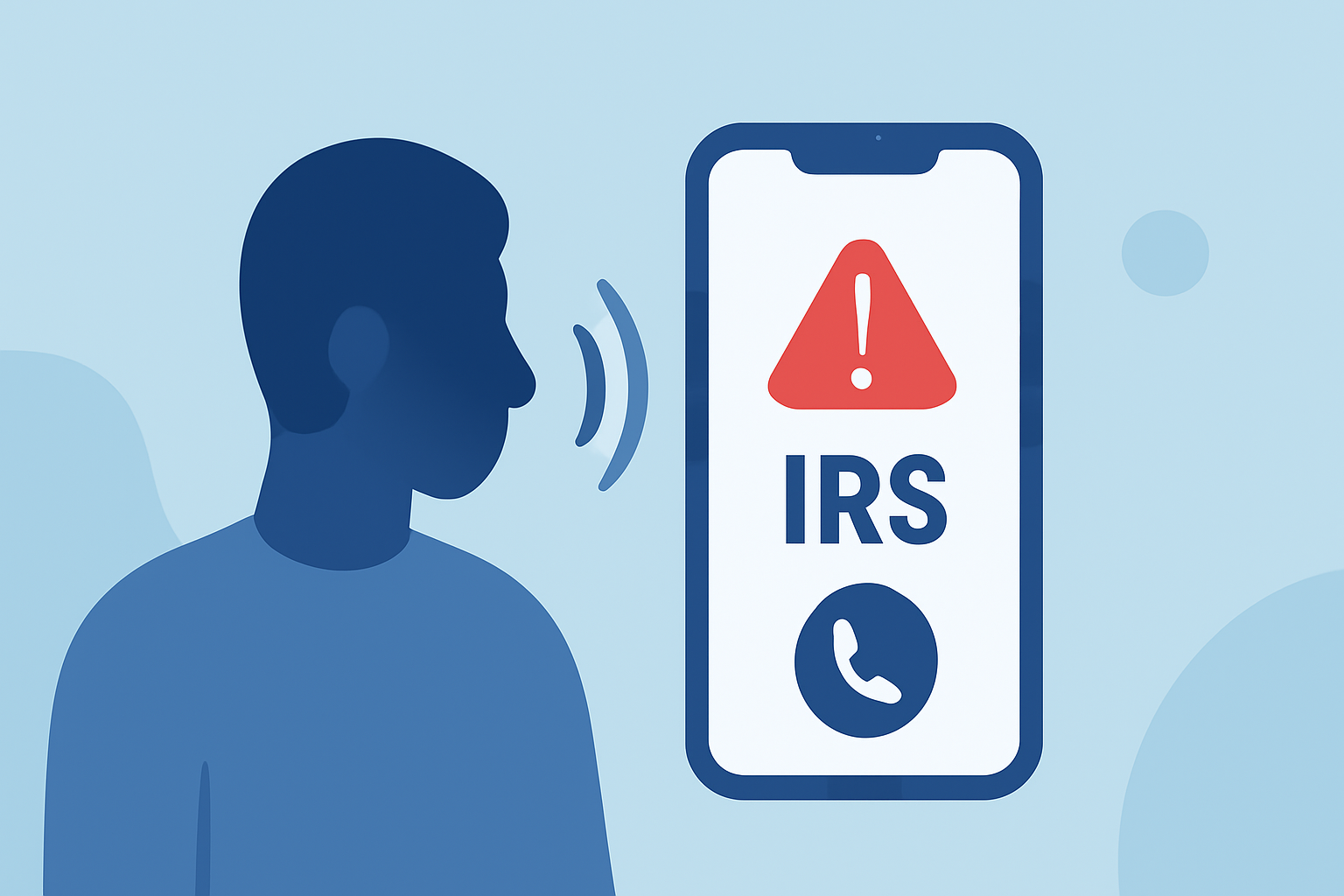
IRS scam calls are fraudulent communications where individuals impersonate IRS agents to deceive victims into providing sensitive information or making payments. These scammers may use tactics such as spoofing legitimate IRS phone numbers, creating fake IRS websites, or sending phishing emails and texts. They often claim that the victim owes back taxes and threaten legal action or arrest if immediate payment isn't made. It's important to note that the IRS will never initiate contact with taxpayers via email, text messages, or social media channels to request personal or financial information. (irs.gov)
How Can You Identify an IRS Scam Call?
Recognizing the signs of an IRS scam call is the first step in protecting yourself:
-
Unsolicited Contact: The IRS typically communicates with taxpayers through official letters sent via the U.S. Postal Service. They do not initiate contact by phone, email, or text message.
-
Threats of Immediate Arrest or Legal Action: Scammers often use high-pressure tactics, threatening arrest or legal consequences if payment isn't made immediately. The IRS does not operate in this manner.
-
Requests for Personal or Financial Information: Legitimate IRS agents will never ask for sensitive information like Social Security numbers, bank account details, or credit card numbers over the phone.
-
Unusual Payment Methods: Scammers may demand payment through unconventional methods such as gift cards, wire transfers, or cryptocurrency. The IRS does not accept these forms of payment.
What Should You Do If You Receive a Suspicious Call?
If you suspect you've received an IRS scam call, take the following steps:
-
Do Not Engage: Avoid providing any personal or financial information.
-
Record the Details: Note the caller's number, the content of the message, and any other relevant information.
-
Report the Incident: Inform the Treasury Inspector General for Tax Administration (TIGTA) by calling 800-366-4484 or visiting their website. Additionally, report the scam to the Federal Trade Commission (FTC) through their Complaint Assistant. (irs.gov)
How Can You Prevent IRS Scam Calls?
While it's challenging to completely eliminate scam calls, you can take proactive measures to reduce their frequency:
-
Register with the National Do Not Call Registry: This service allows you to opt out of receiving unsolicited calls from legitimate telemarketers. However, it may not stop scam calls.
-
Use Call-Blocking Apps: Applications like Robokiller can help identify and block known spam and scam calls. Robokiller uses a constantly updated global blacklist of known spam numbers, refreshing daily to automatically block calls from these numbers. It also detects and blocks spoofed calls that use fake Caller IDs to appear as trusted contacts. (support.robokiller.com)
-
Enable Call Screening Features: Some smartphones offer built-in call screening options that can help identify and block potential scam calls. For example, Robokiller's Call Screening feature screens unknown callers by informing them that your number is protected and asking for their name and the reason for the call. If the call seems legitimate, Robokiller shares the caller’s name and reason with you, so you can decide whether to answer. (support.robokiller.com)
How Does Robokiller Compare to Other Call-Blocking Solutions?
Robokiller stands out in the market for several reasons:
-
Comprehensive Protection: Robokiller blocks up to 99% of spam calls and texts, leveraging a global database of over 1.4 billion analyzed calls to protect users from known phone scams. (apps.apple.com)
-
Advanced Technology: The app employs AI-powered audio fingerprinting technology to identify and block spam calls, ensuring that only legitimate calls reach you. (apps.apple.com)
-
User Control: Robokiller allows users to customize their call-blocking preferences, including adding numbers to a safe list or blocked list, and provides features like Call Screening and Answer Bots to enhance user experience. (support.robokiller.com)
In comparison, other call-blocking solutions may not offer the same level of comprehensive protection or user customization. For instance, while some services may block known spam numbers, they might not provide features like Call Screening or Answer Bots, which can further reduce the impact of scam calls.
What Are the Legal Implications of Receiving an IRS Scam Call?
Receiving an IRS scam call does not make you liable for any legal consequences. However, if you engage with the scammer and provide personal or financial information, you may be at risk for identity theft or financial loss. It's essential to report such incidents to the appropriate authorities to help prevent others from falling victim to similar scams.
How Can You Educate Others About IRS Scam Calls?
Raising awareness about IRS scam calls is vital in preventing others from becoming victims:
-
Share Information: Discuss the characteristics of IRS scam calls with friends and family to help them recognize potential scams.
-
Report Scams: Encourage others to report suspicious calls to the IRS and the FTC. This collective effort can help authorities track and combat these fraudulent activities.
-
Stay Informed: Keep yourself and others updated on the latest scam tactics and IRS communication methods to stay ahead of potential threats.
By understanding the nature of IRS scam calls and implementing preventive measures, you can protect yourself and others from falling victim to these fraudulent schemes.
Highlights:
- No, Elon Musk doesn't want to give you a $5,000 tax refund - it's a scam, here's what to look out for, Published on Friday, April 10
- Tax scams are on the rise. Here's what to know, Published on Monday, March 16