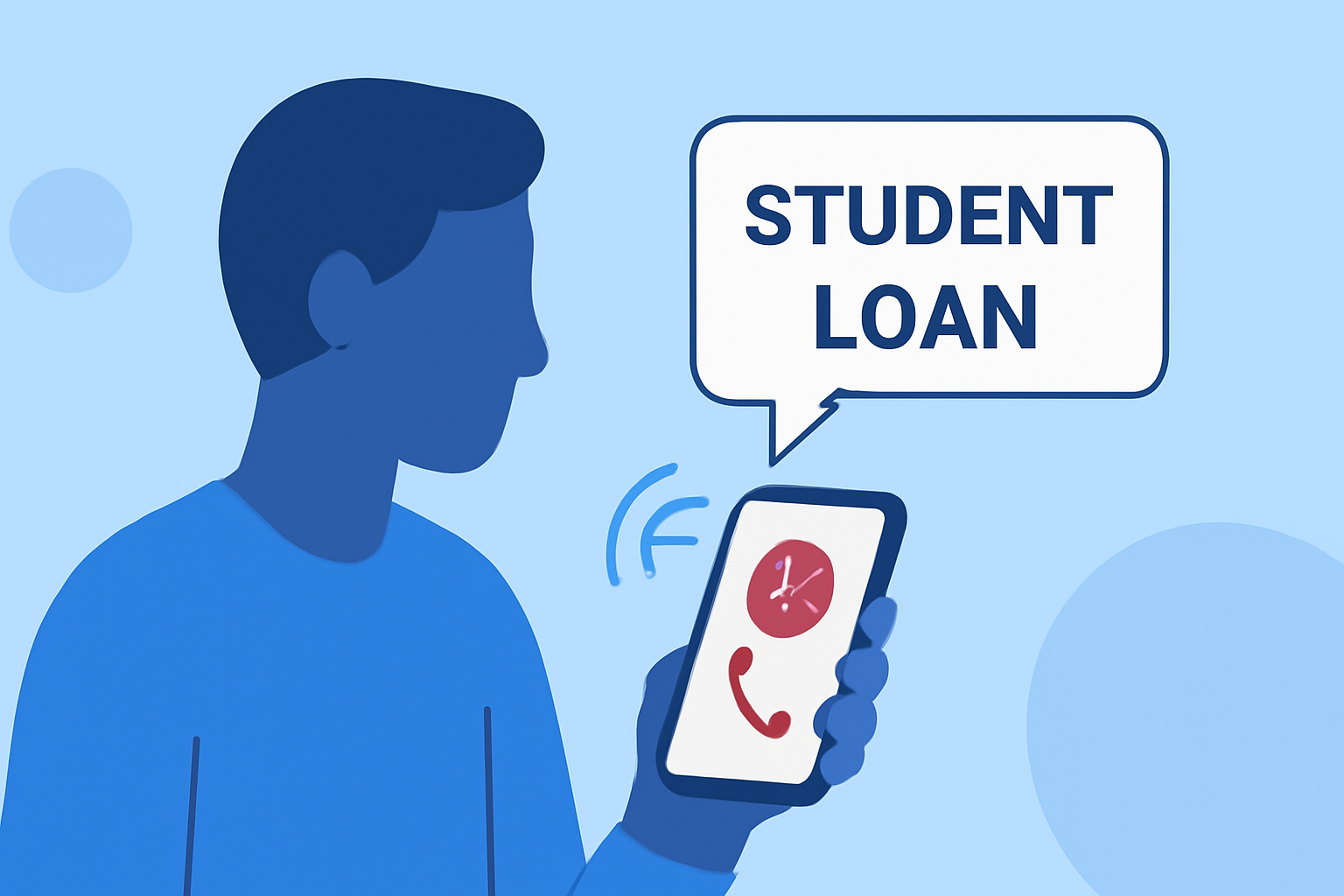
Student loan scam calls are a pervasive issue, with the Federal Trade Commission receiving 2.6 million fraud reports in 2023. (studentaid.gov) These fraudulent calls often promise immediate loan forgiveness or debt relief in exchange for upfront fees, preying on borrowers seeking financial relief. To protect yourself, consider the following strategies:
1. Recognize Common Scam Tactics
Scammers frequently employ certain tactics to deceive borrowers:
- Unsolicited Contact: Receiving unexpected calls, emails, or texts claiming to offer loan assistance.
- Upfront Fees: Demanding payment before providing any services, which is illegal for legitimate debt relief companies. (consumerfinance.gov)
- False Promises: Guaranteeing immediate loan forgiveness or debt cancellation, which is not possible outside of official government programs. (forbes.com)
2. Verify the Source of Communication
Always confirm the legitimacy of any communication regarding your student loans:
- Official Channels: Contact your loan servicer directly using the information provided on your loan statement or the Federal Student Aid website. (consumer.ftc.gov)
- Government Websites: Use official websites ending in
.govto access accurate information about loan forgiveness programs. (studentaid.gov)
3. Protect Your Personal Information
Safeguard your sensitive data to prevent identity theft:
- FSA ID: Never share your Federal Student Aid (FSA) ID, as it provides access to your loan information. (consumerfinance.gov)
- Personal Details: Avoid disclosing your Social Security number, bank account details, or credit card information to unverified sources.
4. Be Cautious of Upfront Fees
Legitimate loan assistance services do not require payment before providing help:
- Free Services: The U.S. Department of Education offers free assistance with loan management and repayment options. (consumer.ftc.gov)
- Nonprofit Organizations: Seek help from accredited nonprofit credit counseling agencies, which may charge a one-time fee for their services. (nerdwallet.com)
5. Report Suspicious Activity
If you encounter a potential scam, take action:
- Federal Trade Commission: Report fraudulent activities to the FTC to help protect others. (consumer.ftc.gov)
- State Authorities: Contact your state’s attorney general’s office to file a complaint.
6. Utilize Call Blocking Services
Implement tools to reduce unwanted scam calls:
- Robokiller: A market-leading solution that effectively blocks scam calls, including those related to student loans, by identifying and blocking fraudulent numbers.
Conclusion
By staying informed and vigilant, you can significantly reduce the risk of falling victim to student loan scam calls. Always verify the legitimacy of any communication, protect your personal information, and utilize available resources to manage your loans safely.
Highlights:
- Spotting student loan scams | Consumer Advice
- What are the signs of a student loan scam? | Consumer Financial Protection Bureau, Published on Sunday, May 21
- How To Avoid Student Loan Forgiveness Scams – Federal Student Aid