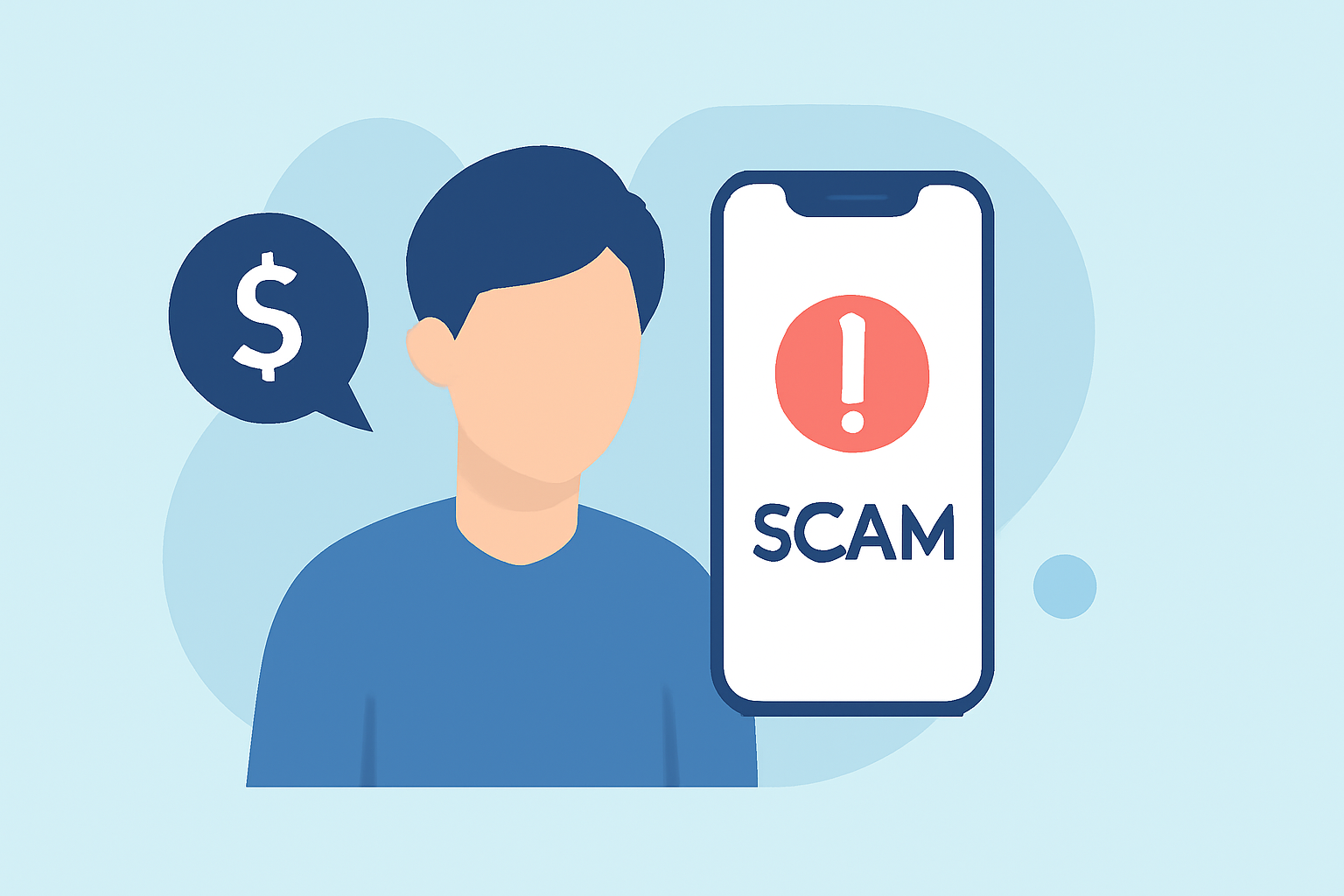
Student loan scam calls are a pervasive issue, with scammers employing various tactics to deceive borrowers. Recognizing these scams and taking proactive measures can significantly reduce the risk of falling victim.
What Are the Common Signs of Student Loan Scams?
Scammers often use aggressive tactics to target vulnerable borrowers. Be wary of calls that:
-
Pressure You to Pay Upfront Fees: Legitimate debt relief services do not charge fees before providing assistance. If a company demands payment upfront, it's likely a scam. (consumerfinance.gov)
-
Promise Immediate Loan Forgiveness: No company can guarantee immediate loan forgiveness. Such promises are often false and intended to deceive borrowers. (studentaid.gov)
-
Request Your Federal Student Aid (FSA) ID: Scammers may ask for your FSA ID to access your loan information. Never share this information, as it can lead to unauthorized access to your account. (consumerfinance.gov)
How Can You Block Unwanted Scam Calls?
Implementing call-blocking measures can help prevent scam calls from reaching you. Consider the following options:
-
Use Built-in Phone Features: Many smartphones offer features to block unknown or suspected scam calls. For instance, iPhones have a "Silence Unknown Callers" option, and Android devices often include spam filtering settings. (mcafee.com)
-
Register with the National Do Not Call Registry: While this won't stop all scam calls, it can reduce the number of legitimate telemarketing calls you receive. Registering is free and can be done online. (usa.gov)
-
Utilize Call-Blocking Apps: Third-party apps like Robokiller use AI and machine learning to identify and block potential scam calls and texts. These apps maintain an updated blocklist of scam numbers, enhancing your protection. (robokiller.com)
What Should You Do If You Receive a Suspected Scam Call?
If you suspect a call is a scam:
-
Hang Up Immediately: Do not engage with the caller. Responding can lead to more scam calls. (consumer.ftc.gov)
-
Report the Call: Inform the Federal Trade Commission (FTC) about the scam. This helps authorities track and combat fraudulent activities. (usa.gov)
-
Contact Your Loan Servicer: If you're uncertain about your loan status or repayment options, reach out directly to your loan servicer. They can provide accurate and up-to-date information. (studentaid.gov)
How Does Robokiller Enhance Your Protection Against Scam Calls?
Robokiller offers advanced features to safeguard against scam calls:
-
AI-Powered Call Blocking: Utilizing artificial intelligence, Robokiller identifies and blocks scam calls before they reach you. (robokiller.com)
-
Regularly Updated Blocklist: The app maintains a global blocklist of scam numbers, ensuring real-time protection.
-
User-Friendly Interface: Robokiller provides an intuitive interface, making it easy to manage and customize your call-blocking preferences.
By implementing these strategies and utilizing tools like Robokiller, you can significantly reduce the risk of student loan scam calls and protect your personal and financial information.