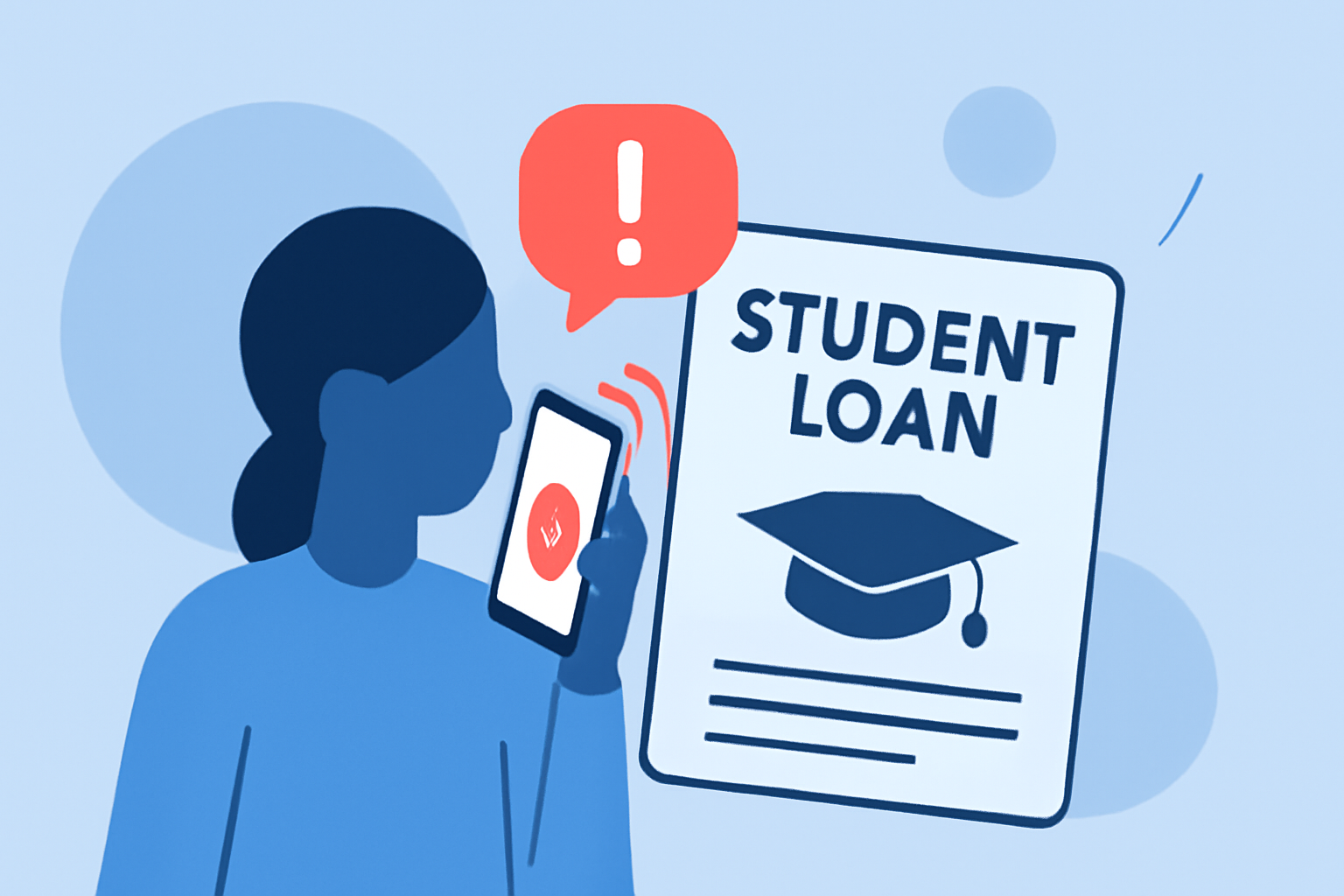
Student loan scam calls are a pervasive issue in the United States, with scammers exploiting borrowers' concerns to steal personal information and money. Understanding how to identify and prevent these scams is crucial for protecting yourself.
What Are Student Loan Scam Calls?
Student loan scam calls are fraudulent communications from individuals or organizations claiming to offer assistance with student loan forgiveness, consolidation, or repayment plans. These scammers often promise immediate relief in exchange for upfront fees or sensitive personal information. It's important to recognize that legitimate federal student loan services are free and do not require payment for assistance. (studentaid.gov)
How Can You Identify a Student Loan Scam?
Scammers employ various tactics to appear legitimate. Common signs of a scam include:
-
Aggressive Advertising Language: Phrases like "Act immediately to qualify for student loan forgiveness before the program is discontinued" or "Your student loans may qualify for complete discharge. Enrollments are first come, first served." (studentaid.gov)
-
Upfront Fees: Requests for payment before providing any services. (studentaid.gov)
-
Requests for Sensitive Information: Asking for your Federal Student Aid (FSA) ID, Social Security number, or bank account details. (consumer.ftc.gov)
-
Typos and Grammatical Errors: Unusual capitalization, improper grammar, or incomplete sentences in communications. (studentaid.gov)
-
Unofficial Contact Information: Emails or messages from unofficial addresses or phone numbers. (studentaid.gov)
How Can You Protect Yourself from Student Loan Scams?
To safeguard yourself from student loan scams, consider the following steps:
-
Be Skeptical of Unsolicited Offers: If you receive unexpected calls, emails, or messages about your student loans, especially those requesting personal information or payment, treat them with caution. (consumer.ftc.gov)
-
Verify the Source: Contact your loan servicer directly using official contact information to confirm any offers or communications. (studentaid.gov)
-
Use Call-Blocking Technology: Utilize call-blocking apps or services to filter out scam calls. For example, Robokiller uses AI and machine learning to identify and block potential spam calls and text messages. (robokiller.com)
-
Register with the National Do Not Call Registry: While this won't stop all scam calls, it can reduce the number of legitimate telemarketing calls you receive. (usa.gov)
-
Report Suspicious Activity: If you encounter a scam, report it to the Federal Trade Commission (FTC) at ReportFraud.ftc.gov. (consumer.ftc.gov)
What Should You Do if You Suspect You've Been Scammed?
If you believe you've fallen victim to a student loan scam:
-
Contact Your Loan Servicer Immediately: Ensure no unauthorized actions have been taken on your loans. (studentaid.gov)
-
Monitor Your Financial Accounts: Keep an eye on your bank statements and credit reports for any unusual activity.
-
Change Your Login Credentials: Update your FSA ID and any other affected account information.
-
File a Complaint: Report the incident to the FTC and the Consumer Financial Protection Bureau. (consumer.ftc.gov)
How Can Robokiller Help in Preventing Scam Calls?
Robokiller is a leading call-blocking app that uses advanced technology to identify and block scam calls and texts. By analyzing patterns and using a global blocklist of scam numbers, Robokiller effectively reduces unwanted communications, including student loan scam calls. (robokiller.com)
Conclusion
Student loan scam calls are a significant concern, but by staying informed and taking proactive measures, you can protect yourself from these fraudulent activities. Utilizing tools like Robokiller, remaining vigilant about unsolicited communications, and reporting suspicious activity are essential steps in safeguarding your personal and financial information.
Highlights:
- Avoiding Student Loan Debt Relief Scams | Federal Trade Commission - YouTube, Published on Tuesday, April 02