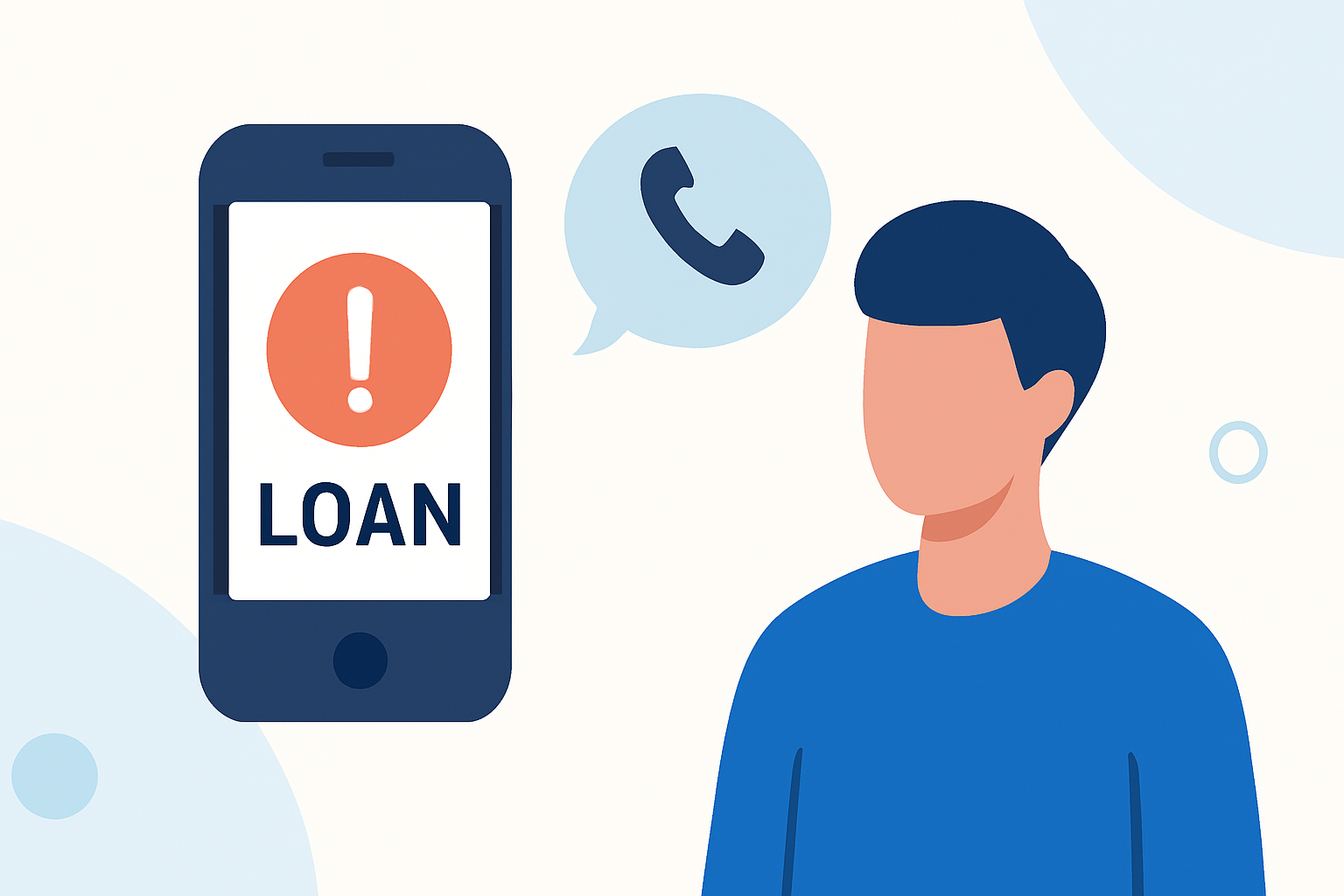
Student loan scam calls have become increasingly prevalent, especially as federal student loan repayments have resumed. These fraudulent calls often promise immediate debt relief or loan forgiveness, preying on borrowers' concerns about repayment. Understanding how to recognize and protect yourself from these scams is crucial.
What Are the Common Signs of Student Loan Scam Calls?
Scammers employ various tactics to deceive borrowers. Being aware of these signs can help you identify potential scams:
-
Upfront Fees: Legitimate debt relief services do not charge fees before providing assistance. If a company demands payment upfront, it's likely a scam. (consumerfinance.gov)
-
Immediate Loan Forgiveness Promises: Be cautious of offers claiming to eliminate your student loan debt quickly. Most government forgiveness programs require years of qualifying payments and employment in specific fields. (studentaid.gov)
-
Request for Personal Information: Scammers may ask for your Federal Student Aid (FSA) ID, Social Security number, or other sensitive details. The Department of Education and its partners will never ask for your FSA ID or password. (consumerfinance.gov)
-
False Affiliation Claims: Be wary of calls claiming to be from the Department of Education or your loan servicer. Scammers often use official-sounding names or logos to appear legitimate. (consumerfinance.gov)
How Can You Protect Yourself from Student Loan Scam Calls?
Taking proactive steps can significantly reduce the risk of falling victim to these scams:
-
Verify the Source: If you receive an unsolicited call or message about your student loans, contact your loan servicer directly using the contact information on your official loan statements or the Federal Student Aid website.
-
Do Not Share Personal Information: Never provide your FSA ID, Social Security number, or financial details to unsolicited callers. Legitimate organizations will not ask for this information over the phone.
-
Be Skeptical of Unsolicited Offers: If a caller pressures you to act quickly or offers services that seem too good to be true, it's likely a scam. Take your time to research and consider your options.
-
Report Suspicious Activity: If you encounter a potential scam, report it to the Federal Trade Commission and your state's attorney general. This helps authorities track and combat fraudulent activities.
How Does Robokiller Help in Preventing Student Loan Scam Calls?
Robokiller is a leading call-blocking app that effectively identifies and blocks scam calls, including those related to student loan debt. By using advanced algorithms and a comprehensive database of known scam numbers, Robokiller provides real-time protection against fraudulent calls. This proactive approach ensures that you receive only legitimate communications, reducing the risk of falling victim to scams.
What Should You Do if You've Been Targeted by a Student Loan Scam?
If you believe you've been scammed, take the following steps immediately:
-
Contact Your Loan Servicer: Inform them of the situation so they can monitor your account for any unauthorized activity.
-
Change Your Account Credentials: Update your FSA ID and any other compromised information to secure your accounts.
-
Monitor Your Financial Statements: Regularly review your bank and credit card statements for any suspicious transactions.
-
Report the Scam: As mentioned earlier, report the incident to the appropriate authorities to help prevent future scams.
Conclusion
Student loan scam calls are a serious threat to borrowers, especially during periods of repayment resumption. By staying informed about the common signs of scams and taking proactive measures to protect your personal information, you can safeguard yourself against these fraudulent activities. Utilizing tools like Robokiller can further enhance your defense against scam calls, ensuring that you receive only legitimate communications regarding your student loans.
Highlights:
- Student loan repayments plagued by errors, bad customer service, Published on Thursday, November 02