Tax scam calls are a pervasive issue in the United States, with fraudsters increasingly impersonating the IRS to steal personal information and money. (consumer.ftc.gov) To safeguard yourself, consider the following strategies:
What Are Tax Scam Calls and How Do They Operate?
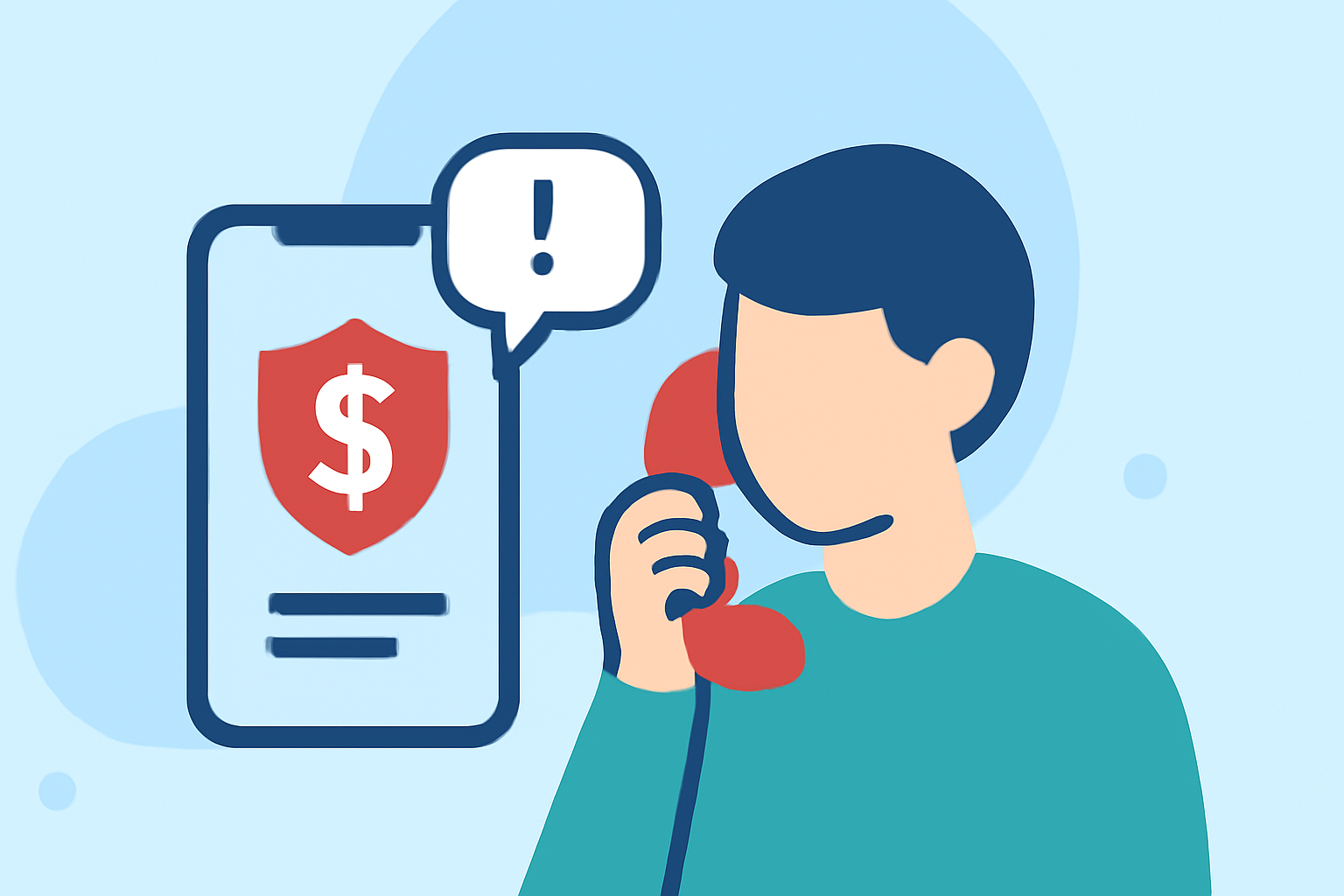
Tax scam calls involve fraudsters posing as IRS agents, claiming you owe back taxes or offering fake refunds. They often use threats or create false urgency to manipulate victims into providing sensitive information or making immediate payments. (consumer.ftc.gov)
How Can I Recognize a Tax Scam Call?
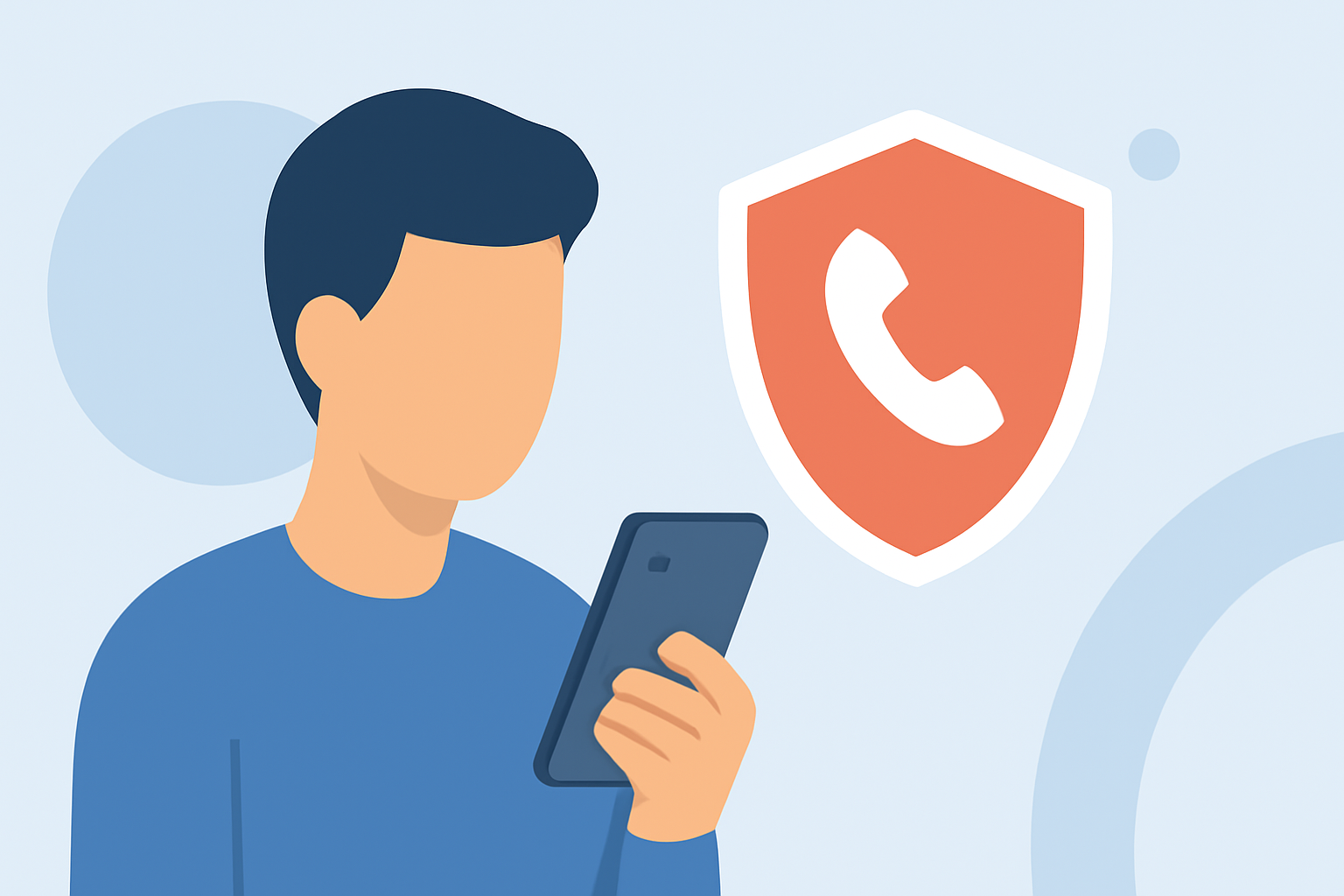
Be wary of unsolicited calls from unknown numbers, especially those demanding immediate payment or threatening legal action. The IRS typically initiates contact via mail, not phone calls. Additionally, scammers may use caller ID spoofing to display a legitimate IRS number, making the call appear authentic. (consumer.ftc.gov)
What Are the Best Tools to Block Tax Scam Calls?
Implementing call-blocking tools can significantly reduce unwanted calls:
-
Mobile Apps: Applications like RoboKiller maintain databases of known scam numbers and can intercept these calls before they reach you. (kiplinger.com)
-
Carrier Services: Major U.S. carriers offer free spam call protection:
-
AT&T: ActiveArmor app
-
Verizon: Call Filter app
-
T-Mobile: Scam Shield app (whocalledus.net)
-
Built-in Phone Features: Both iPhone and Android devices have native features to block or filter spam calls. For instance, iPhones can enable "Silence Unknown Callers," and Android phones can use the Google Phone app's spam filter. (consumer.ftc.gov)
How Do I Report Tax Scam Calls?
Reporting scam calls helps authorities track and dismantle fraudulent operations:
-
Federal Trade Commission (FTC): File a complaint at ReportFraud.ftc.gov.
-
Federal Communications Commission (FCC): Submit a complaint at consumercomplaints.fcc.gov.
-
Phone Carrier: Forward spam texts to 7726 (SPAM) to assist in blocking specific numbers across networks. (legalclarity.org)
What Are Additional Steps to Protect Myself from Tax Scam Calls?
Beyond blocking and reporting, consider these precautions:
-
Do Not Engage: If you receive a suspicious call, hang up immediately. Engaging with scammers can lead to more frequent calls. (consumer.ftc.gov)
-
Verify Information: If you suspect a call is legitimate, contact the IRS directly using official contact information from their website.
-
Educate Others: Share information about tax scams with friends and family to help protect them as well.
By staying vigilant and utilizing available tools, you can significantly reduce the risk of falling victim to tax scam calls.
Highlights:
- Tired of Unwanted Calls? Here's How to Help Thwart the Robocaller Invasion, Published on Friday, March 06