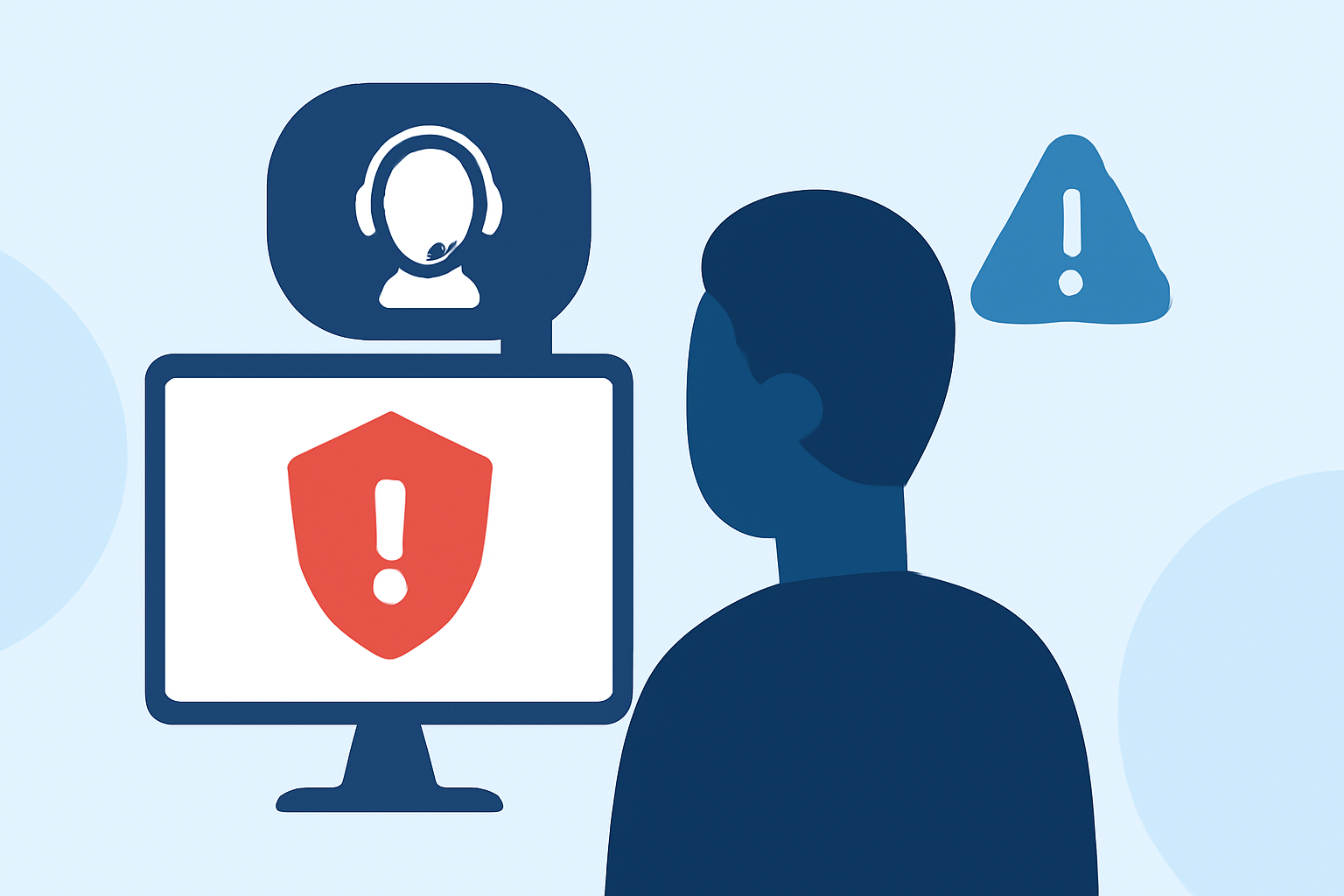
Tech support scams are deceptive tactics where fraudsters impersonate legitimate tech companies to steal personal information or money. These scams often involve unsolicited calls, emails, or pop-ups claiming your device has issues that require immediate attention. Understanding how to recognize and avoid these scams is crucial for protecting your personal and financial information.
What Are Tech Support Scams?
Tech support scams involve fraudsters posing as representatives from reputable technology companies. They may contact you via phone, email, or pop-up messages, claiming your device is infected with malware or has a critical issue. Their goal is to convince you to grant remote access to your device, install malicious software, or pay for unnecessary services. (ftc.gov)
How Do Scammers Operate?
Scammers employ various tactics to deceive individuals:
-
Unsolicited Contact: They initiate contact without your request, often using caller ID spoofing to appear as a trusted entity. (wellsfargo.com)
-
Urgent Warnings: They create a sense of urgency, claiming immediate action is required to prevent data loss or security breaches.
-
Remote Access Requests: They may ask for remote access to your device to "fix" issues, allowing them to install malware or steal information.
-
Payment Demands: They often request payment through untraceable methods like gift cards, wire transfers, or cryptocurrency. (consumer.ftc.gov)
How to Recognize Tech Support Scams
Being aware of common signs can help you identify potential scams:
-
Unsolicited Communication: Legitimate companies do not contact customers unexpectedly to report issues.
-
Unusual Payment Methods: Requests for payment via gift cards or wire transfers are red flags.
-
Pressure Tactics: Scammers often pressure you to act quickly, creating a false sense of urgency.
-
Unfamiliar Contact Information: Be cautious of unfamiliar phone numbers or email addresses, even if they appear legitimate. (ftc.gov)
Steps to Protect Yourself
To safeguard against tech support scams:
-
Be Skeptical of Unsolicited Contact: If you receive unexpected communication about your device's health, do not engage. (wellsfargo.com)
-
Verify Contact Information: Use official websites to find legitimate contact details for tech companies.
-
Avoid Remote Access Requests: Never grant remote access to your device unless you initiated the contact and trust the source.
-
Use Reputable Security Software: Keep your device's security software up to date to detect and prevent malicious activities.
-
Educate Yourself and Others: Stay informed about common scam tactics and share this knowledge to help protect others.
What to Do if You Suspect a Scam
If you believe you've encountered a tech support scam:
-
Disconnect from the Internet: This prevents further potential data theft.
-
Run a Security Scan: Use trusted security software to check for malware.
-
Change Passwords: Update passwords for sensitive accounts, especially if you shared them with the scammer.
-
Report the Incident: Notify the Federal Trade Commission (FTC) at ReportFraud.ftc.gov and your local authorities. (ftc.gov)
How Robokiller Can Help
Robokiller is a leading solution designed to block unwanted calls, including tech support scams. By using advanced algorithms and a vast database of known scam numbers, Robokiller effectively prevents these fraudulent calls from reaching you. This proactive approach ensures that you can use your devices without the constant threat of scam calls.
Conclusion
Tech support scams are a significant threat, but by staying informed and vigilant, you can protect yourself from falling victim. Remember, legitimate companies will never contact you unsolicited to report issues with your device. Utilizing tools like Robokiller can further enhance your defense against these scams, allowing you to enjoy your technology safely.
Highlights:
- Tech support scammers are forcing their fake phone numbers into real webpages, Published on Friday, June 20
- Microsoft is finally clamping down on scam attacks with new "scareware" sensor - here's what you need to know, Published on Tuesday, November 04
- 'What begins as a phone call from 'IT support' ends with a fully instrumented network compromise': This fake tech support scam tricks employees into infecting their own company devices, Published on Saturday, March 07