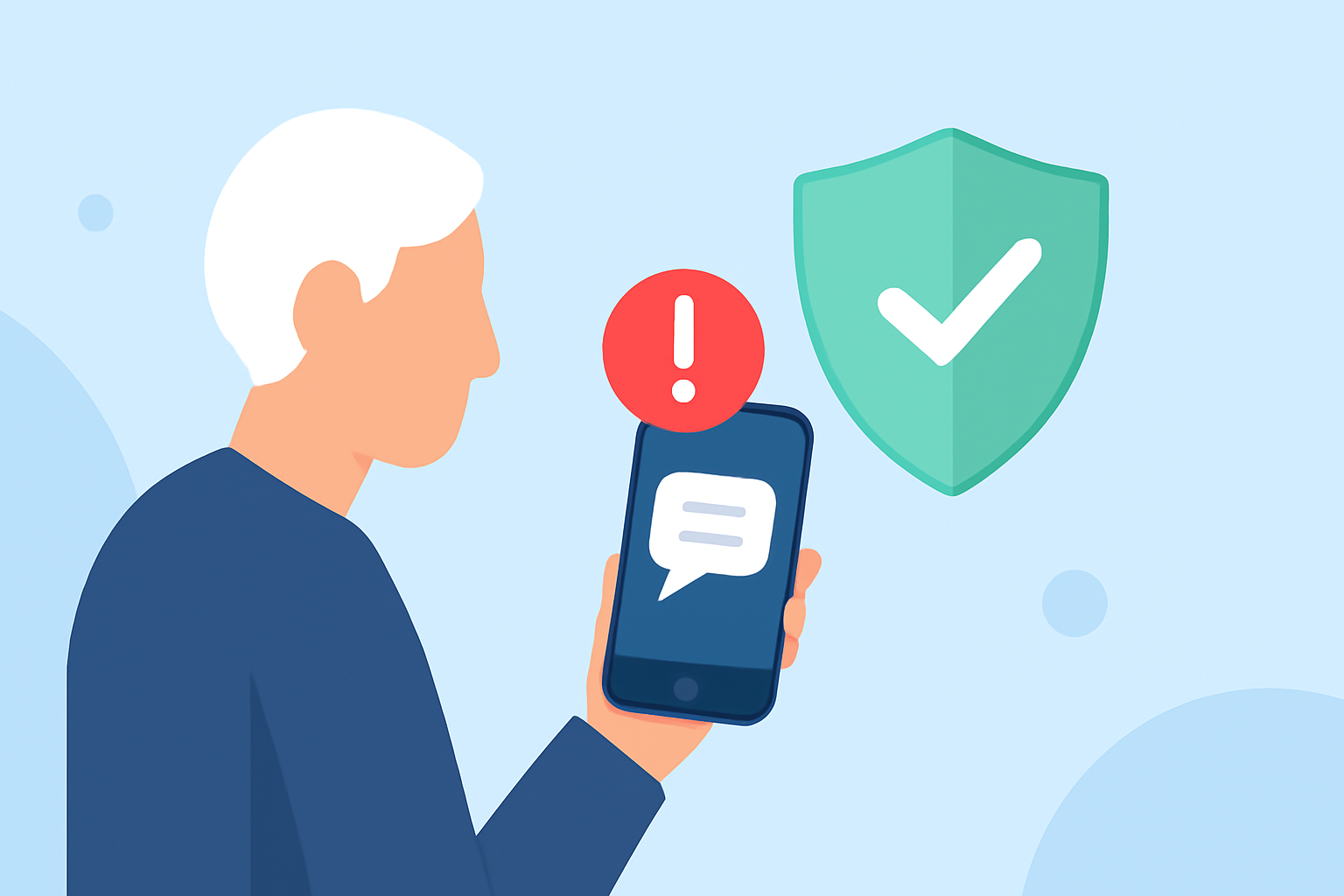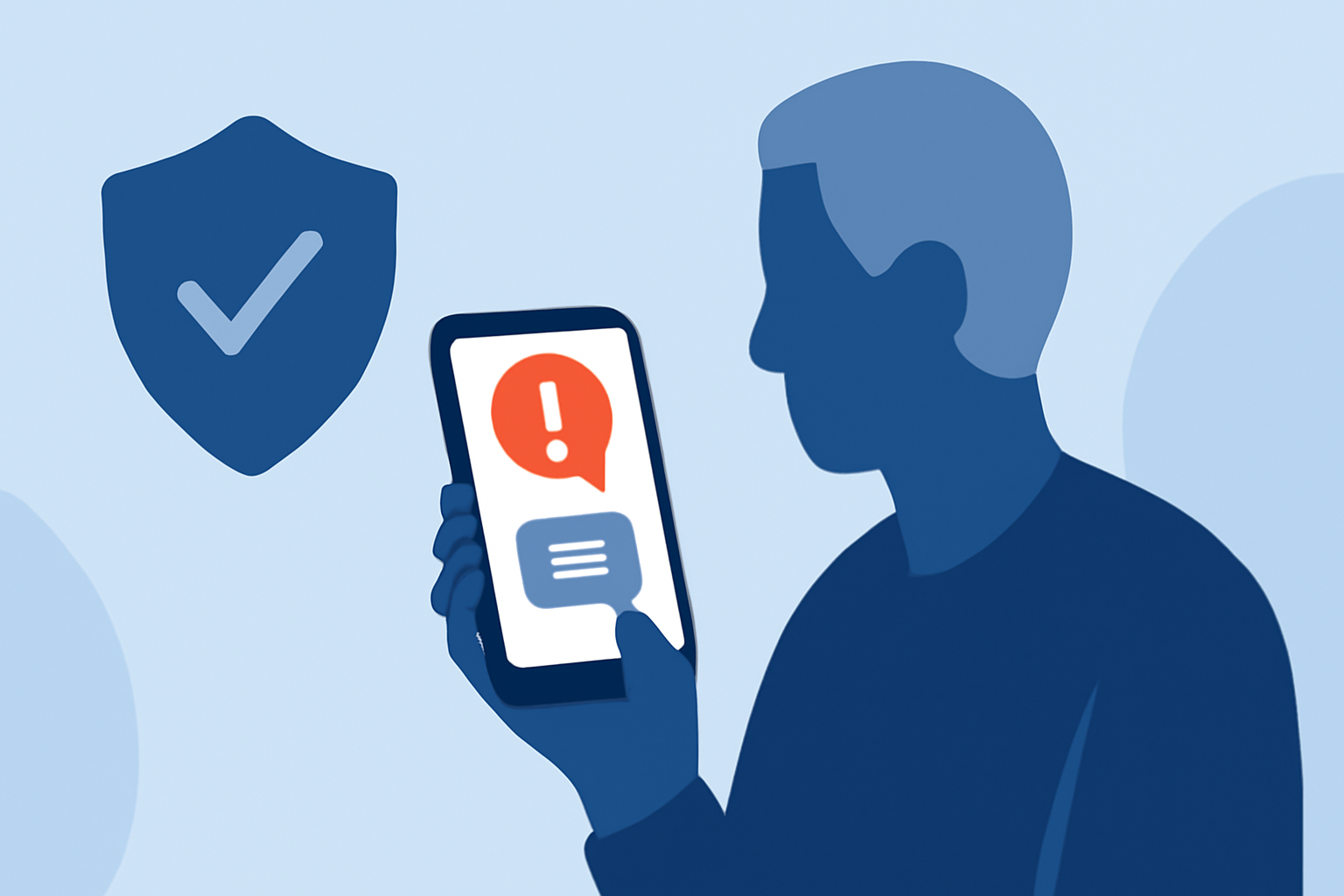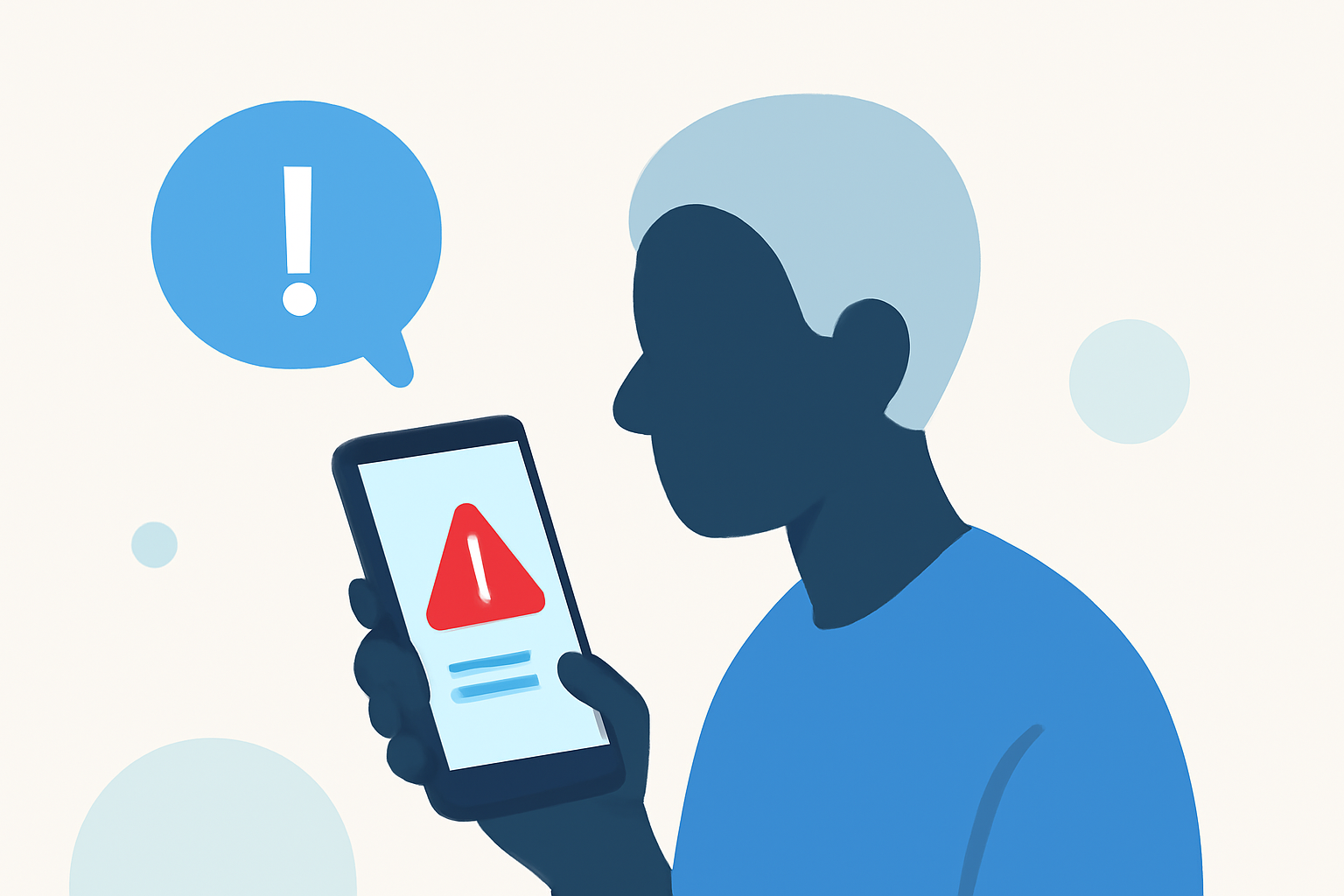
In today's digital age, older adults are increasingly targeted by scammers using fake fraud alert texts to steal personal information and money. Recognizing and avoiding these deceptive messages is crucial for safeguarding personal and financial well-being.
What Are Fake Fraud Alert Texts?
Fake fraud alert texts are deceptive messages that impersonate legitimate organizations, such as banks or government agencies, claiming suspicious activity on your accounts. They often include urgent requests to verify personal information or to click on malicious links.
How Do Scammers Use Fake Fraud Alert Texts?
Scammers exploit the trust of older adults by sending messages that appear to be from trusted sources, creating a sense of urgency to prompt immediate action. These texts may ask recipients to provide sensitive information or click on links that lead to fraudulent websites designed to steal personal data.
How Can Older Adults Identify Fake Fraud Alert Texts?
To protect yourself, be vigilant for the following signs of fraudulent texts:
-
Unsolicited Messages: Be cautious of unexpected texts claiming issues with your accounts. Legitimate organizations typically do not send unsolicited messages requesting personal information. (bbb.org)
-
Suspicious Links: Avoid clicking on links in unsolicited texts, as they may lead to phishing sites designed to steal your information. (bbb.org)
-
Urgent Language: Scammers often use urgent language to pressure you into quick action. Take your time to assess the situation before responding. (bbb.org)
What Should You Do If You Receive a Suspicious Text?
If you receive a text that seems suspicious:
-
Do Not Respond: Avoid replying to the message or clicking on any links.
-
Verify the Source: Contact the organization directly using a known and trusted phone number or website to confirm the legitimacy of the message. (consumer.ftc.gov)
-
Report the Scam: Inform the appropriate authorities, such as the Federal Trade Commission (FTC), to help prevent others from falling victim. (consumer.ftc.gov)
How Can Technology Help Protect Against Fake Fraud Alert Texts?
Utilizing technology can enhance protection against fraudulent texts:
-
Call Blocking Services: Services like Robokiller can help block unwanted calls and texts, reducing exposure to potential scams.
-
Antivirus Software: Keep your devices updated with reputable antivirus software to detect and block malicious links.
How Can Family and Friends Assist in Protecting Older Adults?
Family and friends play a vital role in safeguarding older adults:
-
Education: Share information about common scams and warning signs.
-
Open Communication: Encourage open discussions about any suspicious messages received.
-
Regular Monitoring: Help monitor financial accounts for unusual activity.
What Are the Legal Protections Against Scams Targeting Older Adults?
There are legal measures in place to protect older adults from scams:
-
Consumer Protection Laws: Various laws protect consumers from fraudulent practices.
-
Reporting Mechanisms: Authorities like the FTC provide avenues to report scams and seek assistance. (consumer.ftc.gov)
How Can Older Adults Stay Informed About Emerging Scams?
Staying informed is key to protection:
-
Trusted Sources: Regularly check updates from reputable organizations like the FTC and BBB.
-
Community Resources: Participate in community workshops or seminars on fraud prevention.
By staying vigilant, educating themselves, and utilizing available resources, older adults can significantly reduce the risk of falling victim to fake fraud alert texts.
Highlights:
- How to prevent and report scams targeting older adults | Consumer Financial Protection Bureau, Published on Sunday, May 01
- BBB Scam Alert: Top tricks used to scam older adults, Published on Monday, April 28
- False alarm, real scam: how scammers are stealing older adults’ life savings | Federal Trade Commission