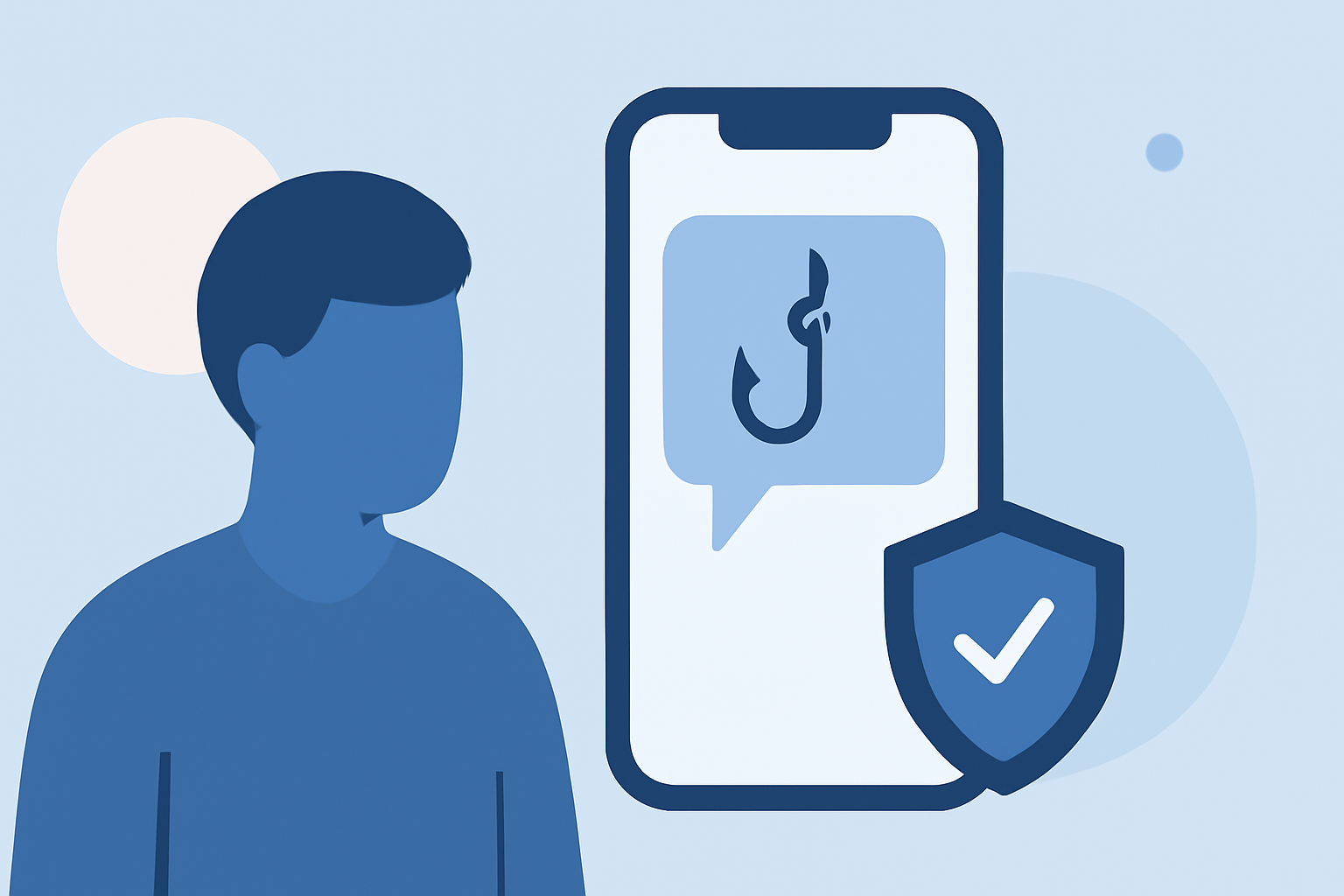
Phishing texts, or "smishing," are deceptive messages designed to steal personal information or install malware on devices. For remote workers, these threats can compromise both personal and organizational security. Understanding how to identify, prevent, and respond to phishing texts is crucial for maintaining a secure remote work environment.
What Are Phishing Texts and How Do They Work?
Phishing texts are fraudulent messages that impersonate legitimate entities to trick recipients into revealing sensitive information or clicking malicious links. These messages often create a sense of urgency, such as claiming suspicious account activity or offering fake prizes, to prompt immediate action. The goal is to exploit the recipient's trust and prompt them to act without due caution. (staysafeonline.org)
How Can Remote Workers Identify Phishing Texts?
Recognizing phishing texts involves being vigilant for certain red flags:
-
Unfamiliar Senders: Messages from unknown numbers or contacts.
-
Suspicious Links: URLs that appear unusual or don't match the purported sender's official website.
-
Urgent Language: Phrases like "Immediate action required" or "Your account has been compromised."
-
Requests for Personal Information: Legitimate organizations typically don't ask for sensitive data via text.
For example, a text claiming to be from your bank, stating, "Your account has been locked due to suspicious activity. Click here to verify your identity," is likely a phishing attempt. (staysafeonline.org)
What Steps Can Remote Workers Take to Prevent Phishing Texts?
Implementing proactive measures can significantly reduce the risk of falling victim to phishing texts:
-
Enable Spam Filters: Utilize built-in phone features or third-party apps to filter out potential spam messages.
-
Avoid Clicking on Links: Refrain from clicking on links or downloading attachments from unknown sources.
-
Verify Suspicious Messages: Contact the organization directly using official contact information to confirm the legitimacy of the message.
-
Educate and Train: Regularly educate remote workers about the risks and signs of phishing to enhance awareness and vigilance.
For instance, using a spam call and text blocker app like Robokiller can help prevent these dangerous nuisances from ever reaching your phone. (robokiller.com)
How Should Remote Workers Respond to Phishing Texts?
If a phishing text is received:
-
Do Not Respond: Replying can confirm your number is active, leading to more spam.
-
Do Not Click Links or Download Attachments: These actions can install malware or lead to fraudulent websites.
-
Report the Message: Forward the message to your wireless carrier by texting "SPAM" to 7726. This helps carriers identify and block similar messages in the future. (consumer.ftc.gov)
-
Block the Sender: Prevent future messages from the same source by blocking the number.
What Are the Legal Protections Against Phishing Texts?
In the United States, several regulations protect consumers from unwanted and deceptive text messages:
-
Telephone Consumer Protection Act (TCPA): Prohibits unsolicited marketing messages without prior consent.
-
Truth in Caller ID Act: Makes it illegal to use misleading or inaccurate caller ID information with the intent to defraud.
-
Federal Trade Commission (FTC) Regulations: Enforces rules against deceptive practices, including fraudulent text messages.
These laws empower consumers to report and seek redress for unwanted and deceptive text messages. (consumer.ftc.gov)
How Can Organizations Support Remote Workers in Preventing Phishing Texts?
Organizations can play a pivotal role in safeguarding their remote workforce by:
-
Implementing Security Policies: Establish clear guidelines on handling unsolicited communications.
-
Providing Training: Offer regular training sessions on identifying and responding to phishing attempts.
-
Utilizing Security Tools: Deploy security solutions that detect and block phishing attempts.
-
Encouraging Reporting: Create a culture where employees feel comfortable reporting suspicious messages.
By fostering a proactive security culture, organizations can significantly reduce the risk of phishing attacks targeting their remote teams.
In conclusion, while phishing texts pose a significant threat to remote workers, awareness and proactive measures can effectively mitigate these risks. By staying informed and vigilant, remote workers can protect themselves and their organizations from the dangers of phishing.