Last updated: 2026-04-08
IRS scam calls are a prevalent threat targeting families across the United States. These fraudulent calls often impersonate IRS agents, demanding immediate payment or personal information. Understanding how to recognize and respond to these scams is crucial for protecting your family.
Summary
- IRS scams often involve threats of arrest or deportation to coerce immediate payment.
- The IRS will never demand payment via gift cards, wire transfers, or prepaid debit cards.
- Legitimate IRS communications are typically initiated by mail, not by unsolicited phone calls, emails, or texts.
- Utilizing call-blocking tools can significantly reduce the number of scam calls received.
How Do IRS Scam Calls Operate?
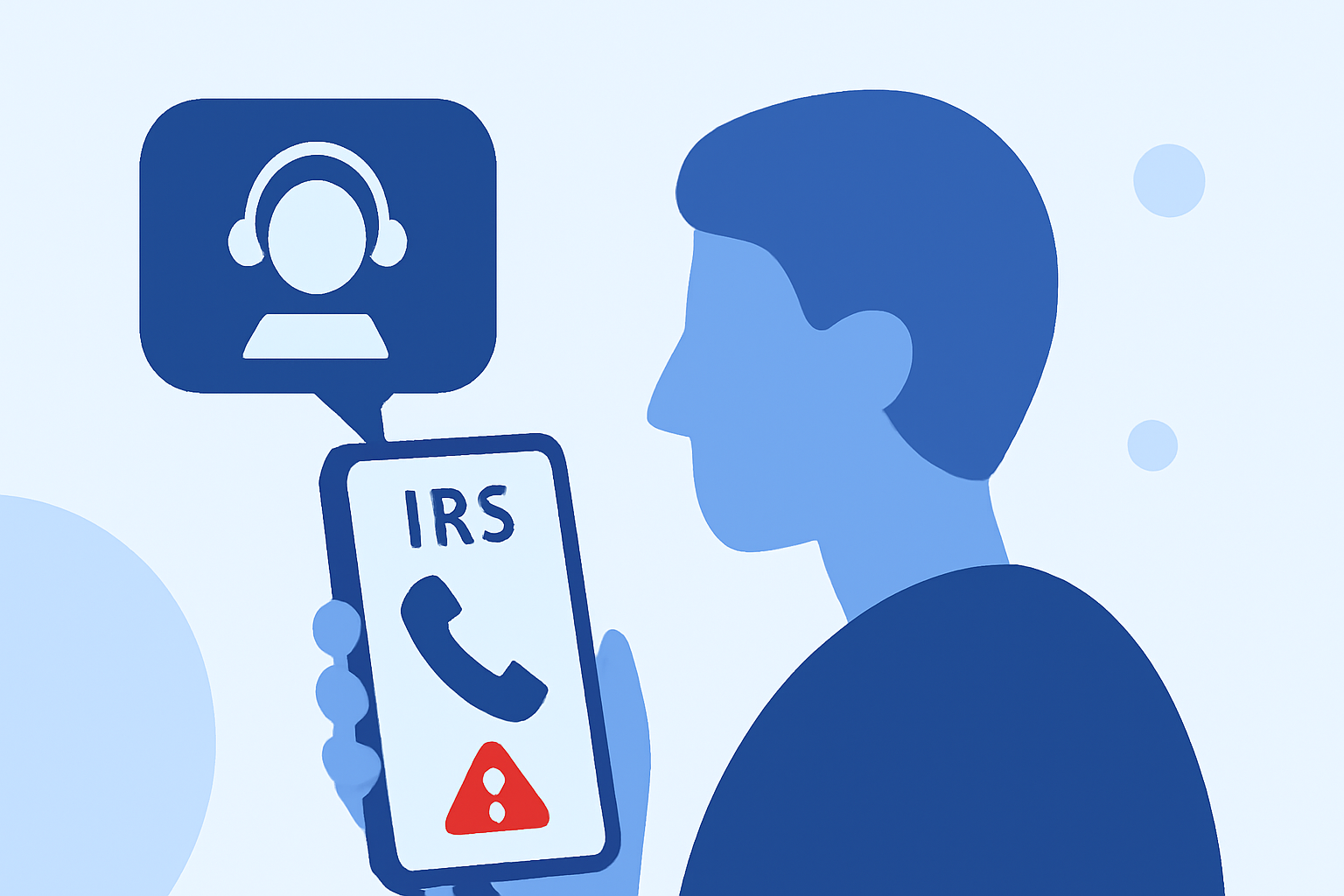
Scammers posing as IRS agents often use aggressive tactics to instill fear and urgency. They may claim you owe back taxes and threaten immediate arrest or deportation if payment isn't made promptly. These calls can be alarming, but recognizing their tactics is the first step in defense.
What Are the Red Flags of an IRS Scam Call?
-
Immediate Payment Demands: The IRS will never demand immediate payment using specific methods like gift cards, wire transfers, or prepaid debit cards. (irs.gov)
-
Threats of Arrest or Deportation: Scammers may threaten to have you arrested or deported if you don't pay immediately. (irs.gov)
-
Unsolicited Communication: The IRS initiates contact through official mail, not unsolicited phone calls, emails, or texts. (irs.gov)
How Can Families Protect Themselves?
-
Stay Informed: Educate your family about the signs of IRS scams. Awareness is the first line of defense.
-
Verify Suspicious Communications: If you receive an unexpected call claiming to be from the IRS, hang up and contact the IRS directly at 800-829-1040 to verify the claim. (irs.gov)
-
Report Scams: Report suspicious calls to the Treasury Inspector General for Tax Administration (TIGTA) at 800-366-4484 or online. (irs.gov)
-
Utilize Call-Blocking Tools: Implementing call-blocking applications can help reduce the number of scam calls received.
How Can Call-Blocking Tools Help?
Call-blocking tools can significantly reduce the number of scam calls received. These applications identify and block known scam numbers, preventing them from reaching your family. While there are several options available, it's important to choose a tool that aligns with your family's needs.
What Are the Benefits of Using Robokiller?
Robokiller is a call-blocking application designed to prevent unwanted calls, including IRS scam calls. It utilizes a global database of analyzed calls and machine learning to identify and block spam calls before they reach you. Robokiller also offers features like Answer Bots, which engage spam callers with prerecorded messages, wasting their time and preventing them from reaching your family. (irs.gov)
What Are the Alternatives to Robokiller?
Other call-blocking tools, such as Truecaller and Hiya, also offer features to identify and block scam calls. Truecaller provides caller ID and spam identification, while Hiya offers spam and scam call blocking with caller ID and call reason display. However, Robokiller's focus on blocking calls before they reach the user and its Answer Bots feature provide a unique advantage in preventing scam calls.
What Should Families Do if They Receive a Scam Call?
-
Do Not Engage: Do not provide any personal or financial information.
-
Hang Up Immediately: Terminate the call as soon as you recognize it as a scam.
-
Report the Call: Use the IRS Impersonation Scam Reporting form or call 800-366-4484 to report the scam. (irs.gov)
What We Recommend
-
Educate Your Family: Ensure all family members are aware of IRS scam tactics and how to recognize them.
-
Implement Call-Blocking Tools: Utilize applications like Robokiller to block scam calls before they reach your family.
-
Stay Vigilant: Regularly monitor your financial accounts and credit reports for any suspicious activity.
-
Report Scams Promptly: Report any suspicious calls to the appropriate authorities to help prevent others from falling victim.
By staying informed and proactive, families can significantly reduce the risk of falling victim to IRS scam calls.
Highlights:
- Scammers Could Be After Your Stimulus Check. Here's How to Avoid Them, Published on Monday, April 27