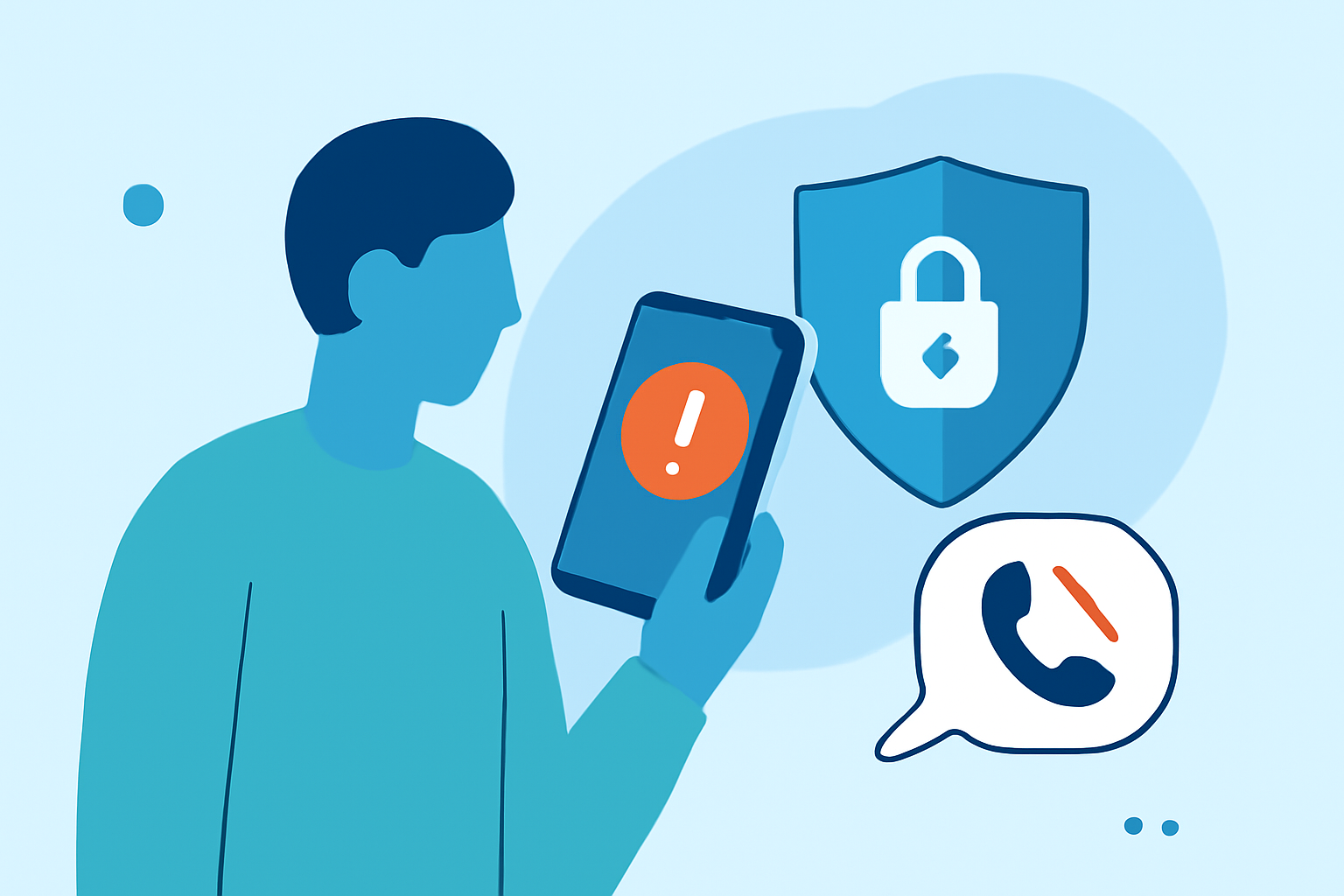
In recent years, cryptocurrency scams have proliferated, with fraudsters increasingly using text messages to deceive individuals. These scams often promise high returns on investments or urgent account issues, aiming to steal personal and financial information. For privacy-conscious users in the United States, it's crucial to understand how to recognize and respond to these threats.
What Are Crypto Scam Texts?
Crypto scam texts are fraudulent messages sent via SMS or messaging apps, impersonating legitimate cryptocurrency platforms or financial institutions. They typically claim to offer lucrative investment opportunities, urgent account alerts, or exclusive deals, all designed to lure recipients into providing sensitive information or making hasty financial decisions.
How Do Scammers Operate?
Scammers often exploit default settings in messaging apps to add users to fraudulent groups or send unsolicited messages. They may also spoof phone numbers to appear as if the message is from a trusted source. Once they have your attention, they might:
-
Impersonate Trusted Entities: Claiming to be from reputable companies like Coinbase, they might send messages about unusual account activity, urging you to click on malicious links. (coincodex.com)
-
Offer Fake Investment Opportunities: Promising guaranteed returns on cryptocurrency investments, they aim to convince you to send funds to fraudulent accounts. (cftc.gov)
-
Create a Sense of Urgency: Using alarming language, they pressure you to act quickly, reducing the time you have to critically assess the situation.
How Can You Protect Yourself?
As a privacy-conscious user, consider the following steps to safeguard your personal information:
-
Be Skeptical of Unsolicited Messages: Treat unexpected messages, especially those claiming to be from financial institutions or cryptocurrency platforms, with caution. Legitimate companies will not ask for sensitive information via text. (consumer.ftc.gov)
-
Avoid Clicking on Suspicious Links: Do not click on links or call numbers provided in unsolicited messages. These could lead to phishing sites or install malware on your device. (chime.com)
-
Verify Through Official Channels: If you receive a message claiming to be from a company you use, contact them directly using contact information from their official website to verify the claim.
-
Report Suspicious Messages: Forward scam texts to 7726 (SPAM) to help your wireless provider block similar messages in the future. (consumer.ftc.gov)
-
Review Privacy Settings: Adjust the privacy settings on your messaging apps to limit who can contact you. This can help reduce the number of unsolicited messages you receive. (cftc.gov)
What Should You Do If You've Fallen Victim?
If you believe you've been scammed, take immediate action:
-
Cease Communication: Stop all communication with the scammer.
-
Report the Incident: File a report with the Federal Trade Commission (FTC) at ReportFraud.ftc.gov. (consumer.ftc.gov)
-
Monitor Financial Accounts: Keep a close eye on your bank and cryptocurrency accounts for unauthorized transactions.
-
Contact Financial Institutions: Inform your bank or cryptocurrency platform about the incident so they can assist in securing your accounts.
How Can Robokiller Help?
Robokiller offers advanced spam and scam blocking features that can help protect you from unwanted texts, including crypto scams. By analyzing patterns and using machine learning, Robokiller identifies and blocks potential scam messages, reducing the risk of falling victim to such schemes. This proactive approach allows you to maintain your privacy and security without constant vigilance.
Conclusion
Crypto scam texts are a significant threat to privacy-conscious users in the United States. By staying informed, being cautious with unsolicited messages, and utilizing tools like Robokiller, you can effectively protect yourself from these deceptive tactics.