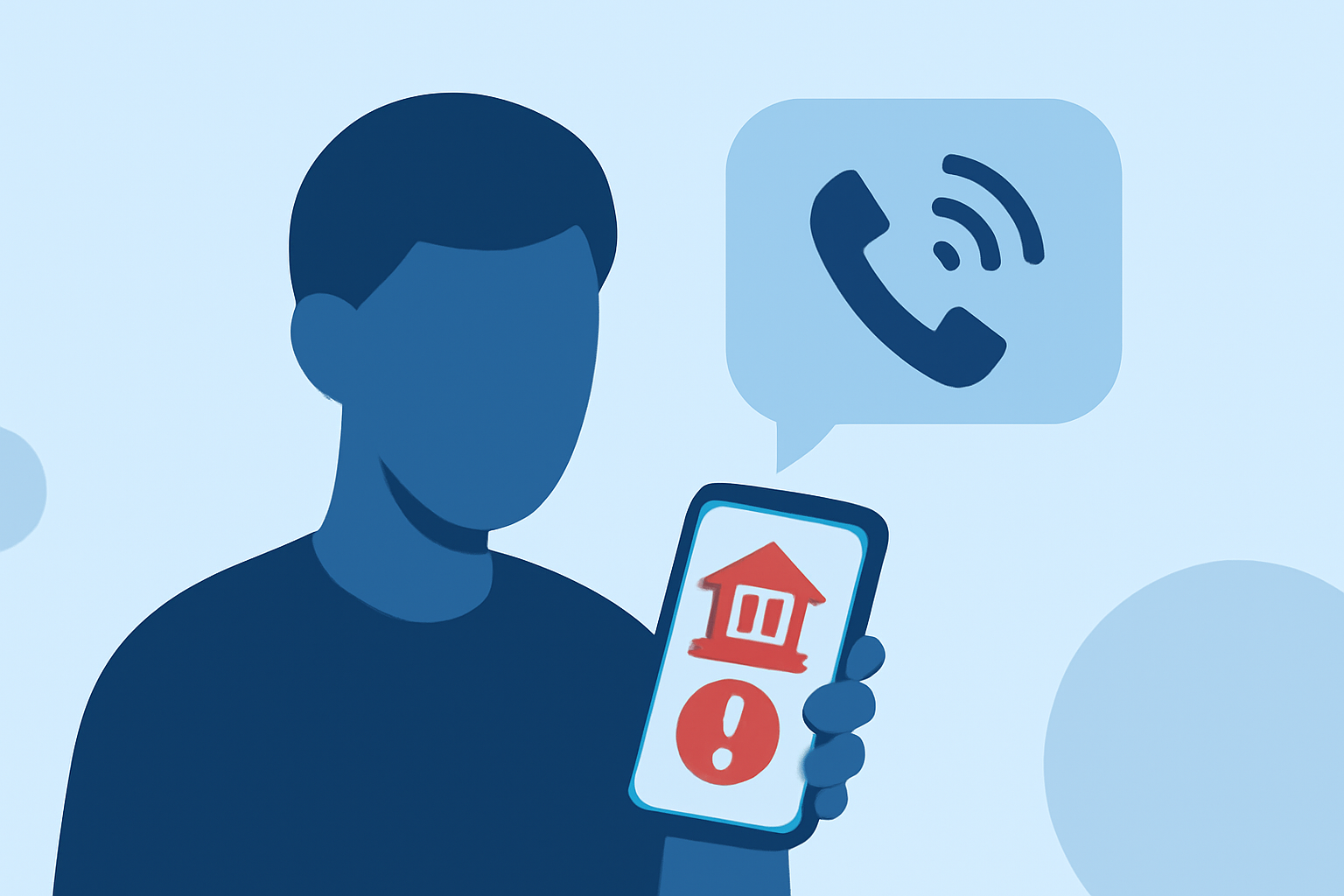
Bank scam calls are a prevalent threat, with scammers employing various tactics to deceive individuals into revealing sensitive financial information. Understanding how to protect yourself is crucial in today's digital age.
What Are Bank Scam Calls and How Do They Operate?
Bank scam calls involve fraudsters impersonating bank representatives to steal personal and financial information. They may claim to be from your bank's fraud department, alerting you to suspicious activity on your account and requesting immediate action. These calls often pressure you to provide sensitive details or perform actions that compromise your security.
How Can You Recognize a Bank Scam Call?
Identifying scam calls is vital. Legitimate banks will never ask for personal information like your full Social Security number, PIN, or online banking password over the phone. They also won't request one-time passcodes sent to your phone or ask you to download software during a call. If a caller demands such information, it's a red flag. (legalclarity.org)
What Are the Red Flags of a Bank Scam Call?
Scammers often use high-pressure tactics, such as threatening legal action or insisting on immediate payment. They may also instruct you to purchase gift cards or wire money to unfamiliar accounts. Any unsolicited call that pressures you to act quickly or requests personal information should be treated with suspicion. (robokiller.com)
How Can You Protect Yourself from Bank Scam Calls?
1. Utilize Call-Blocking and Call-Labeling Tools:
Implementing call-blocking apps can significantly reduce scam calls. These apps identify and block known scam numbers, providing real-time alerts. For instance, RoboKiller offers advanced spam detection and blocking features. (robokiller.com)
2. Enable Built-in Phone Features:
Both iOS and Android devices have built-in features to filter unknown or blocked numbers. On iOS, you can activate the "Silence Unknown Callers" feature, which silences calls from numbers not in your contacts. On Android, depending on the manufacturer, you can block calls from unknown numbers through the Phone app settings. (techadvisor.com)
3. Be Cautious with Personal Information:
Always verify the identity of the caller by hanging up and calling your bank's official number. Do not share personal or financial information over the phone unless you're certain of the recipient's identity. (legalclarity.org)
4. Report Suspicious Calls:
Reporting scam calls to authorities helps in tracking and preventing fraudulent activities. In the U.S., you can report such calls to the Federal Trade Commission (FTC). (consumer.ftc.gov)
How Does RoboKiller Compare to Other Call-Blocking Apps?
RoboKiller stands out by not only blocking scam calls but also providing detailed information about the nature of the scam, helping users understand and avoid similar threats in the future. Its advanced spam detection and blocking features are designed to protect users from various types of scam calls, including those impersonating banks. (robokiller.com)
What Should You Do if You Suspect a Scam Call?
If you receive a suspicious call:
-
Hang Up Immediately: Do not engage with the caller.
-
Verify the Caller: Contact your bank using the official number found on their website or your bank statement.
-
Report the Incident: Inform your bank and report the scam to the appropriate authorities.
Conclusion
Protecting yourself from bank scam calls requires vigilance and proactive measures. By recognizing the signs of a scam, utilizing effective call-blocking tools like RoboKiller, and adhering to safe communication practices, you can significantly reduce the risk of falling victim to these fraudulent schemes.
Highlights:
- Android now warns before you open banking apps during risky calls, Published on Wednesday, December 03
- What is NordVPN's new Scam Call Protection feature?, Published on Thursday, July 31