Cryptocurrency has revolutionized the financial landscape, offering new opportunities for investment and transactions. However, this digital frontier has also attracted a surge of scams targeting unsuspecting individuals. One prevalent method is through fraudulent text messages, commonly known as "smishing." Understanding how to recognize and protect yourself from these scams is crucial.
What Are Crypto Scam Texts?
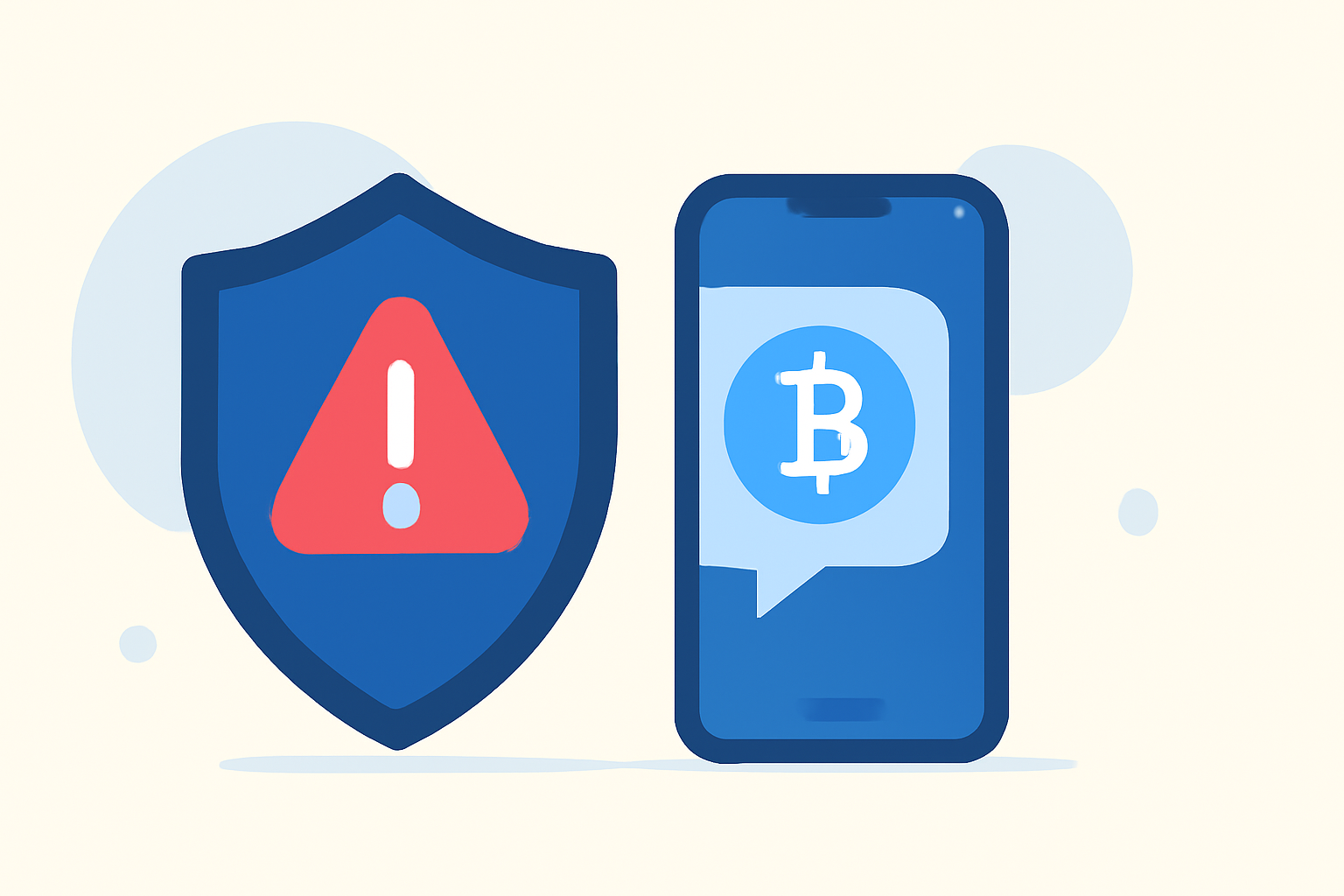
Crypto scam texts are fraudulent messages sent via SMS or messaging apps, impersonating legitimate entities to deceive recipients into sharing personal information or making financial transactions. These messages often promise unrealistic returns on investments or claim urgent issues requiring immediate action.
How Do Scammers Operate?
Scammers employ various tactics to lure individuals:
-
Impersonation: They may pose as reputable companies or government agencies, creating a sense of trust.
-
Urgency: Messages often convey a sense of urgency, pressuring recipients to act quickly without due consideration.
-
Unrealistic Promises: Offering guaranteed returns or exclusive investment opportunities that seem too good to be true.
How to Identify a Crypto Scam Text?
Being vigilant can help you spot potential scams:
-
Unsolicited Messages: Be cautious of unexpected messages, especially those claiming you've won a prize or need to verify account details.
-
Suspicious Links: Avoid clicking on unfamiliar links or downloading attachments from unknown sources.
-
Requests for Personal Information: Legitimate organizations will never ask for sensitive information like passwords or Social Security numbers via text.
-
Spelling and Grammar Errors: Many scam messages contain noticeable errors, which can be a red flag.
What Should You Do If You Receive a Suspicious Text?
If you encounter a suspicious message:
-
Do Not Respond: Avoid replying or engaging with the sender.
-
Do Not Click Links: Refrain from clicking on any links or downloading attachments.
-
Report the Message: Forward the message to your mobile carrier by texting "SPAM" to 7726.
-
Delete the Message: Remove the message from your device to prevent accidental interaction.
How Can You Protect Yourself from Crypto Scam Texts?
Implementing proactive measures can enhance your security:
-
Use Reputable Security Software: Install and maintain up-to-date antivirus and anti-malware software on your devices.
-
Enable Two-Factor Authentication (2FA): Add an extra layer of security to your accounts by requiring a second form of verification.
-
Educate Yourself: Stay informed about common scam tactics and regularly review resources from trusted organizations.
-
Verify Sources: Always contact companies or agencies through official channels to confirm any communications.
How Can Robokiller Help Protect You?
Robokiller offers advanced spam and scam blocking features, effectively filtering out unwanted and potentially harmful messages. By analyzing patterns and using machine learning, Robokiller can identify and block scam texts, providing an additional layer of protection for your mobile device.
What Are the Consequences of Falling for a Crypto Scam Text?
Engaging with a scam text can lead to:
-
Financial Loss: Sending money or personal information can result in significant financial damage.
-
Identity Theft: Sharing personal details can lead to unauthorized access to your accounts.
-
Emotional Distress: Realizing you've been scammed can cause stress and anxiety.
How Can You Report a Crypto Scam Text?
Reporting scams helps authorities track and combat fraudulent activities:
-
Federal Trade Commission (FTC): Report scams to the FTC at ftc.gov/complaint.
-
Your Mobile Carrier: Forward the suspicious message to 7726 (SPAM) to alert your carrier.
-
Local Authorities: Contact your local consumer protection agency or law enforcement.
By staying informed and vigilant, you can significantly reduce the risk of falling victim to cryptocurrency scam texts. Utilizing tools like Robokiller can further enhance your defenses against these fraudulent schemes.