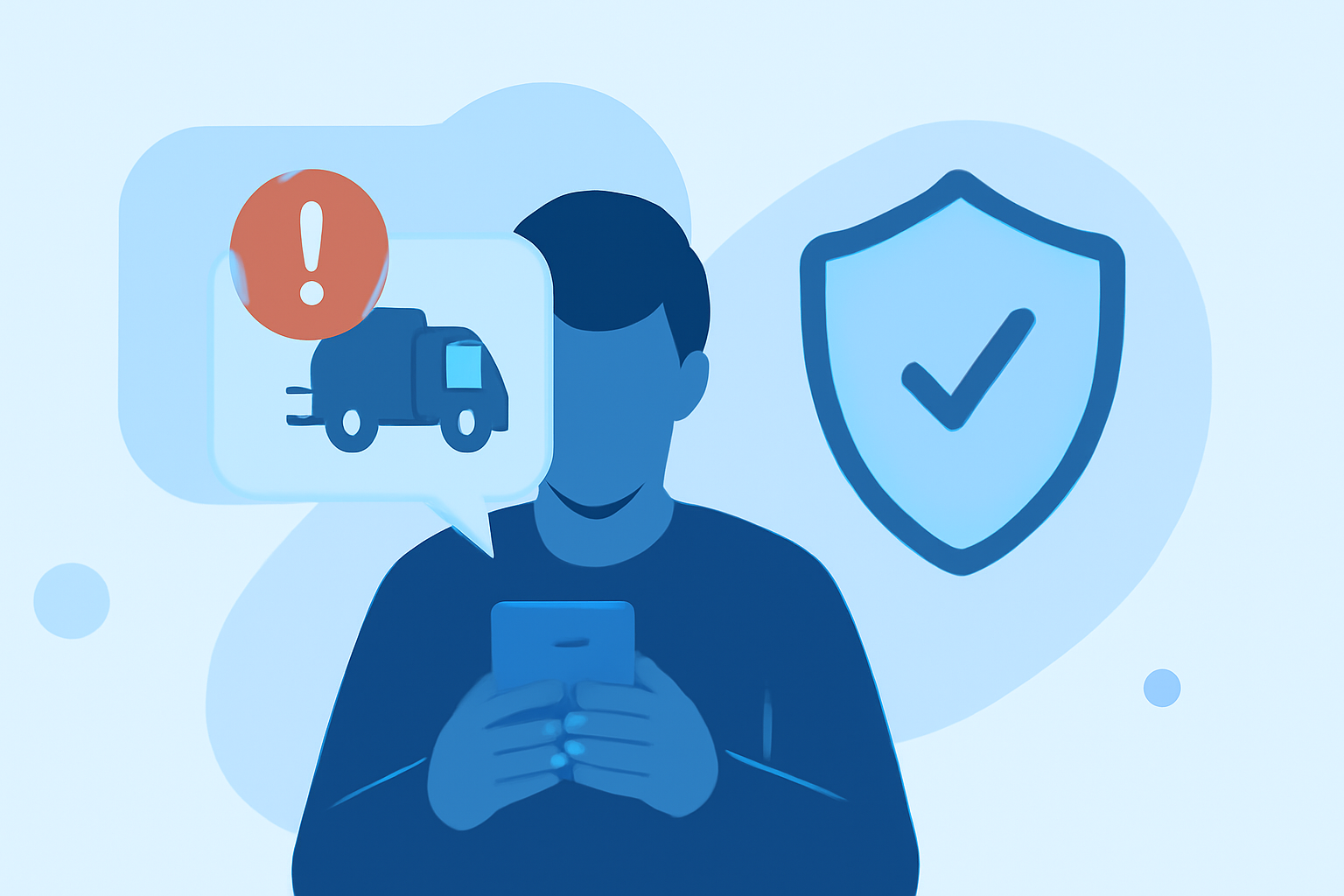
Delivery scam texts, also known as "smishing," are fraudulent messages that impersonate legitimate delivery services to steal personal and financial information. These scams often appear as urgent notifications about package deliveries, prompting recipients to click on malicious links or provide sensitive data. Understanding how to recognize and protect yourself from these scams is crucial in today's digital age.
What Are Delivery Scam Texts?
Delivery scam texts are deceptive messages that mimic communications from reputable delivery companies like USPS, FedEx, UPS, or DHL. They typically inform recipients of a supposed delivery issue, such as a missed delivery or a need to confirm shipping details, and include a link or phone number to resolve the issue. The goal is to trick individuals into providing personal information or downloading malware.
How Do Delivery Scam Texts Operate?
These scams often follow a common pattern:
- Unexpected Message: You receive a text claiming to be from a delivery service about a package.
- Urgent Call to Action: The message creates a sense of urgency, such as a missed delivery or a need to confirm details.
- Malicious Link or Number: You're prompted to click a link or call a number to resolve the issue.
Clicking the link may lead to a fake website designed to steal your information or install malware on your device. Providing personal or financial details can result in identity theft or unauthorized transactions.
How Can You Protect Yourself from Delivery Scam Texts?
1. Verify Delivery Information Independently
If you receive a suspicious text about a delivery, do not click on any links or provide personal information. Instead, visit the official website of the delivery service or retailer to check the status of your package. For example, if you think a text is about a real delivery, go to the online retail site or account you ordered your item from to look up the shipping and tracking information for your package. (consumer.ftc.gov)
2. Utilize Built-in Spam Filters
Modern smartphones come equipped with features to filter and block spam messages:
-
iPhone Users: Go to Settings → Messages and enable "Filter Unknown Senders." This will send messages from unknown contacts to a separate list.
-
Android Users: Open the Messages app, tap the three dots in the top-right corner, select "Settings," then "Spam Protection," and enable "Enable Spam Protection."
These filters help identify and block potential scam messages. (mcafee.com)
3. Report Suspicious Messages
Reporting scam texts can help authorities and service providers take action:
-
Forward to 7726 (SPAM): This helps your wireless provider identify and block similar messages in the future. (consumer.ftc.gov)
-
Report to the FTC: If you encounter a scam, report it to the Federal Trade Commission at ReportFraud.ftc.gov.
4. Be Cautious with Unsolicited Messages
Legitimate companies will never ask for personal or financial information via text message. If you receive an unsolicited message requesting such information, it's likely a scam. Always verify through official channels before responding. (consumer.ftc.gov)
5. Use Third-Party Scam Detection Apps
Consider installing reputable apps designed to detect and block scam messages:
-
StopScam.ai: This app helps you block suspicious calls, inspect risky texts and links, scan files, and get an AI second opinion before you call back, click, or pay. (stopscam.ai)
-
ReplyShield: A free scam message checker for texts, emails, and job offers, allowing you to check suspicious messages before you reply. (replyshieldapp.com)
6. Educate Yourself and Others
Stay informed about common scam tactics and share this knowledge with friends and family. The more people are aware, the less effective these scams become.
What Should You Do If You've Fallen Victim to a Scam Text?
If you've clicked on a suspicious link or provided personal information:
- Contact Your Financial Institutions: Inform your bank or credit card company immediately to monitor for unauthorized transactions.
- Change Your Passwords: Update passwords for accounts that may have been compromised.
- Monitor Your Accounts: Regularly check bank statements and credit reports for unusual activity.
Conclusion
Delivery scam texts are a prevalent threat, but by staying vigilant and implementing protective measures, you can significantly reduce the risk of falling victim. Always verify delivery information through official channels, utilize built-in spam filters, report suspicious messages, and consider using third-party scam detection apps. Educating yourself and others is a powerful tool in combating these scams.
Highlights:
- Think that text message is from USPS? It could be a scam | Consumer Advice
- How to Stop Spam Texts and Protect Your Phone | McAfee, Published on Friday, April 10
- Package Delivery Scams | American Bankers Association