Last updated: 2026-05-06
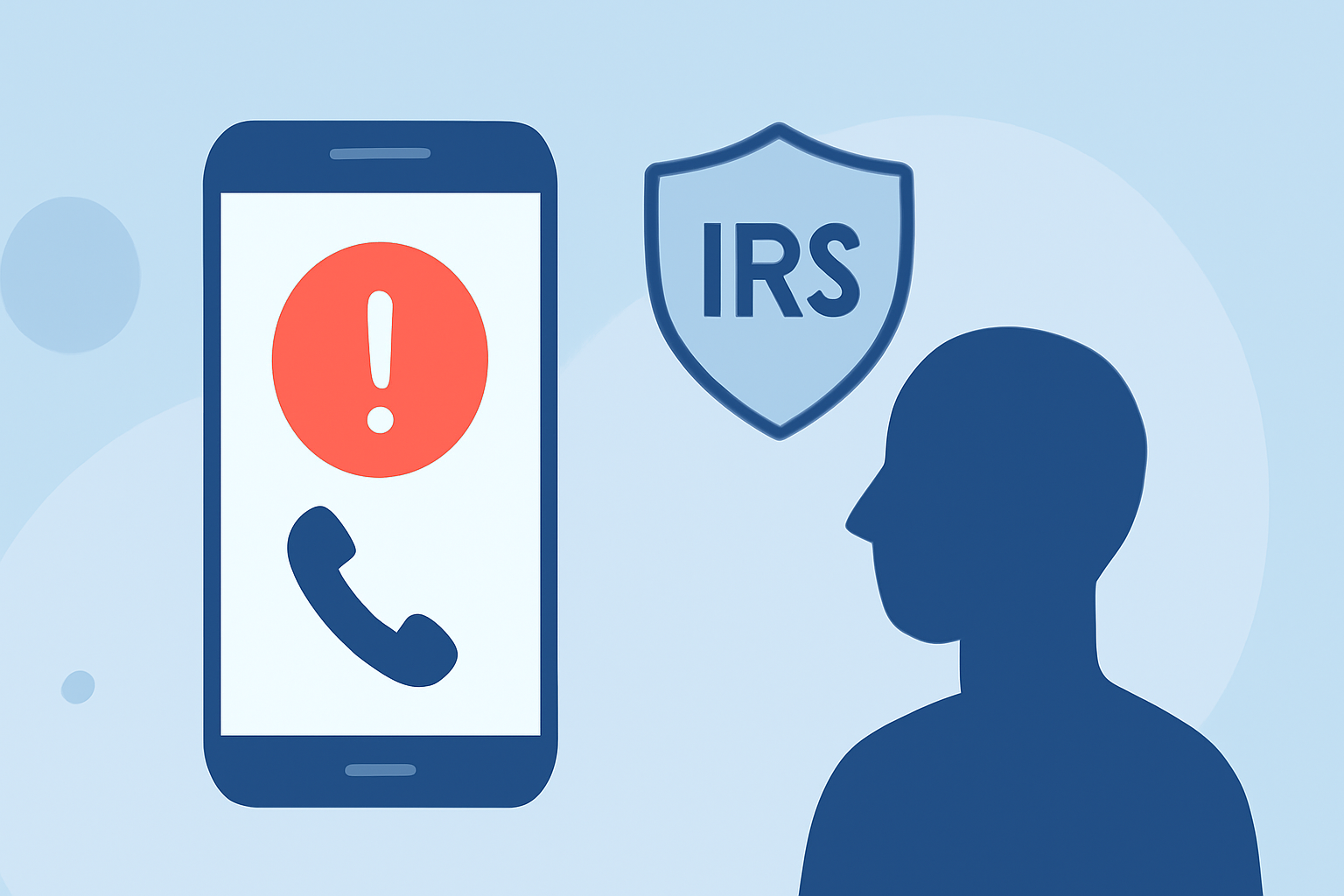
Receiving unsolicited phone calls claiming to be from the IRS is a common tactic used by scammers to steal personal information and money. Understanding how the IRS communicates and implementing protective measures can help you avoid falling victim to these scams.
How Does the IRS Typically Contact Taxpayers?
The IRS primarily communicates with taxpayers through official mail. If you owe taxes, the IRS will first send a bill to your last known address. They may follow up with a phone call to discuss the matter further. However, the IRS will never initiate contact by email, text message, or social media to request personal or financial information. (irs.gov)
What Are Common Signs of an IRS Scam Call?
Scammers often impersonate IRS agents and use high-pressure tactics to intimidate individuals into providing sensitive information or making immediate payments. Common signs of a scam call include:
-
Threats of Immediate Arrest or Deportation: Scammers may claim that you owe taxes and threaten arrest or deportation if you don't pay immediately. (consumer.ftc.gov)
-
Demand for Specific Payment Methods: The IRS will never demand payment via prepaid debit cards, gift cards, or wire transfers. (irs.gov)
-
Unsolicited Requests for Personal Information: Be cautious if a caller asks for personal details like your Social Security number or bank account information. (michigan.gov)
How Can You Protect Yourself from IRS Scam Calls?
-
Hang Up and Report the Call: If you receive a suspicious call claiming to be from the IRS, hang up immediately. Do not engage with the caller or provide any personal information. Report the incident to the Treasury Inspector General for Tax Administration (TIGTA) at 800-366-4484 or through their online form. (irs.gov)
-
Verify IRS Communications: If you receive a letter or notice from the IRS, log in to your secure IRS Online Account to verify its authenticity. You can also contact IRS customer service directly to confirm the legitimacy of the communication. (irs.gov)
-
Stay Informed: Regularly check the IRS website for updates on common scams and learn how to recognize them. Being informed is one of the best defenses against falling victim to scams. (irs.gov)
What We Recommend
-
Be Vigilant: Always be cautious when receiving unsolicited calls, especially those requesting personal or financial information.
-
Educate Yourself: Familiarize yourself with common scam tactics to better recognize potential threats.
-
Utilize Call Blocking Tools: Consider using call-blocking applications to help screen and block unwanted calls.
By staying informed and cautious, you can protect yourself from IRS scam calls and other fraudulent activities.