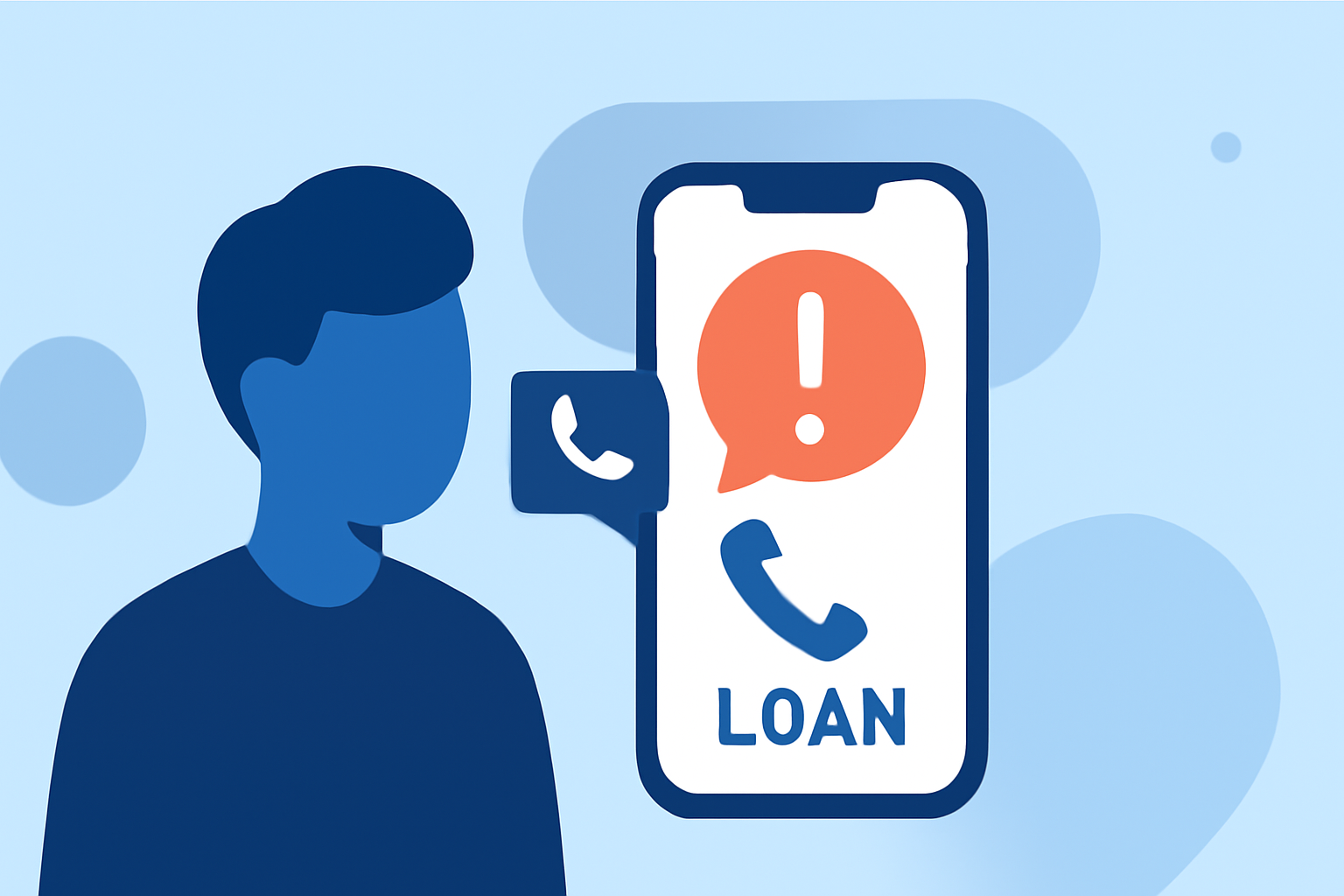
Medicare scam calls are a prevalent form of fraud targeting individuals to steal personal information. Recognizing these scams and implementing protective measures are crucial steps in safeguarding your personal and financial data.
How to Identify Medicare Scam Calls?
Scammers often impersonate Medicare representatives to deceive individuals into providing sensitive information. Common tactics include:
-
Unsolicited Requests for Personal Information: Scammers may ask for your Medicare number, Social Security number, or bank account details. Medicare will never call you unexpectedly to request such information. (healthline.com)
-
Offers of Free Services or Products: Be cautious of calls offering free medical supplies, services, or equipment in exchange for personal information. These offers are often too good to be true and are used to gather your data. (medicalnewstoday.com)
-
Urgent or Threatening Language: Scammers may create a sense of urgency, claiming that your benefits are at risk unless you act immediately. Legitimate Medicare representatives will not pressure you in this manner. (healthline.com)
Effective Strategies to Protect Yourself
Implementing the following strategies can help shield you from Medicare scam calls:
-
Do Not Share Personal Information: Never provide personal or financial details to unsolicited callers. If you receive a suspicious call, hang up and contact Medicare directly at 1-800-MEDICARE (1-800-633-4227) to verify the legitimacy of the call. (consumer.ftc.gov)
-
Register with the National Do Not Call Registry: Adding your number to the National Do Not Call Registry can reduce the number of unsolicited calls you receive. While it may not eliminate all scam calls, it can decrease their frequency. (consumer.ftc.gov)
-
Use Call-Blocking Technology: Employ call-blocking apps or services to screen and block unwanted calls. These tools can help prevent scam calls from reaching you. (consumer.ftc.gov)
Reporting Medicare Scam Calls
If you encounter a Medicare scam call, it's important to report it to help authorities combat fraud:
-
Federal Trade Commission (FTC): File a complaint with the FTC at ReportFraud.ftc.gov.
-
Medicare: Contact Medicare at 1-800-MEDICARE (1-800-633-4227) to report fraudulent activity.
What We Recommend
-
Stay Vigilant: Always be cautious when receiving unsolicited calls claiming to be from Medicare.
-
Verify Caller Identity: If in doubt, hang up and call Medicare directly using the official contact information.
-
Utilize Protective Tools: Consider using call-blocking apps or services to reduce unwanted calls.
By staying informed and proactive, you can significantly reduce the risk of falling victim to Medicare scam calls.
Highlights:
- How to protect against Medicare scam calls, Published on Tuesday, July 08
- Medicare Scam Calls: Warning Signs and What to Do, Published on Sunday, September 29
- Protect yourself against Medicare scams | Consumer Advice