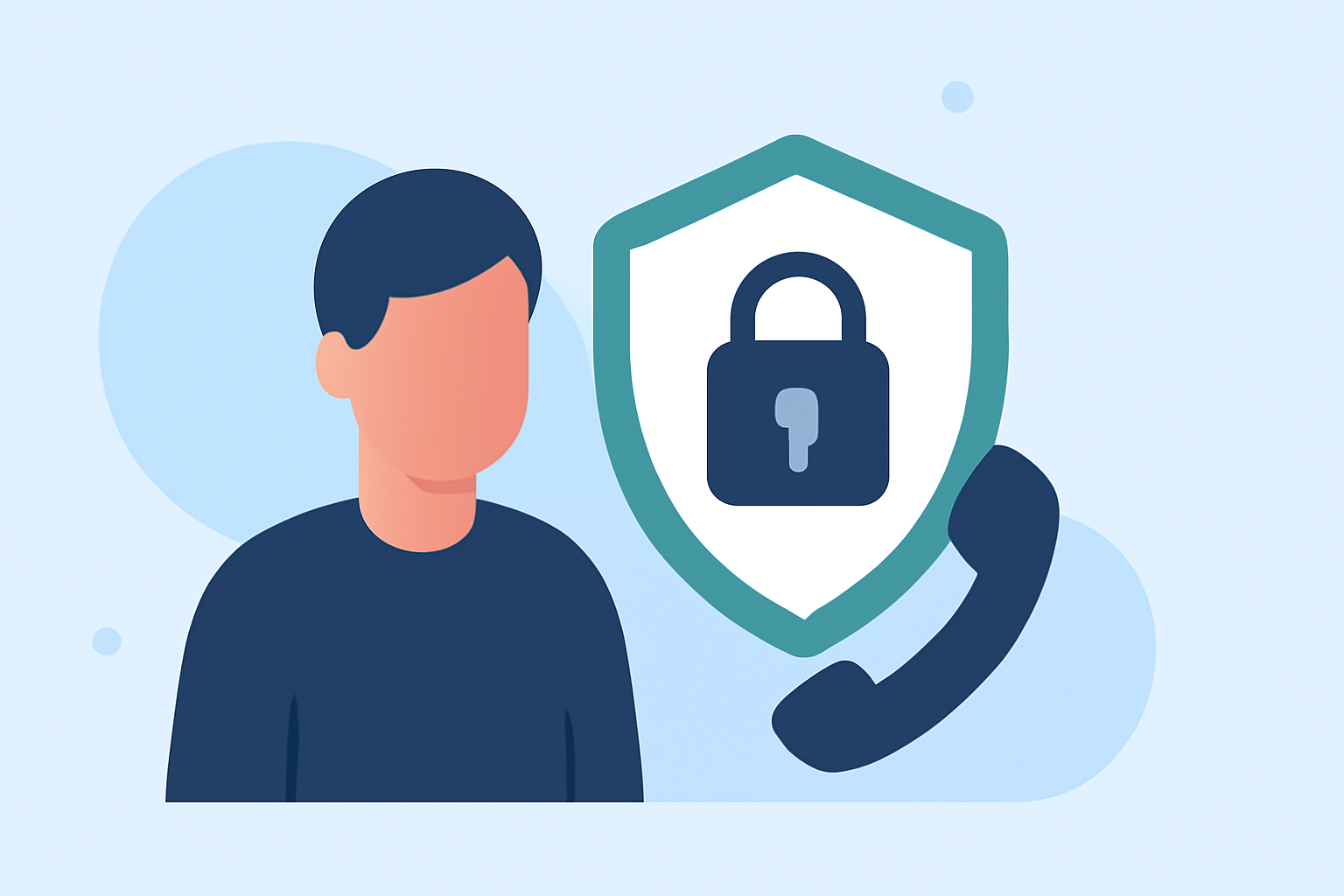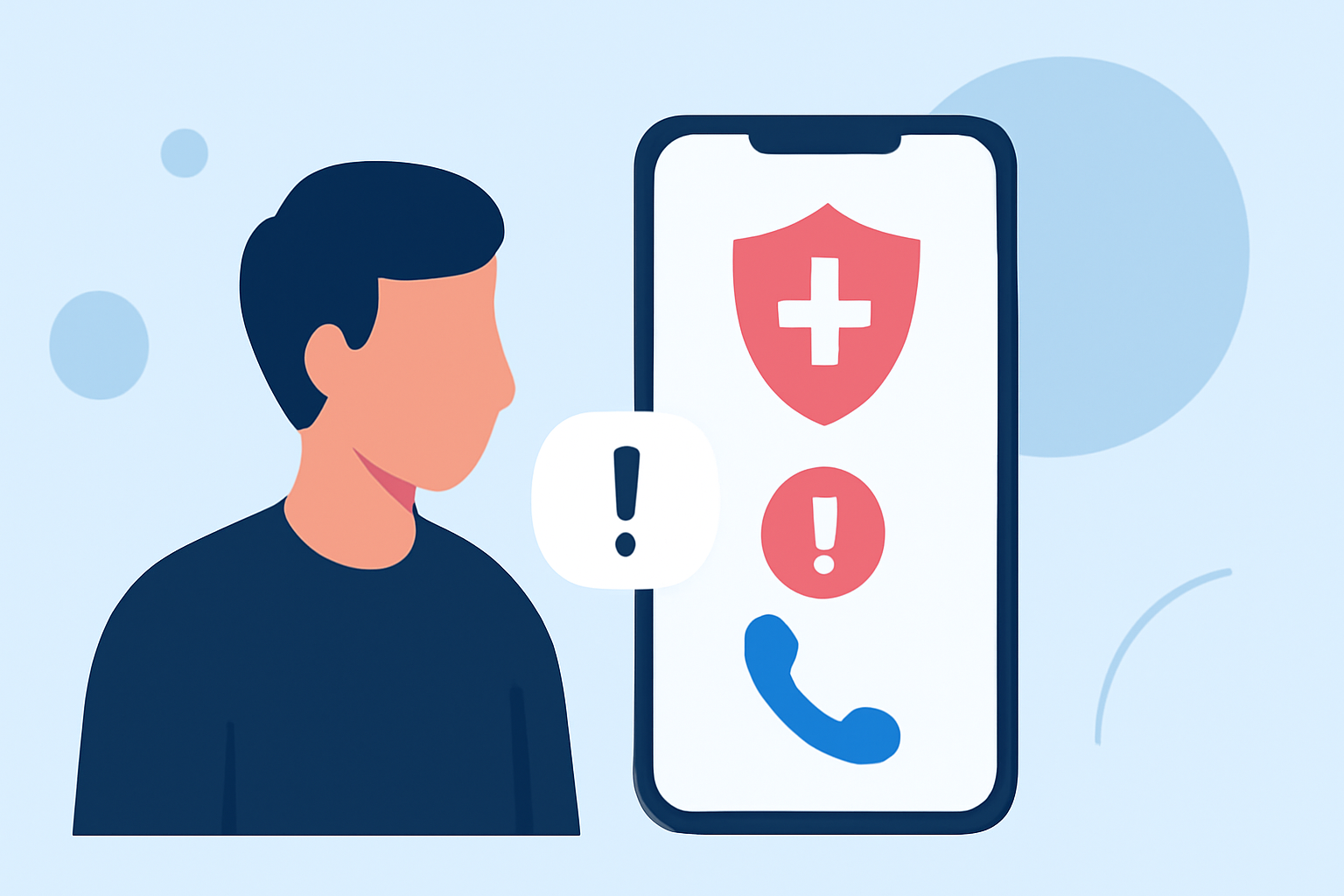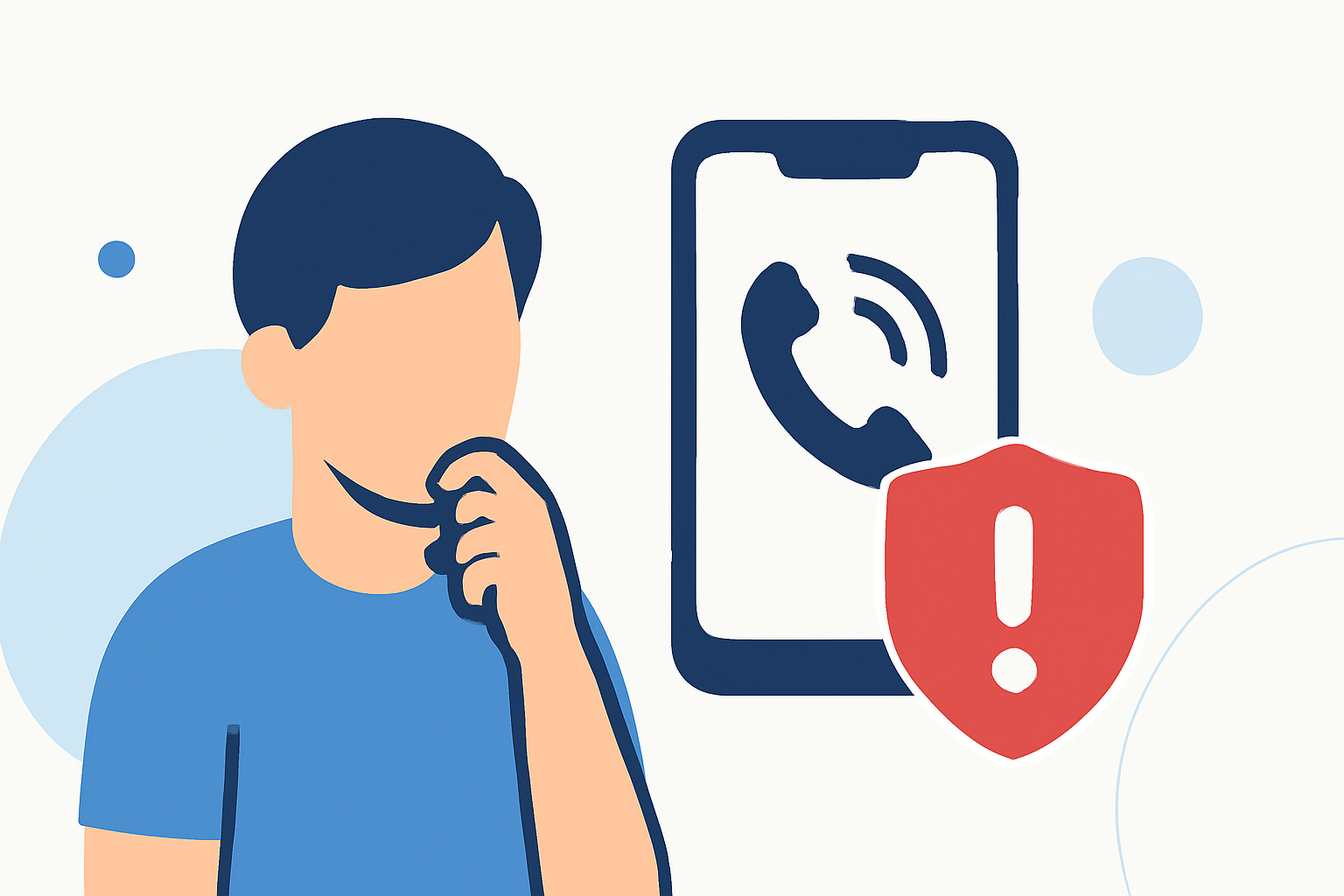
Medicare scam calls are a prevalent form of fraud targeting individuals to steal personal information. Recognizing these scams and implementing protective measures are crucial steps in safeguarding your personal and financial data.
What Are Medicare Scam Calls?
Medicare scam calls involve fraudsters impersonating Medicare representatives to obtain sensitive information, such as Medicare numbers, Social Security numbers, and bank account details. They may offer false benefits, threaten to cancel coverage, or request immediate action to pressure individuals into compliance. Understanding these tactics is the first step in protection. (medicalnewstoday.com)
How Can You Identify Medicare Scam Calls?
Scammers often use various tactics to appear legitimate. Common signs include unsolicited calls requesting personal information, offers of free medical supplies or services, threats of benefit cancellation, and pressure to make immediate decisions. It's important to note that Medicare will never call you unexpectedly to ask for personal information. (healthline.com)
What Are the Best Practices to Protect Yourself?
To safeguard against Medicare scam calls:
-
Do Not Share Personal Information: Never provide your Medicare number, Social Security number, or financial details over the phone, especially if you did not initiate the call. (consumer.ftc.gov)
-
Verify Caller Identity: If you receive an unsolicited call claiming to be from Medicare, hang up and call Medicare directly at 1-800-MEDICARE (1-800-633-4227) to verify the caller's authenticity. (healthline.com)
-
Use Call Blocking Technology: Implement call-blocking apps or services to screen and block unwanted calls. These tools can help prevent scam calls from reaching you. (consumer.ftc.gov)
-
Register with the National Do Not Call Registry: Adding your number to the National Do Not Call Registry can reduce unsolicited calls, including scams. (consumer.ftc.gov)
How Does Robokiller Help in Preventing Medicare Scam Calls?
Robokiller is a leading call-blocking app designed to intercept and block scam calls, including those impersonating Medicare. By analyzing known scam numbers and patterns, Robokiller effectively prevents these calls from reaching your phone. This proactive approach ensures that you are not disturbed by fraudulent calls, allowing you to focus on important communications. (robokiller.com)
What Should You Do If You Receive a Suspected Scam Call?
If you suspect a call is a scam:
-
Hang Up Immediately: Do not engage with the caller.
-
Report the Call: Inform Medicare at 1-800-MEDICARE and the Federal Trade Commission (FTC) at ReportFraud.ftc.gov. (consumer.ftc.gov)
-
Monitor Your Accounts: Regularly check your financial statements for any unauthorized activity.
How Can You Stay Informed About Medicare Scams?
Staying informed is key to protection:
-
Educate Yourself: Familiarize yourself with common scam tactics and warning signs.
-
Stay Updated: Follow official Medicare communications and trusted news sources for the latest information on scams.
-
Share Information: Discuss potential scams with friends and family to raise awareness.
By implementing these strategies and utilizing tools like Robokiller, you can significantly reduce the risk of falling victim to Medicare scam calls. Remaining vigilant and proactive is essential in protecting your personal and financial information.
Highlights:
- How to protect against Medicare scam calls, Published on Tuesday, July 08
- Medicare Scam Calls: Warning Signs and What to Do, Published on Sunday, September 29
- Medicare scam calls: How to spot & avoid them | Robokiller Blog, Published on Tuesday, December 05