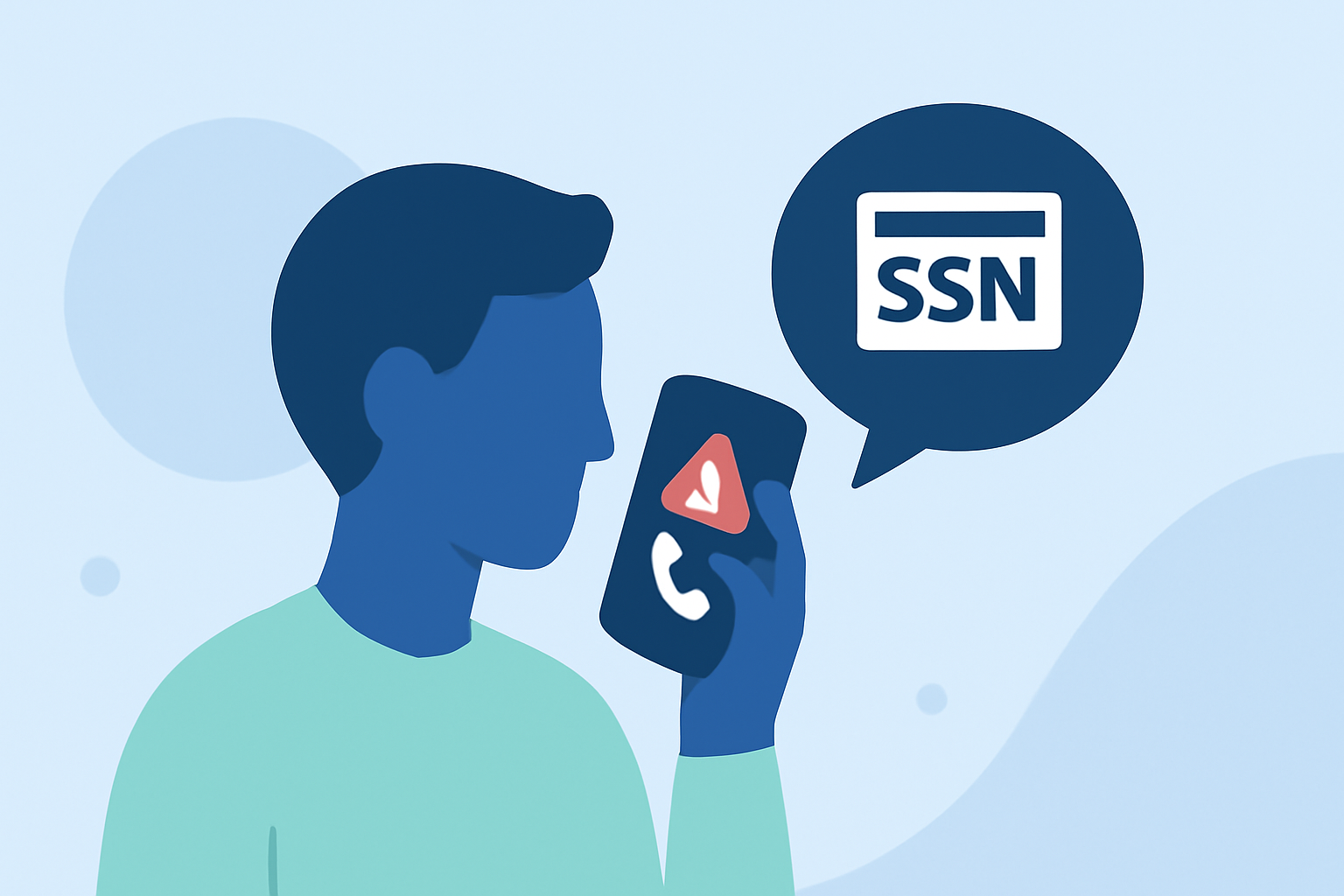
Social Security scam calls are a pervasive threat, with over 55,000 reported incidents between October 2022 and June 2023. (latimes.com) These scams often involve impersonators claiming to be from the Social Security Administration (SSA), attempting to steal personal information or money.
What Are Social Security Scam Calls?
Scammers may contact you via phone, email, text, or social media, posing as SSA representatives. They often claim there are issues with your Social Security number or benefits, threatening legal action or offering benefit increases in exchange for immediate payment. Common tactics include demanding payment through gift cards, wire transfers, or cryptocurrency. (ssa.gov)
How to Recognize a Scam Call
Be vigilant for the following signs:
-
Threats of Arrest or Legal Action: Legitimate SSA communications will never threaten you with arrest or legal consequences. (ssa.gov)
-
Requests for Immediate Payment: Scammers often pressure you to act quickly, demanding payment via unconventional methods. (ssa.gov)
-
Unusual Payment Methods: Be cautious if asked to pay with gift cards, wire transfers, or cryptocurrency. (ssa.gov)
-
Spoofed Caller IDs: Scammers may use caller ID spoofing to display SSA's official number, making the call appear legitimate. (consumerreports.org)
Steps to Protect Yourself
-
Verify the Caller: If you receive a suspicious call, hang up and contact SSA directly using the official number from their website.
-
Do Not Share Personal Information: Never provide personal details or payment information to unsolicited callers.
-
Report Suspicious Activity: Report scam calls to SSA's Office of the Inspector General through their official website. (ssa.gov)
-
Educate Yourself and Others: Stay informed about common scam tactics and share this knowledge with friends and family to prevent them from falling victim.
Robokiller: Your Ally Against Scam Calls
To further protect yourself, consider using call-blocking services like Robokiller. Robokiller identifies and blocks scam calls, including those from SSA impersonators, by analyzing known scam patterns and blocking them in real-time. This proactive approach helps ensure that only legitimate calls reach you, reducing the risk of falling victim to scams.
Conclusion
Social Security scam calls are a serious concern, but by staying informed and taking proactive measures, you can protect yourself and your personal information. Utilizing tools like Robokiller can provide an additional layer of security, ensuring that you only receive calls from trusted sources.
Highlights:
- 11 Places Where You Should Never Give Your Social Security Number, Published on Thursday, January 29
- Why 'Locking' Your Social Security Number Is the New Credit Freeze, Published on Thursday, February 12
- Welcome to the Golden Age of Scams, Published on Wednesday, September 18