Social Security scam calls are a prevalent threat, with fraudsters impersonating government officials to steal personal information and money. Recognizing these scams and taking proactive measures can safeguard your personal and financial well-being.
What Are Social Security Scam Calls?
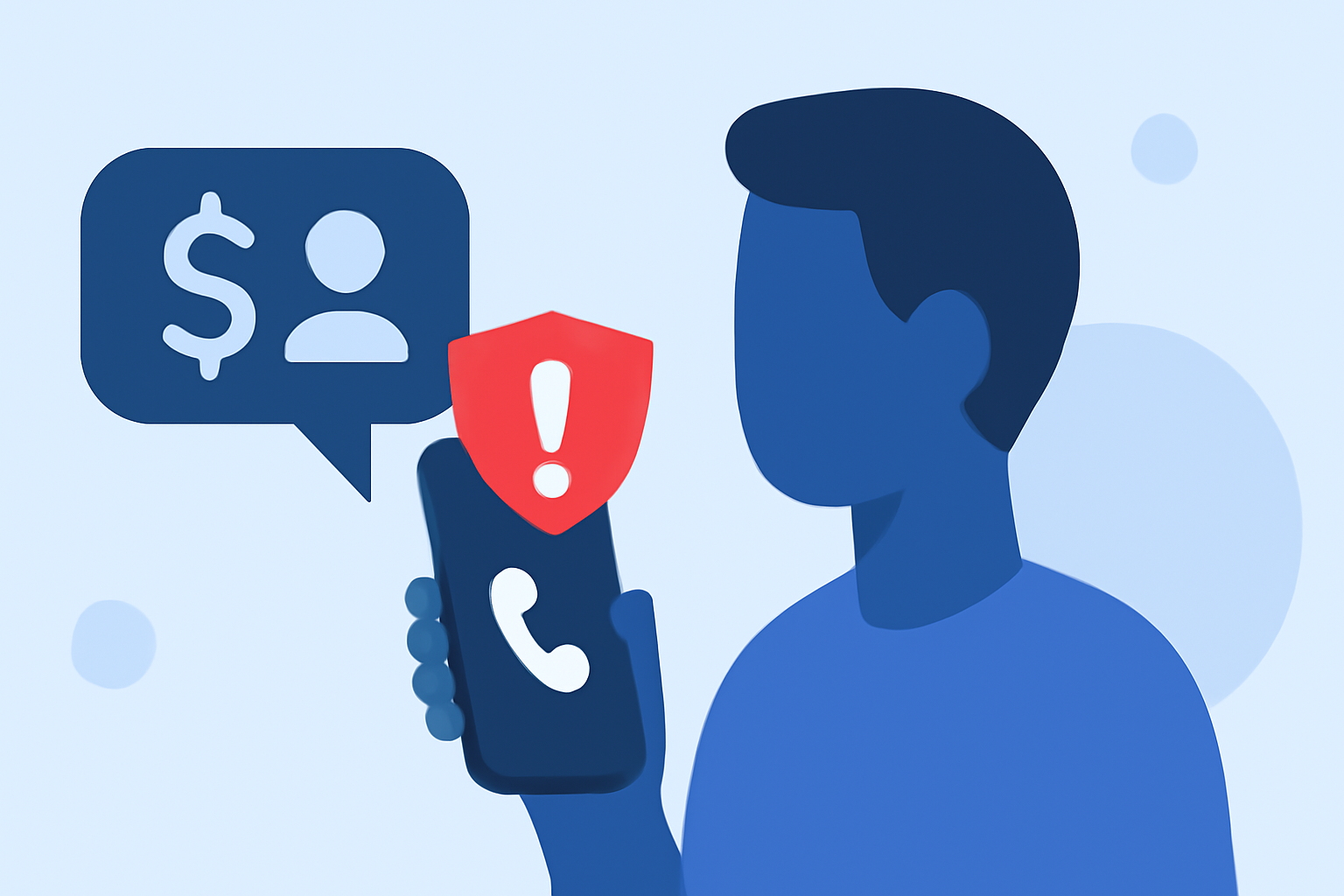
Scammers pose as Social Security Administration (SSA) representatives, claiming issues with your Social Security number or benefits to elicit personal information or payments. These calls may threaten arrest, demand immediate payment, or offer false promises to increase benefits. The SSA will never contact you in such a manner. (ssa.gov)
How to Recognize a Social Security Scam Call
Be vigilant for the following red flags:
-
Threats of Legal Action: Scammers may threaten arrest or legal consequences if you don't comply immediately. (consumerfinance.gov)
-
Requests for Immediate Payment: Legitimate SSA communications will not demand immediate payment via gift cards, wire transfers, or cryptocurrency. (ssa.gov)
-
Unusual Caller IDs: Scammers often spoof SSA's official number to appear legitimate. (consumerreports.org)
-
Unsolicited Contact: The SSA typically communicates through official mail, not unsolicited calls, emails, or texts. (ssa.gov)
Steps to Protect Yourself
-
Verify the Caller: If you receive a suspicious call, hang up and contact the SSA directly at 800-772-1213 to confirm any claims. (consumerreports.org)
-
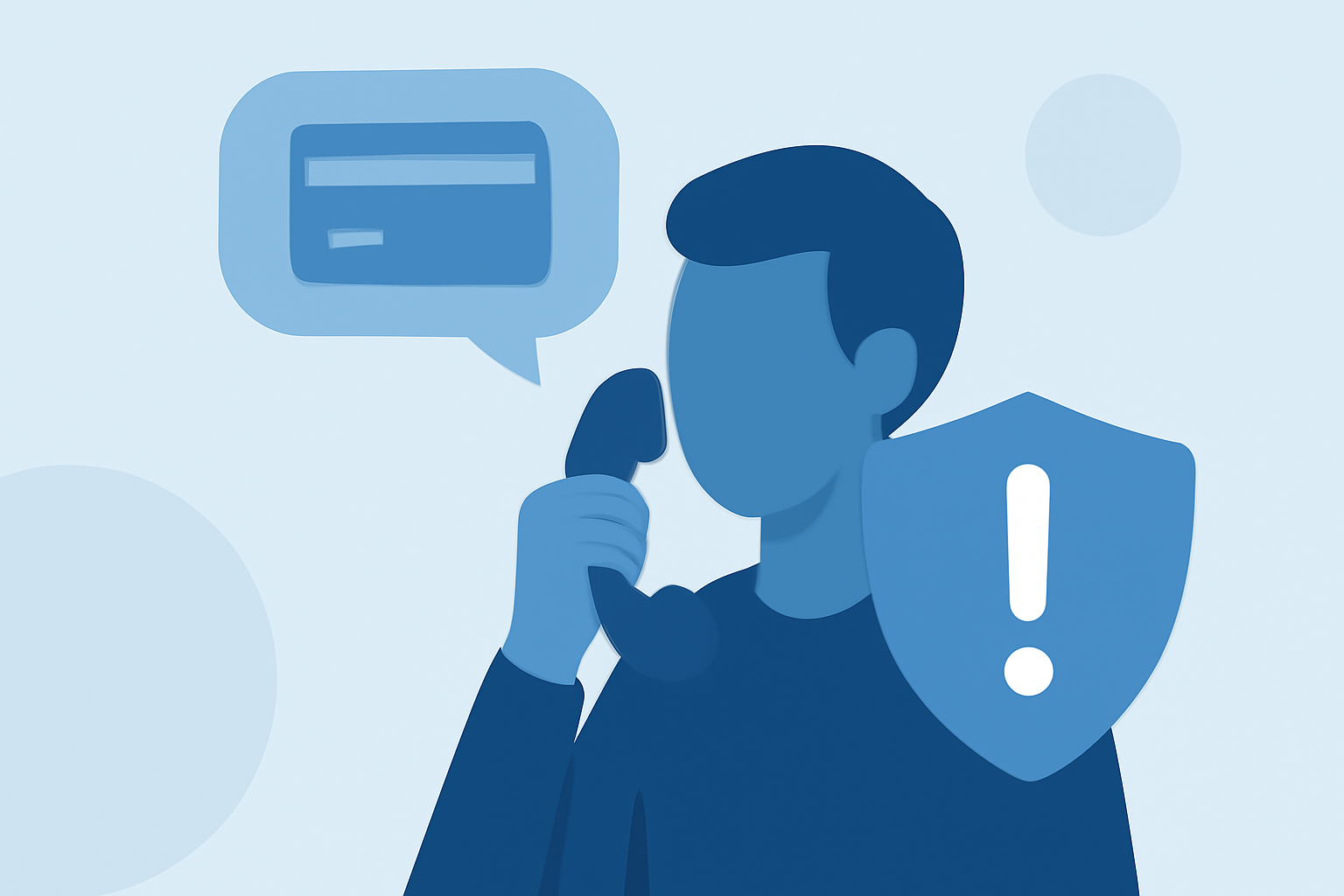
Do Not Share Personal Information: Never provide your Social Security number, bank account details, or other sensitive information over the phone. (ssa.gov)
-
Report Suspicious Activity: Report scam calls to the SSA's Office of the Inspector General at oig.ssa.gov/report. (ssa.gov)
-
Educate Others: Share information about these scams with friends and family to help protect them. (ssa.gov)
Utilizing Technology for Added Protection
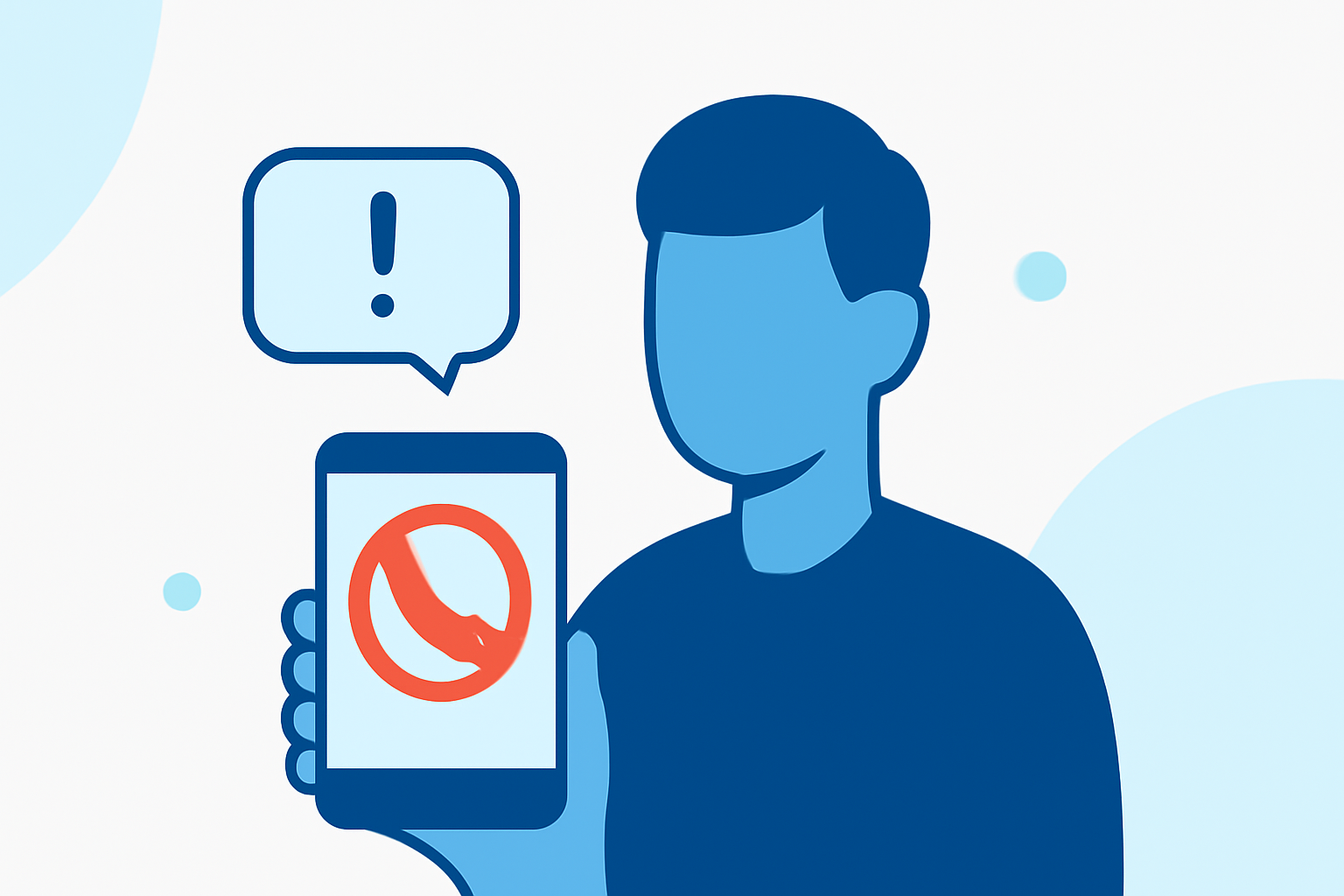
Consider using call-blocking apps or services that can identify and block potential scam calls. Some services offer features like spam call protection, alerting you to potential scam calls before you answer. (techradar.com)
What to Do if You've Been Scammed
If you suspect you've fallen victim to a scam:
-
Contact the SSA Immediately: Report the incident to the SSA to protect your benefits. (ssa.gov)
-
Monitor Your Financial Accounts: Keep a close eye on bank statements and credit reports for unauthorized activity.
-
Seek Support: Reach out to trusted individuals or organizations for assistance in recovering from the scam.
Conclusion
Social Security scam calls are a serious threat, but by staying informed and vigilant, you can protect yourself and your personal information. Always verify unsolicited communications and report suspicious activity to the appropriate authorities.
Highlights:
- Say goodbye to spam calls - NordVPN launches new spam call protection, Published on Tuesday, July 29