Tech support scam calls are a prevalent threat, with the Federal Trade Commission (FTC) reporting significant losses due to such scams. (consumer.ftc.gov) These scams often involve fraudulent callers posing as legitimate tech support agents, aiming to deceive individuals into paying for unnecessary services or gaining unauthorized access to personal information.
What Are Tech Support Scam Calls?
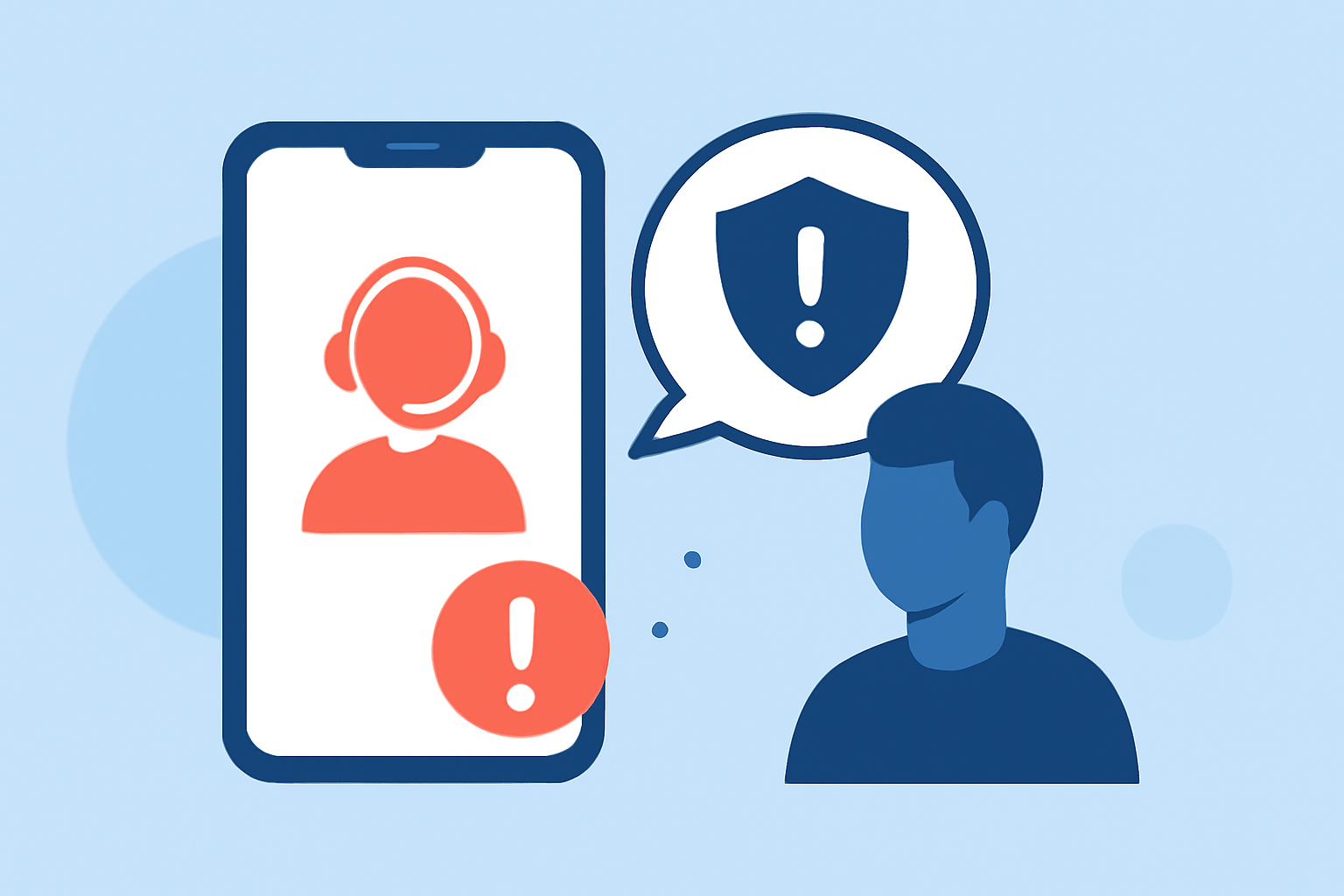
Tech support scam calls typically involve unsolicited calls from individuals claiming to be from reputable companies like Microsoft or Apple. They may inform you of a supposed issue with your computer, such as a virus or malware infection, and offer to fix it for a fee. In reality, these calls are designed to exploit your trust and extract money or sensitive information. (consumer.ftc.gov)
How to Identify Tech Support Scams
Recognizing the signs of a tech support scam is crucial:
-
Unsolicited Calls: Legitimate companies will not contact you unexpectedly to inform you of a problem with your computer. (consumer.ftc.gov)
-
Urgency and Threats: Scammers often create a sense of urgency, claiming immediate action is required to prevent damage or data loss.
-
Remote Access Requests: Be wary of callers asking for remote access to your computer. This can lead to unauthorized access to personal data or the installation of malicious software. (malwarebytes.com)
-
Payment for Unnecessary Services: Requests for payment via unconventional methods, such as gift cards or wire transfers, are red flags.
Effective Strategies to Protect Yourself
Implementing the following measures can significantly reduce the risk of falling victim to tech support scams:
-
Use Call Blocking Features: Modern smartphones offer built-in features to block unknown or suspicious calls. For instance, iPhones have a "Silence Unknown Callers" option that sends calls from unrecognized numbers directly to voicemail. (consumer.ftc.gov)
-
Install Reputable Call-Blocking Apps: Applications like Robokiller can identify and block scam calls, providing an additional layer of protection. (robokiller.com)
-
Keep Software Updated: Regularly updating your operating system and security software ensures you have the latest protections against known threats.
-
Educate Yourself and Others: Stay informed about common scam tactics and share this knowledge with friends and family to help them avoid similar pitfalls.
What to Do if You Receive a Suspected Scam Call
If you suspect a call is a scam:
-
Hang Up Immediately: Do not engage with the caller.
-
Do Not Provide Personal Information: Never share sensitive details over the phone unless you are certain of the recipient's identity.
-
Report the Incident: Notify the FTC or your local consumer protection agency to help authorities track and combat such scams. (consumer.ftc.gov)
Conclusion
Tech support scam calls are a serious concern, but by staying vigilant and implementing protective measures, you can safeguard yourself against these deceptive practices. Utilizing tools like Robokiller, along with proactive strategies, enhances your defense against such scams.
Highlights:
- Microsoft is finally clamping down on scam attacks with new "scareware" sensor - here's what you need to know, Published on Tuesday, November 04
- Say goodbye to spam calls - NordVPN launches new spam call protection, Published on Tuesday, July 29