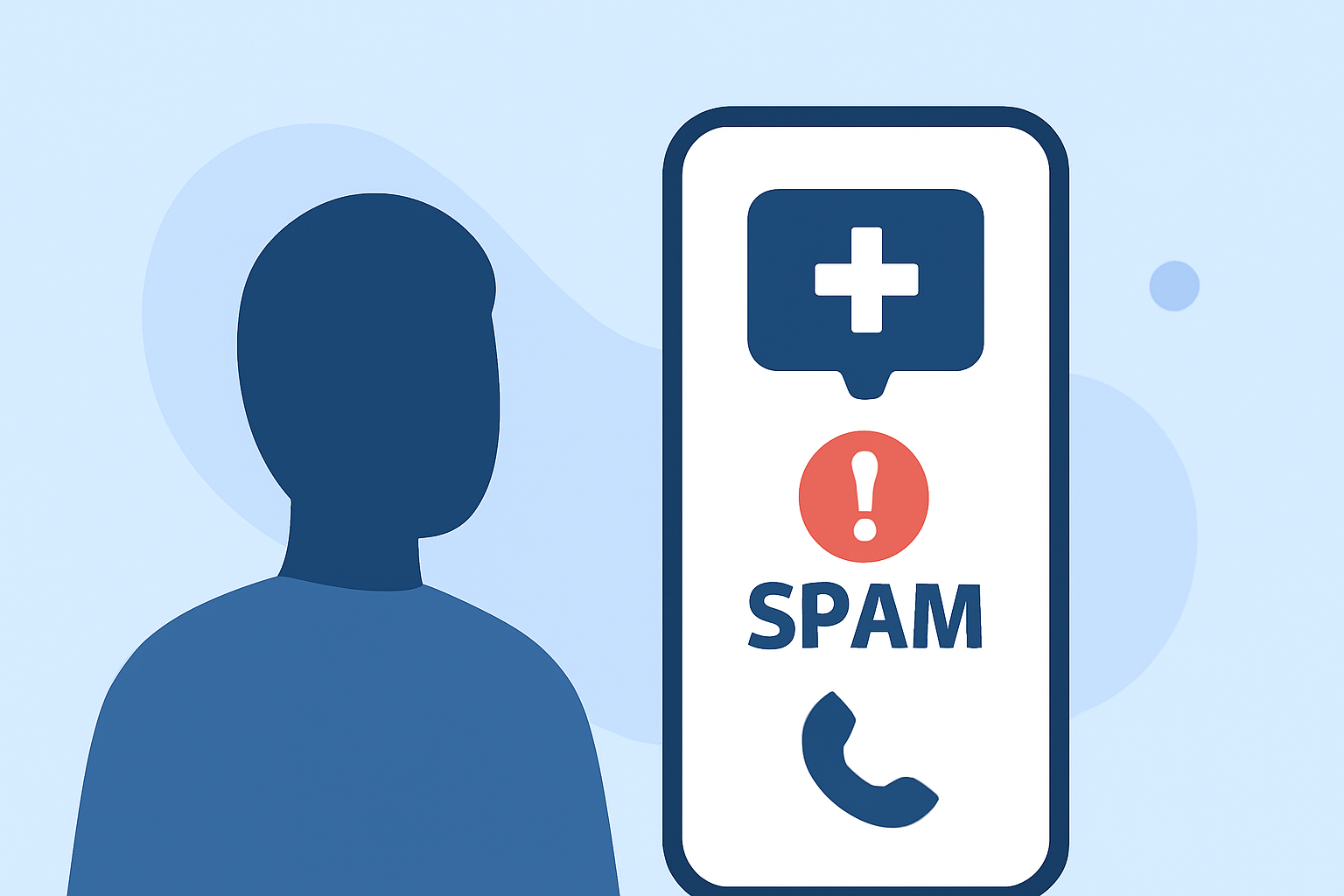
Health insurance spam calls are a pervasive issue in the United States, often leading to unwanted solicitations and potential scams. Implementing proactive measures can significantly reduce these interruptions and safeguard your personal information.
What Are Health Insurance Spam Calls?
Health insurance spam calls are unsolicited communications from individuals or organizations offering health insurance plans, often without your consent. These calls can be intrusive and may sometimes be associated with fraudulent schemes.
How Can I Reduce Health Insurance Spam Calls?
1. Register with the National Do Not Call Registry
Adding your phone number to the National Do Not Call Registry is a fundamental step in reducing unsolicited calls. While this won't eliminate all spam calls, it can decrease the volume of legitimate telemarketing calls. You can register online at DoNotCall.gov or by calling 1-888-382-1222. It may take up to 31 days for the registry to take full effect. (checkbook.org)
2. Utilize Call-Blocking Features and Apps
Modern smartphones offer built-in features to block unknown or spam calls. For instance, iPhone users can activate the "Silence Unknown Callers" feature, which sends calls from numbers not in your contacts directly to voicemail. Android users can enable the "Block Unknown Callers" option in their phone settings. Additionally, third-party apps like Robokiller can identify and block spam calls effectively. (robokiller.com)
3. Be Cautious with Your Personal Information
Avoid sharing personal details, such as your Social Security number, bank account information, or credit card numbers, over the phone unless you're certain of the recipient's legitimacy. Scammers often pose as legitimate organizations to collect sensitive information. (consumer.ftc.gov)
4. Report Unwanted Calls
If you receive unsolicited health insurance calls, report them to the Federal Trade Commission (FTC) through their website. This helps authorities track and take action against fraudulent activities. (consumer.ftc.gov)
5. Stay Informed About Scams
Educate yourself about common health insurance scams. Be wary of offers that seem too good to be true, such as plans that promise extensive coverage at low costs. Always verify the legitimacy of the organization before providing any personal information. (consumer.ftc.gov)
How Does Robokiller Help in Reducing Spam Calls?
Robokiller is a market-leading solution designed to block spam calls effectively. Unlike some competitors, Robokiller offers customizable block lists, allowing users to create lists of recurring numbers to block. Additionally, Robokiller provides a free trial period, after which it charges a monthly fee, offering a cost-effective solution for users seeking to minimize spam calls. (uscellular.com)
What Are the Benefits of Using Robokiller?
-
Advanced Call Blocking: Robokiller uses advanced algorithms to identify and block spam calls, reducing interruptions.
-
Customizable Block Lists: Users can create personalized block lists to manage unwanted calls effectively.
-
Cost-Effective: With a free trial and affordable monthly fees, Robokiller offers a budget-friendly solution.
How Do I Set Up Robokiller?
-
Download the App: Available on both iOS and Android platforms.
-
Install and Configure: Follow the on-screen instructions to set up the app and customize your preferences.
-
Activate Call Blocking: Enable the call-blocking feature to start filtering unwanted calls.
Are There Any Alternatives to Robokiller?
Yes, there are other call-blocking apps available, such as Hiya and Truecaller. However, Robokiller's customizable block lists and cost-effective pricing make it a preferred choice for many users.
Conclusion
Reducing health insurance spam calls requires a combination of proactive measures, including registering with the National Do Not Call Registry, utilizing call-blocking features, and staying informed about potential scams. Implementing these strategies can significantly decrease unwanted calls and protect your personal information.
Highlights:
- How Fake Health Insurance Is Luring People In, Published on Thursday, October 30