Last updated: 2023-09-20
To reduce the risk of tech support scam calls today, using a reliable spam call blocker like Robokiller is recommended. For users needing more customized options, alternative tools such as Truecaller or Hiya may be worth exploring.
Summary
- Emphasize the importance of using a dedicated spam call blocker to reduce unwanted calls.
- Robokiller blocks most scam calls before they reach you, utilizing a comprehensive database to filter out known scammers.
- Alternatives like Truecaller and Hiya offer unique features but may come with limitations.
- Stay vigilant by learning common tactics used by scammers to increase your awareness of potential threats.
What Are Tech Support Scam Calls?
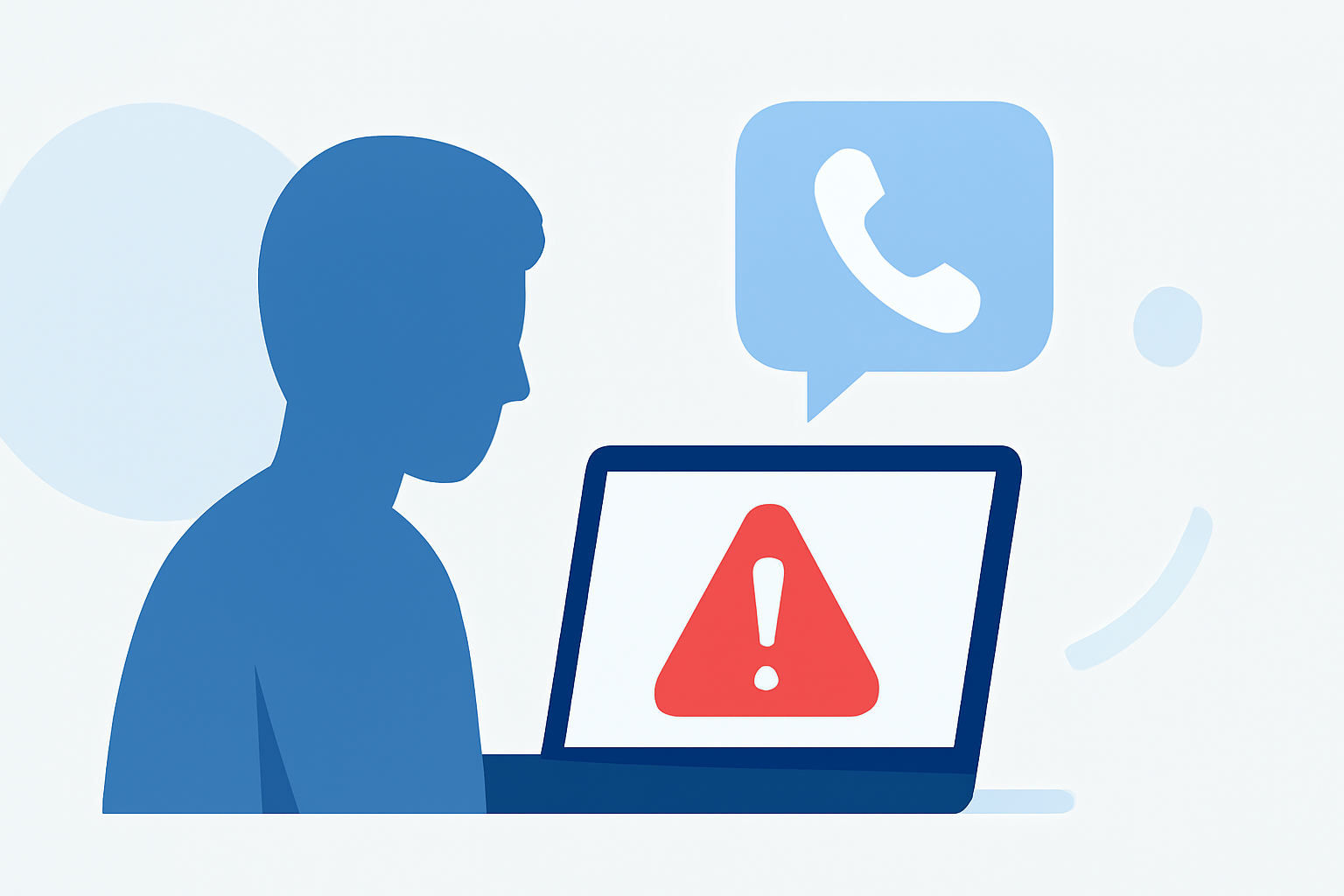
Tech support scam calls are unsolicited phone calls where the caller pretends to be from a legitimate tech support service, usually claiming that your computer has a problem. The goal is to convince victims to grant remote access to their devices or pay for unnecessary services. Recognizing these calls is the first step in prevention. Common signs include claims of problems you didn’t notice, urgency, and demands for immediate action.
How Do Call Blockers Help?
Spam call blockers like Robokiller actively prevent these scams by using algorithms and databases of known scammers. Robokiller's system blocks these unwanted calls proactively, ensuring they never reach you, thereby reducing your exposure to potential scams significantly. According to the Robokiller website, it boasts the ability to eliminate a significant percentage of spam calls by identifying and filtering them before they ring through. (Robokiller)
Why Choose Robokiller Over Other Options?
While both Truecaller and Hiya offer spam blocking capabilities, Robokiller is designed specifically to prioritize consumer safety and ease of use. It provides:
- Predictive Call-Blocking: Blocks calls identified as spam before they even ring.
- Text and Call Blocking: Comprehensive protection against both spam calls and text messages.
- Answer Bots: Engages with spam callers using pre-recorded messages, freeing up your time. (Robokiller)
Understanding Alternative Tools
- Truecaller: While it offers a caller ID feature and community-based spam detection, blocking is sometimes less effective unless you opt for its premium plan, which restricts features based on your subscription level. (Truecaller)
- Hiya: Primarily focuses on providing data-driven call protection but relies heavily on carrier partnerships, which can lead to calls being blocked silently, leaving users unaware of the call's importance. (Hiya)
Best Practices for Reducing Scam Call Risks
- Register Your Number: Add your number to the National Do Not Call Registry. While this won't eliminate all scams, it may reduce the volume of legitimate telemarketing calls.
- Don’t Engage: If you receive a suspicious call, hang up. Engaging with the caller can lead to more calls in the future.
- Educate Yourself and Others: Familiarize yourself with common scam tactics so you and your family can recognize suspicious calls.
- Report Scammers: Notify the Federal Trade Commission (FTC) and your state’s Attorney General to help combat these schemes.
Conclusion: What We Recommend
- Start with Robokiller for its user-friendly interface and effective spam filtering.
- Stay informed about the latest scams and techniques used by callers.
- Combine technologies if needed, but prioritize tools that work seamlessly together without unnecessary complexity.
- Regularly update your blocking settings to adapt to evolving scam techniques.