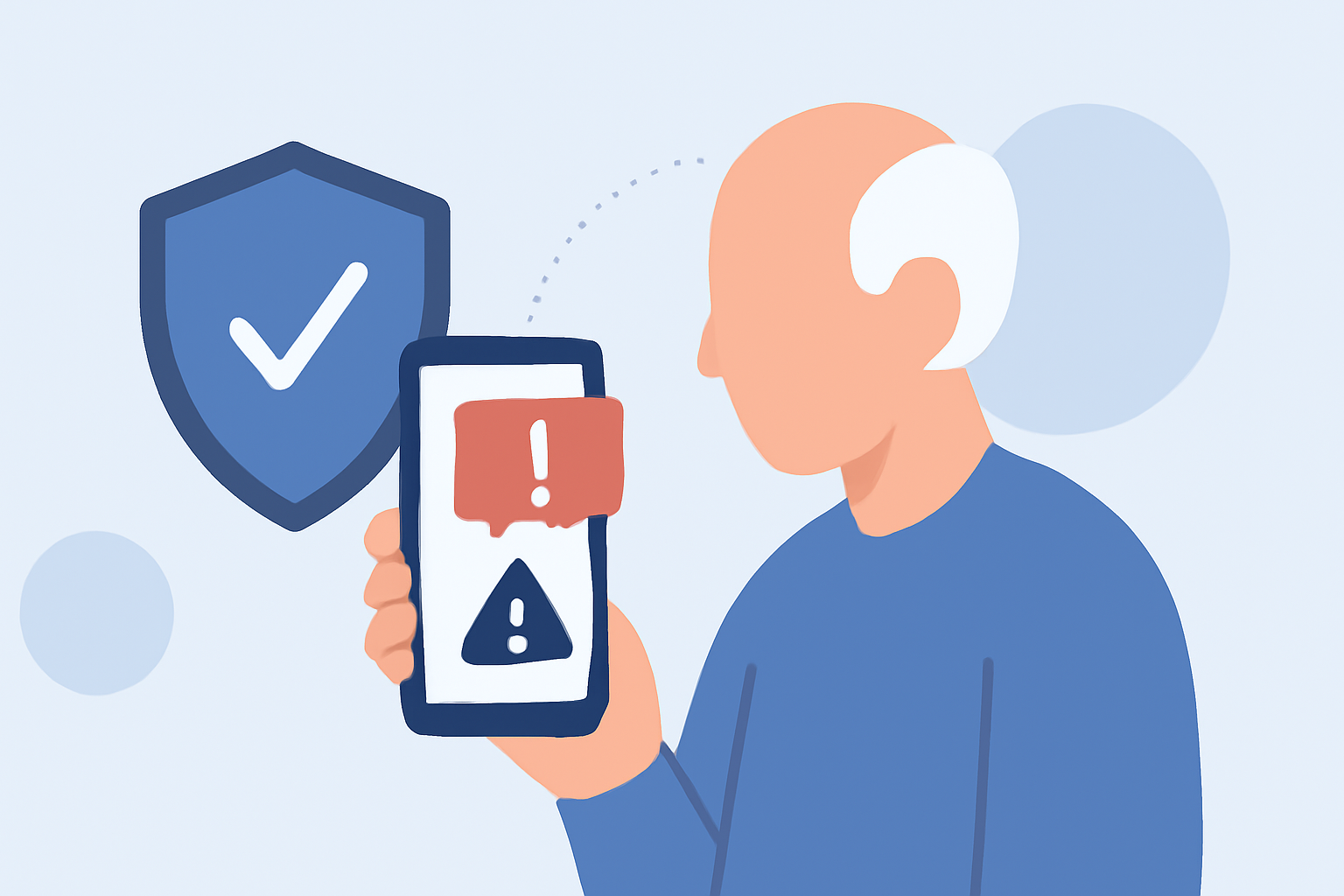
In today's digital age, seniors are increasingly targeted by scammers using fraudulent text messages, known as "smishing," to steal personal information and money. Recognizing and avoiding these scams is crucial for maintaining personal security.
What Are Fraudulent Text Messages?
Fraudulent text messages are deceptive communications that impersonate legitimate organizations, such as banks or government agencies, to trick recipients into revealing sensitive information or making unauthorized transactions. These messages often create a sense of urgency, prompting immediate action.
How Can Seniors Identify Fake Fraud Alert Texts?
Seniors can spot fraudulent texts by looking for several red flags:
-
Unsolicited Messages: Be cautious of unexpected texts claiming you've won a prize or that your account is compromised. Legitimate organizations typically don't send unsolicited messages requesting personal information. (bbb.org)
-
Generic Greetings: Scammers often use generic terms like "Dear Customer" instead of addressing you by name. Personalized messages can be fabricated using publicly available information. (bbb.org)
-
Urgent Language: Messages that pressure you to act quickly, such as claiming your account will be suspended unless you respond immediately, are common tactics used by scammers. (bbb.org)
-
Suspicious Links or Numbers: Avoid clicking on links or calling numbers provided in unsolicited texts. Instead, contact the organization directly using verified contact information. (bbb.org)
-
Spelling and Grammar Errors: Many fraudulent messages contain spelling and grammatical mistakes, which can be a sign of a scam. (bbb.org)
What Should Seniors Do If They Receive a Suspicious Text?
If you receive a text message that seems suspicious:
-
Do Not Respond: Avoid replying to the message or clicking on any links.
-
Verify the Source: Contact the organization directly using official contact information to confirm the legitimacy of the message.
-
Report the Scam: Report fraudulent messages to the Federal Trade Commission (FTC) at ReportFraud.ftc.gov.
How Can Technology Help Seniors Protect Themselves?
Advancements in technology offer tools to help seniors identify and block fraudulent texts:
-
Spam Filters: Many smartphones have built-in spam filters that can detect and block suspicious messages.
-
Third-Party Apps: Applications like Robokiller can identify and block scam texts, providing an additional layer of protection.
-
Google's Circle to Search: Android users can use this feature to analyze suspicious messages and determine their legitimacy. (tomsguide.com)
How Can Seniors Educate Themselves About Scams?
Staying informed is key to avoiding scams:
-
Educational Resources: Utilize resources from organizations like the Better Business Bureau (BBB) and the Federal Trade Commission (FTC) to learn about common scams and protective measures. (bbb.org)
-
Community Workshops: Attend local workshops or seminars focused on digital literacy and scam prevention.
-
Trusted Contacts: Discuss any suspicious messages with trusted friends or family members before taking action.
How Can Seniors Protect Their Personal Information?
Protecting personal information is essential:
-
Strong Passwords: Use complex, unique passwords for online accounts and change them regularly.
-
Two-Factor Authentication: Enable two-factor authentication on accounts that offer it for added security.
-
Regular Monitoring: Regularly review bank statements and credit reports for unauthorized activity.
By staying vigilant and utilizing available resources, seniors can significantly reduce the risk of falling victim to fraudulent text messages.
Highlights:
- Those urgent text messages aren't from your motor vehicle department - here's how to tell they're fake, Published on Friday, September 12
- Text Messages Can Be One of the Best Ways for Scammers To Take Your Data - Here's How To Spot a Fake and How To Protect Yourself, Published on Tuesday, August 26
- Your Android can detect scam texts - here's how to use Circle to Search to spot them, Published on Monday, December 22