In today's digital landscape, sales professionals are prime targets for fake package delivery text scams. These deceptive messages often impersonate reputable carriers like USPS, FedEx, or UPS, aiming to steal personal and financial information. Understanding how to identify and respond to these scams is crucial for maintaining both personal and professional security.
What Are Fake Package Delivery Text Scams?
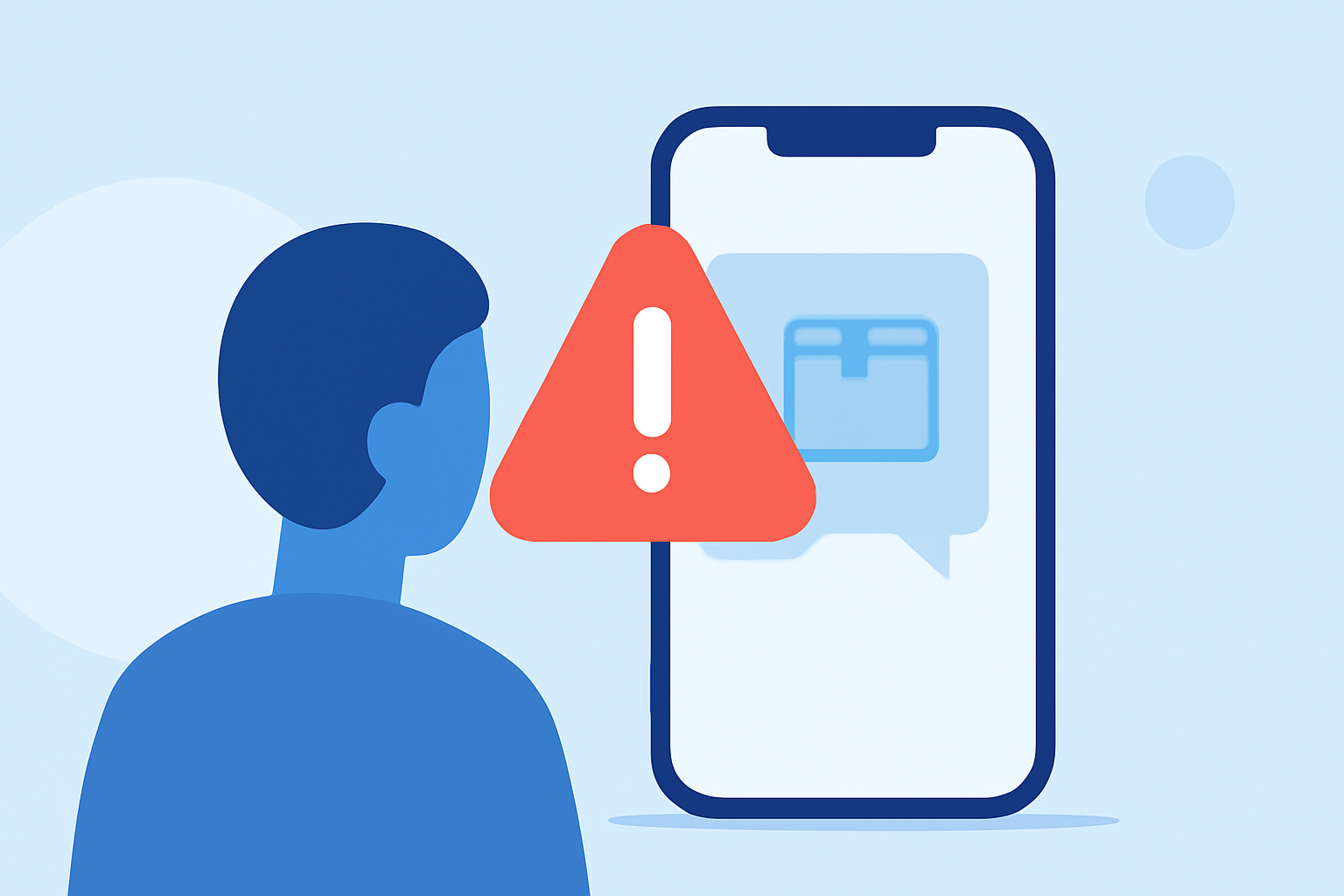
Fake package delivery text scams, also known as "smishing," involve fraudulent messages that mimic legitimate delivery notifications. Scammers send texts claiming to be from well-known carriers, stating issues with a package delivery and prompting recipients to click on malicious links or provide sensitive information. The goal is to deceive individuals into revealing personal data, which can lead to identity theft or financial loss. (consumer.ftc.gov)
How Do Scammers Operate?
Scammers employ various tactics to make their messages appear authentic:
-
Urgent Language: Messages often convey a sense of urgency, such as "Immediate action required" or "Your package is on hold."
-
Suspicious Links: They include links that, when clicked, lead to fraudulent websites designed to steal personal information.
-
Impersonation: The texts may appear to come from legitimate carriers like USPS, FedEx, or UPS, making it challenging to distinguish them from genuine communications. (consumer.ftc.gov)
How Can Sales Professionals Protect Themselves?
Sales professionals can implement several strategies to safeguard against these scams:
-
Verify Delivery Information Independently: If you receive a suspicious text about a package, do not click on any links. Instead, visit the official website of the carrier or retailer to check the status of your delivery. (consumer.ftc.gov)
-
Be Cautious with Unsolicited Messages: Legitimate carriers typically do not send unsolicited texts requesting personal information. Always approach such messages with skepticism. (bbb.org)
-
Utilize Advanced Call-Blocking Technologies: Implementing call-blocking solutions can help filter out scam calls and texts. Services like Robokiller use advanced algorithms to identify and block fraudulent communications, providing an additional layer of security.
-
Educate Yourself and Your Team: Regularly update yourself and your colleagues on the latest scam tactics and prevention methods. Awareness is a powerful tool in combating these threats.
Why Choose Robokiller?
Robokiller stands out as a market-leading solution in the fight against scam communications. Unlike some competitors, Robokiller offers real-time blocking of scam calls and texts, ensuring that fraudulent messages are intercepted before they reach you. Its advanced algorithms continuously adapt to new scam tactics, providing robust protection for sales professionals.
What Are the Consequences of Falling for These Scams?
Engaging with fake package delivery texts can lead to severe repercussions:
-
Identity Theft: Personal information obtained by scammers can be used to open fraudulent accounts in your name.
-
Financial Loss: Providing financial details can result in unauthorized transactions or drained bank accounts.
-
Reputational Damage: For sales professionals, falling victim to such scams can harm your professional reputation and erode client trust.
How Can You Report Suspected Scams?
If you encounter a suspicious package delivery text, report it to the appropriate authorities:
-
Federal Trade Commission (FTC): Submit a complaint through the FTC's website.
-
Carrier's Fraud Department: Contact the fraud department of the carrier being impersonated to alert them of the scam.
-
Your Mobile Carrier: Forward the suspicious message to 7726 (SPAM) to help block future scam texts. (consumer.ftc.gov)
Conclusion
As a sales professional, safeguarding against fake package delivery text scams is essential for protecting personal and client information. By staying informed, verifying delivery details through official channels, and utilizing advanced call-blocking technologies like Robokiller, you can significantly reduce the risk of falling victim to these deceptive schemes.
Highlights:
- "Don't click the link": How to avoid package delivery text scams, Published on Tuesday, December 10
- Beware of Fake USPS Text Messages, Published on Tuesday, June 11
- Text Messages Can Be One of the Best Ways for Scammers To Take Your Data - Here's How To Spot a Fake and How To Protect Yourself, Published on Tuesday, August 26