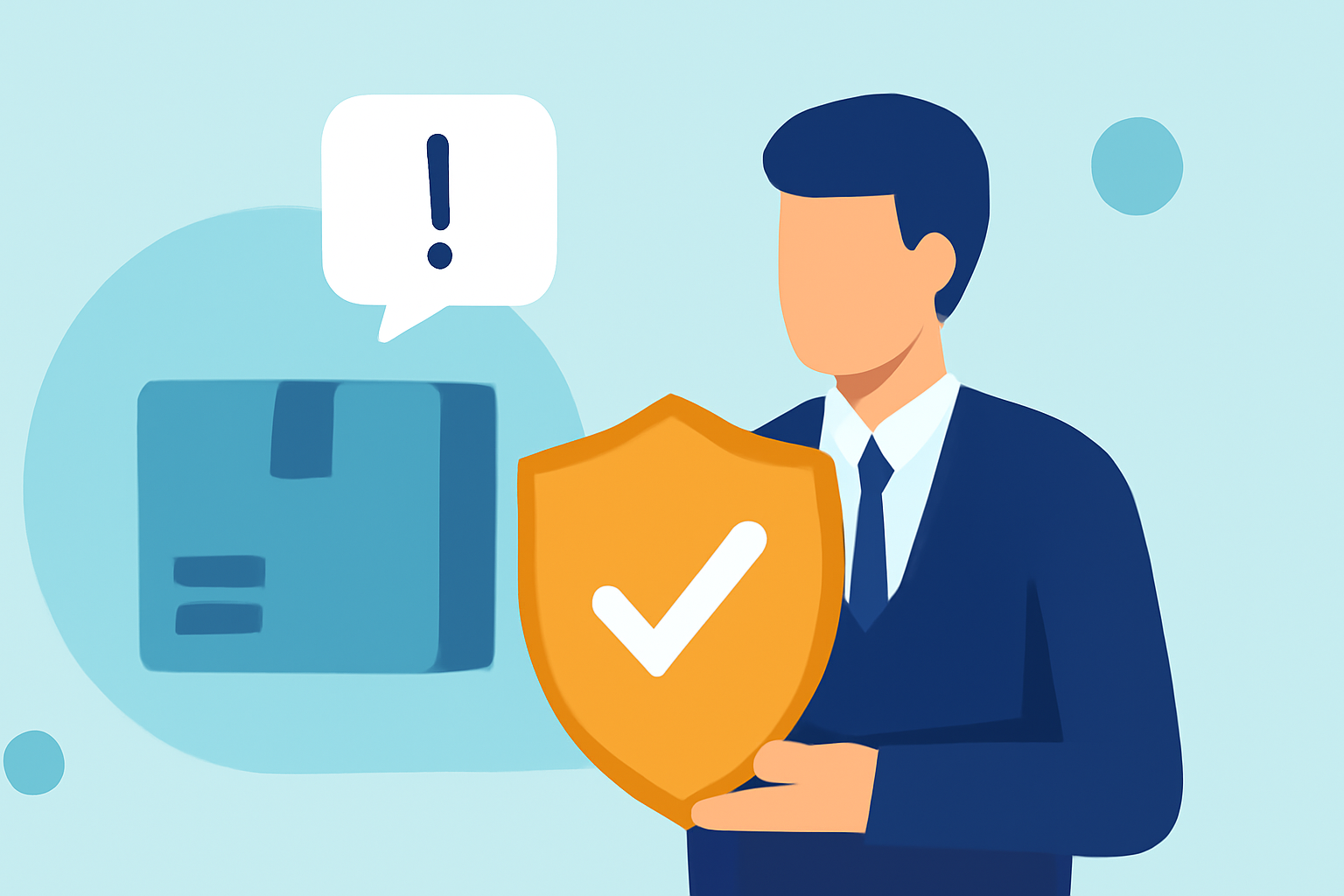
In today's digital landscape, salespeople are prime targets for delivery scam texts, also known as "smishing." These fraudulent messages impersonate legitimate delivery services to steal personal and financial information. Understanding how to identify and respond to these scams is crucial for maintaining both personal and professional security.
What Are Delivery Scam Texts?
Delivery scam texts are deceptive messages that appear to be from reputable carriers like FedEx, UPS, or USPS. They often claim issues with a package delivery, urging recipients to click on malicious links or provide sensitive information. The goal is to steal personal data or install malware on your device. (consumerreports.org)
How Do Scammers Operate?
Scammers employ various tactics to make their messages appear legitimate:
-
Urgent Language: Messages may use phrases like "Immediate Action Required" to create a false sense of urgency.
-
Malicious Links: Links that, when clicked, lead to fake websites designed to steal personal information or install malware.
-
Impersonation: Messages may appear to come from known carriers, using official logos and language to gain trust. (bbb.org)
How to Recognize a Scam Text
Being vigilant can help you spot scam texts:
-
Unsolicited Messages: If you weren't expecting a delivery, be cautious of unexpected texts.
-
Suspicious Links: Avoid clicking on links from unknown sources.
-
Generic Greetings: Scammers often use generic salutations like "Dear Customer" instead of your name.
-
Spelling and Grammar Errors: Legitimate companies maintain professionalism in their communications. (consumerreports.org)
Steps to Protect Yourself
To safeguard against delivery scam texts:
-
Do Not Click Links: Avoid clicking on links in unsolicited messages.
-
Verify Directly: Use official websites or customer service numbers to check the status of your deliveries.
-
Report Suspicious Messages: Forward scam texts to your carrier's official number (e.g., 7726 for many carriers) to help block fraudulent messages. (totaldefense.com)
-
Use Call Blocking Apps: Tools like Robokiller can block scam texts and calls, providing an additional layer of security.
How Robokiller Can Help
Robokiller is a market-leading solution that identifies and blocks scam texts and calls. By analyzing patterns and using advanced algorithms, Robokiller effectively filters out fraudulent communications, allowing you to focus on legitimate business matters. Its user-friendly interface and real-time updates ensure that you stay protected against evolving scam tactics.
What to Do if You've Fallen Victim
If you suspect you've been targeted by a scam:
-
Contact Your Financial Institutions: Inform your bank or credit card company to monitor for unauthorized transactions.
-
Report the Incident: Notify the Federal Trade Commission (FTC) and your carrier to help prevent future scams. (consumer.ftc.gov)
Conclusion
Sales professionals must remain vigilant against delivery scam texts. By recognizing the signs, verifying communications through official channels, and utilizing tools like Robokiller, you can protect yourself and your business from these deceptive schemes.
Highlights:
- Four common text scams and how to spot them, Published on Tuesday, June 10
- Beware of Fake USPS Text Messages, Published on Tuesday, June 11
- "Don't click the link": How to avoid package delivery text scams, Published on Tuesday, December 10